
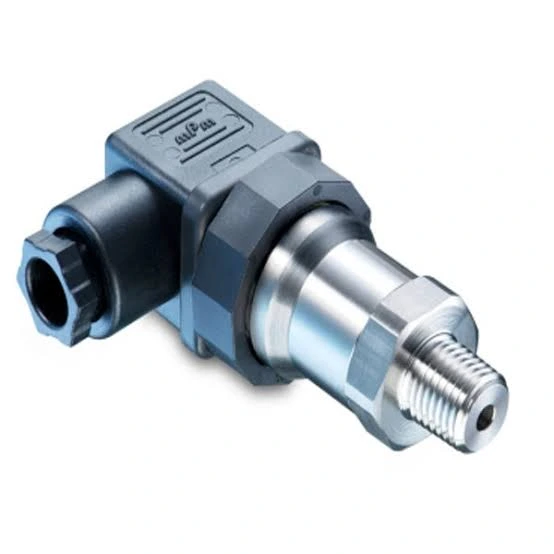
Reliable pressure measurement is a foundational requirement across nearly every branch of industrial engineering, from chemical processing to power generation. Among the instruments engineers and procurement teams turn to most consistently is the WIKA Pressure Transmitter S-20, a rugged, high-accuracy device built for demanding process environments. This article provides a detailed, factual look at the design, specifications, and application scope of the device, helping technical buyers evaluate whether it fits their measurement requirements.
What Is the S-20 Pressure Transmitter?
The S-20 is an industrial-grade pressure transmitter designed for general industrial use as well as more demanding applications involving aggressive media, high vibration, and extreme temperatures. It is constructed with an all-stainless-steel measuring system and housing, giving it the mechanical durability needed for continuous operation in harsh plant conditions. The device converts physical pressure into a standardized electrical output signal, most commonly 4–20 mA, which can be integrated directly into process control systems, SCADA platforms, and PLC-based monitoring networks.
Because of its combination of accuracy, ruggedness, and configurability, the transmitter is widely specified in industries such as oil and gas, water and wastewater treatment, chemical processing, power generation, mobile hydraulics, and general machine building.
Technical Specifications
Procurement managers and design engineers typically require precise specification data before approving a component for a bill of materials. The following is a summary of the key technical characteristics of the device:
- Measuring ranges: From approximately 0…0.4 bar up to 0…1,600 bar (roughly 0…10 psi to 0…20,000 psi), covering vacuum, compound, and positive pressure ranges.
- Accuracy: Standard non-linearity of ≤ ±0.5%, with higher-precision options of ≤ ±0.25% and ≤ ±0.125% of span available depending on the selected configuration.
- Output signals: 4–20 mA two-wire (most common), 0–10 VDC, 1–5 VDC, and other voltage output variants on request.
- Process connections: Standard male NPT threads (1/4″ and 1/2″ NPT), along with other international thread and flange options depending on region and application.
- Electrical connections: Standard DIN plug, mini-DIN connector, or integral cable options, selectable based on installation requirements.
- Media temperature range: Typically -40°C to +100°C (-40°F to +212°F), with extended temperature variants available for specialized applications.
- Overpressure tolerance: Engineered to withstand overpressure up to several times the nominal range, depending on the sensor element selected.
- Housing material: Stainless steel, offering resistance to shock, vibration, and exposure to aggressive process media.
- Approvals: cULus safety approval is available, along with other regional certifications depending on the ordered configuration.
This flexible specification range is one of the defining characteristics of the WIKA Pressure Transmitter S-20 — it can be configured for a very specific application rather than forcing engineers to compromise on a fixed, generic design.
Reliability and Build Quality
Reliability is central to the design philosophy of this transmitter. The stainless-steel measuring cell and housing are tested for resistance to shock and vibration, which is particularly relevant for installations near rotating machinery, compressors, or mobile equipment subject to constant mechanical stress. Temperature compensation is built into the signal processing, which helps maintain measurement stability even as ambient or process temperatures fluctuate throughout a production cycle.
The transmitter is also suited to aggressive media environments, including exposure to corrosive chemicals, where a less robust sensor housing might degrade over time. This durability translates into lower long-term maintenance costs and fewer unplanned instrument replacements — both of which matter to procurement teams evaluating total cost of ownership rather than upfront price alone.
Precision and Measurement Performance
Precision is often the deciding factor when engineers select a pressure transmitter for critical process control loops. With accuracy options reaching ±0.125% of span, the device is capable of supporting applications where tight tolerance is essential, such as calibration laboratories, pharmaceutical processing, and precision hydraulic test benches. For less demanding general industrial applications, the standard ±0.5% accuracy class offers a more cost-effective option without sacrificing dependable performance.
The wide selection of measuring ranges also allows engineers to match the instrument closely to actual expected process pressures, which improves usable resolution and reduces the risk of signal drift near the low or high end of the scale.
Typical Use Cases
The versatility of this transmitter makes it applicable across a broad set of industrial sectors, including:
- Oil and gas: Monitoring wellhead pressure, pipeline pressure, and pressure in aggressive or corrosive process streams.
- Chemical and petrochemical processing: Measuring pressure in reactors, mixing vessels, and transfer lines exposed to hazardous or corrosive substances.
- Water and wastewater treatment: Monitoring pump discharge pressure, filtration systems, and pipeline networks.
- Power generation: Pressure monitoring in boilers, turbines, and auxiliary cooling systems.
- Mobile and industrial hydraulics: Providing accurate feedback for hydraulic systems subject to vibration and rapid pressure cycling.
- Research and development: Supporting test rigs and laboratory setups where configurable ranges and high accuracy are required.
- General machine building: Integrating pressure feedback into automated production equipment and control panels.
Global Applicability
One of the strongest advantages of the WIKA Pressure Transmitter S-20 is its worldwide relevance. The instrument is manufactured to support multiple international process connection standards, a wide range of electrical connector types, and output signals compatible with control systems used across different regions and industries. This means the same base product platform can be configured to meet the requirements of a facility in North America, Europe, the Middle East, or Asia without requiring a fundamentally different product line.
For procurement teams sourcing instrumentation for multi-site or multinational operations, this flexibility simplifies vendor standardization. Rather than qualifying multiple region-specific transmitters, engineering teams can specify the S-20 platform globally and adjust only the configuration parameters — range, output signal, connection type, and accuracy class — to match local requirements. This consistency also supports easier spare-parts management, technician training, and long-term maintenance planning across international facilities.
Selecting the Right Configuration
Because the device is available in numerous configurations, buyers should clearly define their application parameters before ordering, including:
- Expected minimum and maximum operating pressure
- Required accuracy class
- Process connection type and size
- Preferred output signal (current or voltage)
- Electrical connector type
- Media compatibility and expected temperature range
- Any required regional certifications or approvals
Working through this checklist helps ensure the selected variant of the transmitter matches both the technical and regulatory requirements of the installation site.
Conclusion
The WIKA Pressure Transmitter S-20 stands out as a dependable, precisely engineered instrument suited to a wide array of industrial pressure measurement needs. Its combination of rugged stainless-steel construction, configurable accuracy classes, and broad international compatibility make it a practical choice for engineers and procurement managers seeking a single, standardized platform for global operations. Whether the application involves general industrial monitoring or more demanding conditions involving aggressive media and extreme environments, this transmitter offers a well-documented, factually grounded option worth evaluating against project specifications.
Frequently Asked Questions
1. What is the standard accuracy of the WIKA S-20 pressure transmitter?
The standard non-linearity is ≤ ±0.5% of span, with higher-accuracy options of ≤ ±0.25% and ≤ ±0.125% available depending on the configuration ordered.
2. What pressure ranges does the S-20 support?
The device supports continuous measuring ranges from approximately 0…0.4 bar up to 0…1,600 bar (roughly 0…10 psi to 0…20,000 psi), including vacuum and compound ranges.
3. What output signals are available?
The most common output is 4–20 mA (two-wire), with additional options including 0–10 VDC and 1–5 VDC, depending on the model selected.
4. Is the S-20 suitable for harsh or corrosive environments?
Yes. The all-stainless-steel construction is designed for resistance to shock, vibration, and exposure to aggressive process media, making it suitable for demanding industrial conditions.
5. What industries commonly use this transmitter?
It is used across oil and gas, chemical processing, water and wastewater treatment, power generation, mobile hydraulics, machine building, and research and development applications.
6. Can the same product be used across different countries and regions?
Yes. Its configurable process connections, electrical interfaces, and output signal options allow it to be adapted to regional standards, supporting global sourcing and standardization strategies.
7. What certifications are available?
Depending on the configuration, cULus safety approval and other regional certifications may be available. Buyers should confirm specific certification requirements at the time of order.