
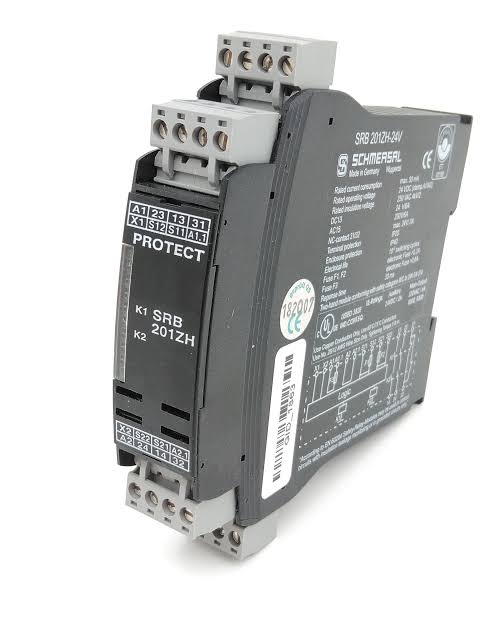
Industrial safety and automation systems depend on components that perform consistently under demanding operating conditions. Schmersal Industrial Automation products are widely specified across manufacturing, processing, and material-handling facilities where machine safety, precision sensing, and system reliability are non-negotiable requirements. This article provides a technical overview of the product range, its specifications, and its relevance to buyers operating in the UAE’s expanding industrial sector.
What Falls Under Schmersal Industries
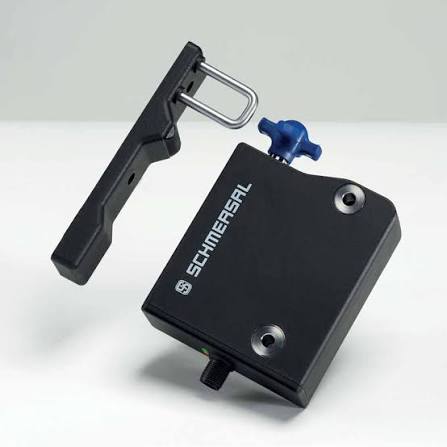
The Schmersal Industries portfolio covers safety switchgear and sensor technology used to protect personnel and equipment on production lines. Core product groups include:
- Safety switches — solenoid interlocks, hinge switches, and position switches for guarding doors, covers, and access points.
- Safety sensors — non-contact magnetic and RFID-coded sensors used where hygiene, vibration resistance, or tamper-proofing is required.
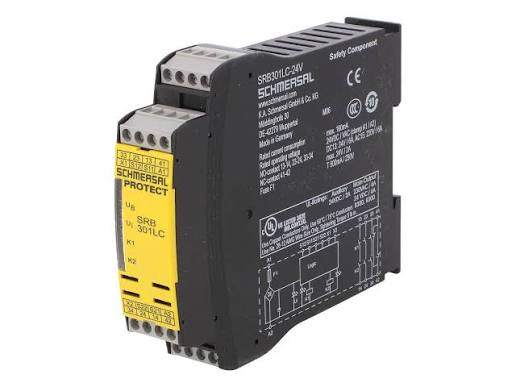
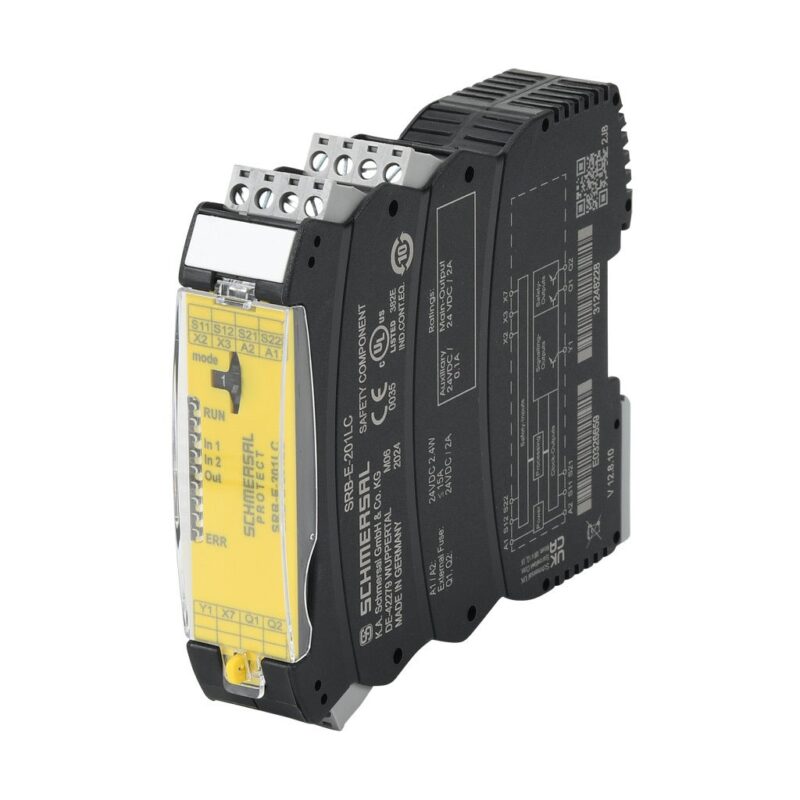
- Safety relays and control modules — used to monitor emergency stop circuits, light curtains, and two-hand control systems.
- Command and signaling devices — enabling switches, e-stop buttons, and status indicators integrated into control panels.
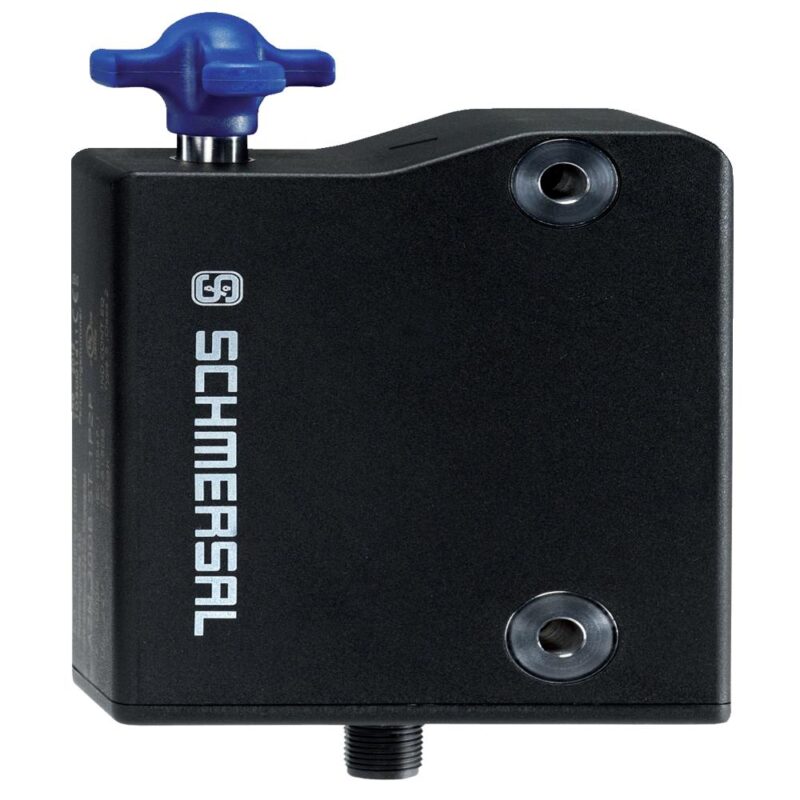
- Access control systems — including guard locking devices with electronic and mechanical locking functions.
Each category is designed to comply with international machine safety standards, allowing integration into new equipment as well as retrofit projects on existing production lines.
Technical Specifications
Buyers evaluating switchgear typically assess several parameters before specifying a component for a given application:
- Protection rating: Most enclosures are rated IP65, IP67, or IP69K, supporting use in washdown areas, food processing environments, and outdoor installations.
- Housing material: Options include thermoplastic and stainless steel, selected based on chemical exposure, temperature range, and mechanical load.
- Switching principle: Mechanical, magnetic, or RFID-coded actuation, depending on the required coding level and resistance to manipulation.
- Safety category: Devices are rated according to EN ISO 13849-1 performance levels (up to PLe) and EN 62061 safety integrity levels (up to SIL 3), depending on model.
- Operating temperature range: Typically -25°C to +80°C, with select models rated for higher thermal loads suited to industrial ovens or outdoor equipment.
- Connection type: M12 connectors, cable glands, or terminal blocks, allowing flexibility during installation and maintenance.
- Locking force: Guard locking variants offer holding forces ranging from approximately 2,000 N to over 10,000 N, depending on the model and application load.
These specifications allow design engineers to match component selection to the specific risk assessment of a machine or process, rather than applying a generic safety solution.
Reliability and Precision
Reliability in this product category is measured by mechanical and electrical durability over repeated operating cycles. Many devices in the Schmersal Industrial Automation range are tested for millions of switching cycles, which is a relevant consideration for high-throughput production environments where switches are actuated continuously throughout a shift.
Precision is equally important, particularly for non-contact sensors used in applications requiring exact position detection. Coded magnetic and RFID sensors reduce the risk of circumvention, which is a key requirement under machine safety directives. Consistent switching points, low hysteresis, and stable performance across temperature fluctuations all contribute to dependable operation in continuous-process industries such as food and beverage, packaging, automotive assembly, and material handling.
Typical Use Cases
Industrial facilities apply these components across a range of scenarios, including:
- Guard door interlocking on CNC machines, packaging lines, and robotic work cells, ensuring the machine cannot operate while a guard is open.
- Conveyor and material handling systems, where position sensors detect pallet or product presence and safety switches halt operation during maintenance access.
- Emergency stop circuits integrated with safety relays to bring machinery to a controlled stop within a defined response time.
- Access control on hazardous process equipment, such as mixers, presses, and extrusion lines, where guard locking prevents access until residual hazards (such as moving parts or high temperatures) have subsided.
- Cleanroom and food-grade environments, where stainless steel or hygienic-design switches withstand washdown cycles and chemical cleaning agents.
UAE Applicability and Industrial Relevance
The UAE’s manufacturing, oil and gas, food processing, and logistics sectors continue to expand under initiatives such as Operation 300bn, the UAE’s national industrial strategy. This growth has increased demand for machine safety components that meet both international standards and the operating conditions typical of the region, including high ambient temperatures, dust exposure, and humidity in coastal areas.
Schmersal Industries components are relevant to UAE-based facilities for several practical reasons:
- Standards compliance: Products are designed to meet EN, ISO, and IEC standards, which align with specification requirements commonly referenced in UAE industrial and free zone projects (including JAFZA, KEZAD, and DIC facilities).
- Environmental durability: IP-rated and stainless-steel housing options are suited to facilities exposed to heat, sand, and humidity, reducing premature component failure.
- Retrofit compatibility: Many UAE facilities operate imported machinery from Europe and Asia; the modular design of these safety components supports retrofit and replacement projects without extensive redesign.
- Local sourcing through regional distributors: Procurement teams in the UAE benefit from working with regional suppliers who can provide technical documentation, compliance certificates, and after-sales support without long international lead times.
For procurement managers sourcing safety components for UAE-based plants, specifying Schmersal Industrial Automation products allows alignment with both international safety audits and local operating conditions, supporting smoother compliance during facility inspections and insurance assessments.
Selecting the Right Component
When specifying a safety switch or sensor, engineers typically evaluate the following in sequence:
- Risk assessment outcome — determining the required performance level (PLe, PLd, etc.) for the specific hazard.
- Environmental conditions — ambient temperature, exposure to chemicals, dust, or washdown requirements.
- Mechanical constraints — available mounting space, guard type, and actuator alignment tolerances.
- Control system compatibility — connection type and integration with existing PLCs or safety relays.
- Certification requirements — confirming CE marking and relevant IEC/EN test certificates are available for audit purposes.
Following this structured approach helps avoid mismatches between component capability and actual operating demands, which is a common cause of premature failure or non-compliance findings during safety audits.
Conclusion
Schmersal Industrial Automation products provide a well-documented, standards-compliant option for machine guarding, access control, and safety monitoring across a wide range of industrial settings. For UAE-based engineers, technicians, and procurement teams, the combination of international certification, environmental durability, and retrofit flexibility makes this product category a practical consideration when specifying safety systems for both new installations and existing production lines.
Frequently Asked Questions
1. What is the typical safety performance level (PLe) rating for these products?
Depending on the model, devices are rated up to Performance Level e (PLe) under EN ISO 13849-1 and SIL 3 under EN 62061, suitable for high-risk applications requiring the strictest safety integrity.
2. Are these components suitable for outdoor or high-temperature UAE installations?
Many models carry IP67 or IP69K ratings and operate within a -25°C to +80°C range, making them suitable for outdoor equipment and hot industrial environments common in the region.
3. Can these safety switches be retrofitted onto existing machinery?
Yes. Standard mounting patterns and M12 connector options allow many models to be installed on existing guards and control panels without major mechanical redesign.
4. What industries in the UAE commonly use these products?
Food and beverage processing, packaging, automotive assembly, oil and gas support facilities, and logistics/material handling operations are common users of this equipment.
5. Do these products meet international compliance standards required for UAE industrial audits?
Yes. Products are typically CE marked and tested to EN ISO 13849-1, EN 62061, and related IEC standards, which are commonly referenced during UAE facility compliance and insurance audits.