
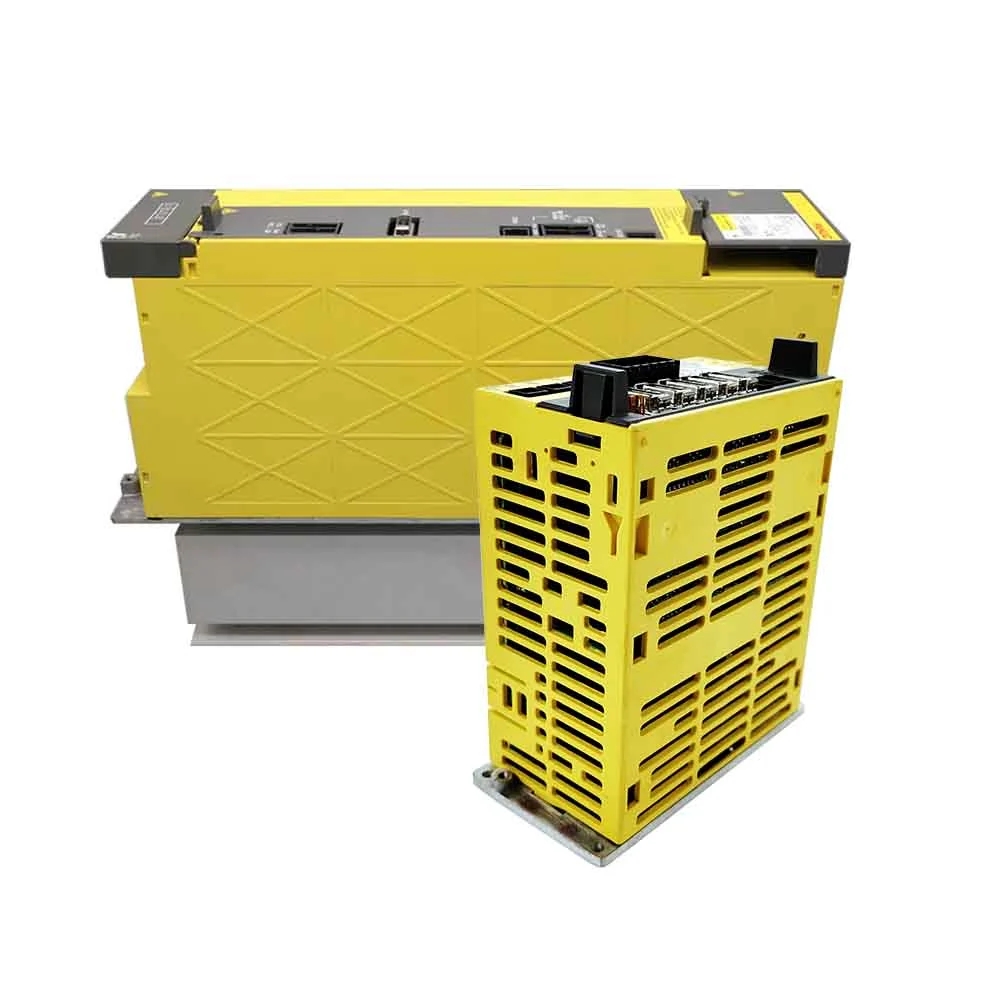
Manufacturing and process facilities across the UAE and the wider GCC rely on continuous machine uptime to meet production targets. When a CNC controller, servo motor, or robotic drive component fails, the cost of downtime often exceeds the cost of the part itself. This is why sourcing genuine, correctly specified FANUC Industrial Automation Parts is a core operational decision for maintenance teams, system integrators, and procurement departments rather than a routine purchasing task. This guide provides a technical overview of these components, their engineering characteristics, and their relevance to industrial operations in the region.
Understanding FANUC
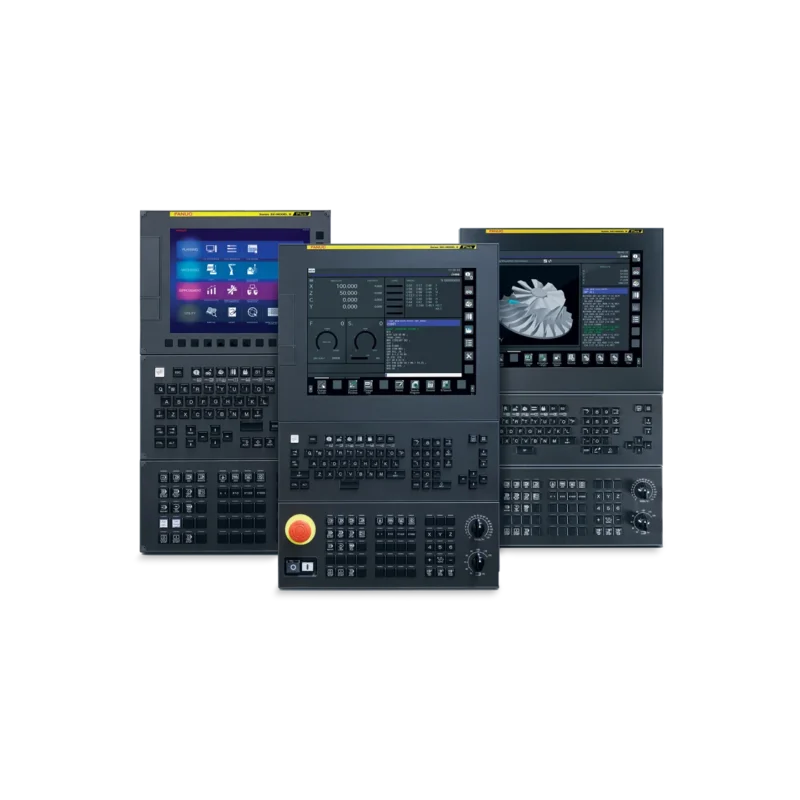
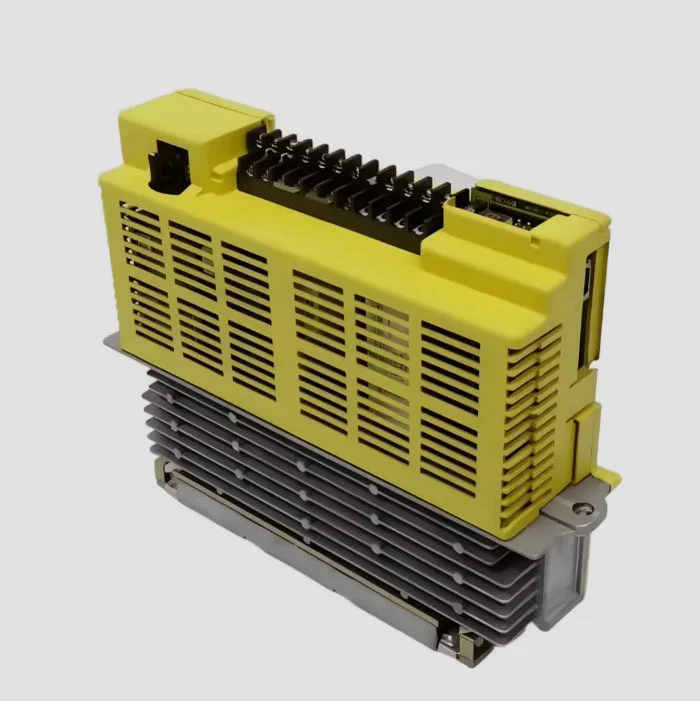
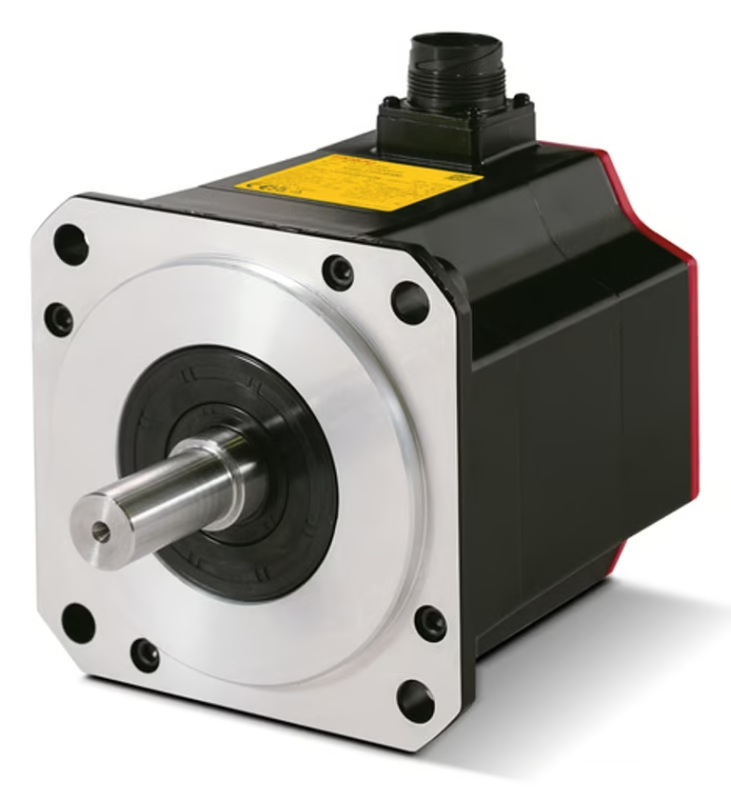
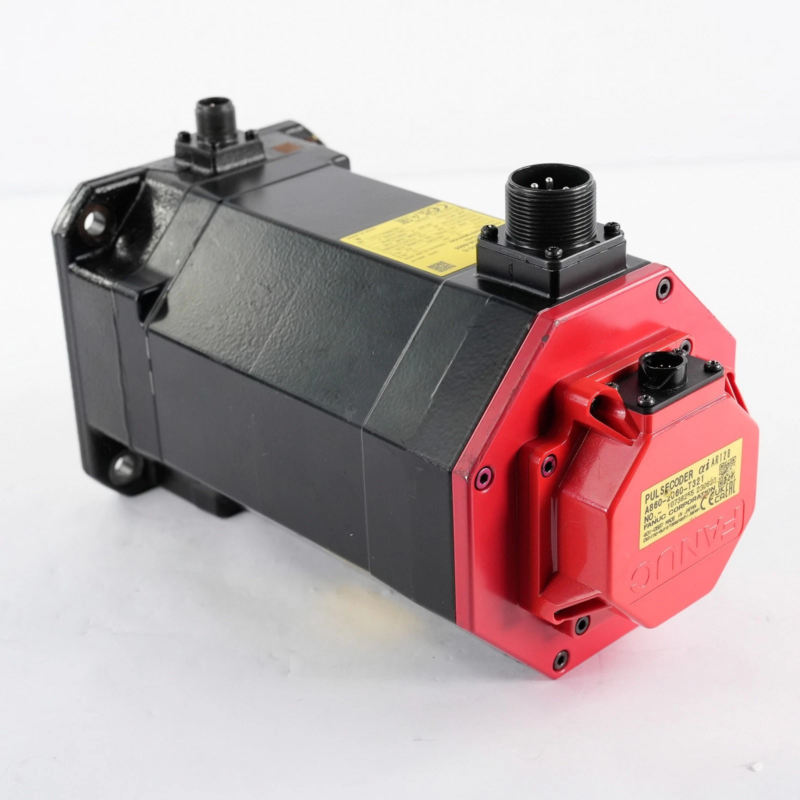
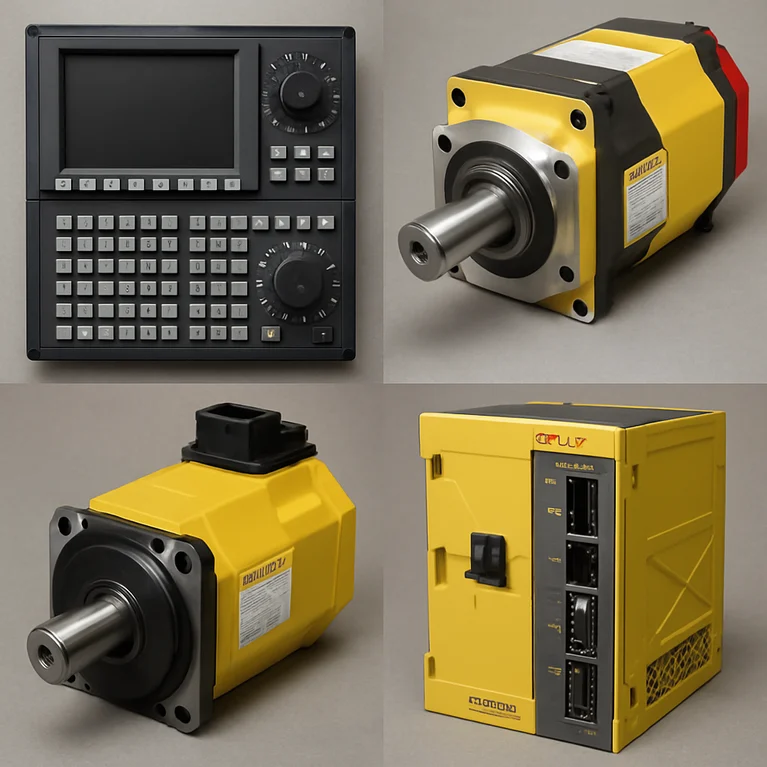
FANUC Corporation is one of the largest global suppliers of factory automation equipment, including CNC systems, industrial robots, servo motors, amplifiers, spindle drives, I/O modules, and motion control boards. The parts category built around these systems covers replacement components, spares, and upgrade modules used to maintain, repair, or expand existing FANUC-based production lines. This includes items such as servo amplifiers (the A06B series), pulse coders, power supply units, printed circuit boards, encoders, cables, connectors, and CNC operator panels. Facilities that operate FANUC-controlled machining centers, welding robots, or material-handling systems depend on an accessible supply chain for these components to avoid extended production stoppages.
Tec hnical Specifications
FANUC automation components are engineered to strict industrial tolerances and are designed for continuous duty in demanding production environments. Typical technical characteristics include:
- Voltage ranges: Servo amplifiers and power supply modules commonly operate within 200V–240V AC input ranges, with some high-power spindle drives rated up to 400V AC for heavy-duty applications.
- Control architecture: Compatible with FANUC’s Series 0i, 30i/31i/32i, and Power Motion i CNC platforms, as well as R-30iB and R-30iB Plus robot controllers.
- Feedback systems: Absolute and incremental pulse coders providing position feedback resolution suitable for high-precision machining, often in the sub-micron range depending on the encoder model.
- Communication protocols: FSSB (FANUC Serial Servo Bus) fiber-optic communication between CNC units and amplifiers, along with support for EtherNet/IP, Profibus, and DeviceNet for integration with plant-wide control networks.
- Operating temperature range: Most modules are rated for 0°C to 55°C ambient operation, with cooling and derating specifications defined for enclosed panel installations — a relevant factor for high-ambient environments such as the UAE.
- Form factors: Rack-mounted amplifier modules, standalone servo drives, and compact I/O units designed for direct panel mounting within existing cabinet layouts.
Because these specifications vary across generations and series, procurement teams should always confirm part numbers, firmware compatibility, and revision levels against the original machine documentation before ordering.
Reliability and Precision
Reliability is the defining characteristic of FANUC-engineered systems, and this extends to their component-level parts. Servo amplifiers and spindle drives are built with rigorous quality control processes, and FANUC’s manufacturing standards are widely referenced across the CNC and robotics industry as a benchmark for consistency. In practical terms, this translates into predictable performance over long duty cycles, minimal drift in positional accuracy, and reduced failure rates when components are installed and maintained correctly.
Precision is equally central to the design philosophy behind these parts. Pulse coders and feedback devices are manufactured to maintain tight positional accuracy, which is essential for applications such as precision machining, multi-axis robotic welding, and automated assembly where repeatability directly affects product quality. For facilities operating tolerance-sensitive processes — aerospace components, automotive tooling, or precision metal fabrication — the accuracy of these replacement parts has a direct bearing on scrap rates and rework costs.
Typical Use Cases
FANUC-based automation components are used across a broad range of industrial applications, including:
- CNC machining centers: Replacement servo amplifiers, spindle motors, and control boards for lathes, mills, and multi-axis machining systems.
- Industrial robotics: Drive units, encoders, and controller boards for robotic arms used in welding, material handling, palletizing, and pick-and-place operations.
- Injection molding and press automation: Servo control components integrated into plastic injection and stamping press systems.
- Packaging and assembly lines: Motion control modules supporting high-speed, repetitive automation tasks.
- Metal fabrication and oil & gas equipment manufacturing: Precision-driven components for cutting, forming, and assembly processes common in the UAE’s industrial base.
These use cases span both OEM machine builders and end-user manufacturing plants that need to sustain existing equipment beyond its original warranty period.
UAE Applicability and Regional Relevance
The UAE’s manufacturing and industrial sector — spanning Dubai Industrial City, Abu Dhabi’s KEZAD zone, and free zones such as JAFZA and RAKEZ — has expanded steadily, with a growing base of CNC machining shops, automotive parts manufacturers, metal fabrication facilities, and process industries. Many of these operations run legacy and current-generation FANUC-controlled equipment, making a dependable local supply of FANUC Industrial Automation Parts essential to minimizing unplanned downtime.
Sourcing challenges in the region often include long lead times from overseas OEM channels, customs clearance delays, and limited access to older or discontinued part numbers. A regionally focused supplier addresses these constraints by maintaining stock availability, providing technical cross-referencing support for part identification, and offering logistics support tailored to UAE and GCC delivery timelines. For procurement managers, this reduces the operational risk associated with single-source or long-lead-time components, particularly for facilities running multi-shift production schedules where even short outages carry significant cost.
Sourcing Considerations for Procurement Teams
When evaluating suppliers of these components, procurement and maintenance teams should verify several factors: authenticity and traceability of the part (avoiding counterfeit or remanufactured units misrepresented as new), compatibility confirmation against the exact machine model and firmware version, warranty terms, and technical support availability for installation and commissioning. Working with a supplier that understands both the technical specifications and the regional logistics environment helps reduce the total cost of ownership associated with automation maintenance.
Frequently Asked Questions
Q: What is the difference between genuine and remanufactured FANUC parts?
Genuine parts are sourced directly from FANUC or its authorized channel and carry full specification compliance. Remanufactured units are refurbished third-party components that may not meet the same tolerance or firmware compatibility standards, so verification is recommended before purchase.
Q: Can these parts be used to retrofit older CNC or robotic systems?
In many cases, yes. Compatibility depends on the CNC series, controller generation, and firmware revision. A technical cross-check against machine documentation is required before ordering a replacement or retrofit component.
Q: How long does delivery typically take within the UAE?
Lead times vary by part availability and stock location. Locally stocked components can often be delivered within days, while special-order items may require longer international shipping timelines.
Q: Do these components require specialized installation?
Servo amplifiers, encoders, and controller boards typically require installation by a qualified automation technician familiar with FANUC wiring standards and parameter configuration to ensure correct commissioning.
Q: Are these parts suitable for both machining and robotics applications?
Yes. FANUC’s shared architecture across its CNC and robotics product lines means many servo, feedback, and control components are used across both machining centers and robotic systems, depending on the specific part series.
Conclusion
For manufacturing facilities across the UAE that depend on FANUC-controlled machining and robotic systems, access to reliable, correctly specified FANUC Industrial Automation Parts is a practical necessity for maintaining production continuity. Understanding the technical specifications, reliability characteristics, and application contexts of these components allows engineers, technicians, and procurement managers to make informed sourcing decisions. A supplier with regional stock availability and technical support further reduces the operational risk associated with equipment downtime, making component sourcing a planned part of maintenance strategy rather than a reactive expense.