
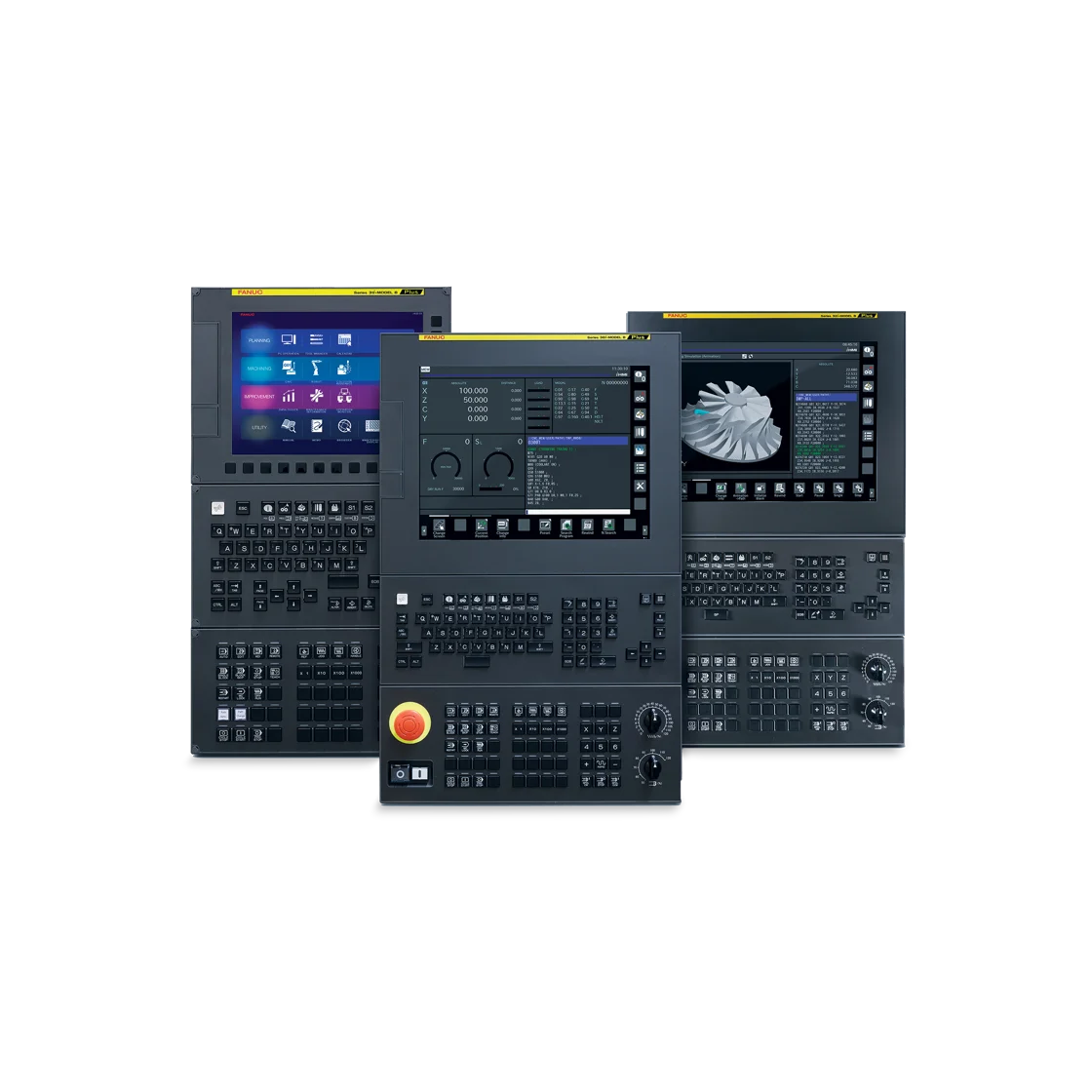
Industrial automation across the UAE’s manufacturing, oil and gas, and heavy engineering sectors relies heavily on FANUC CNC and robotic control systems. When these systems require replacement components, sourcing from a dependable FANUC Controller Parts Supplier becomes essential to minimizing downtime and maintaining production accuracy. This guide provides a factual, technical overview of FANUC controller parts, their specifications, and their applications for engineers, technicians, and procurement managers operating in the region.
Understanding FANUC Controller Parts
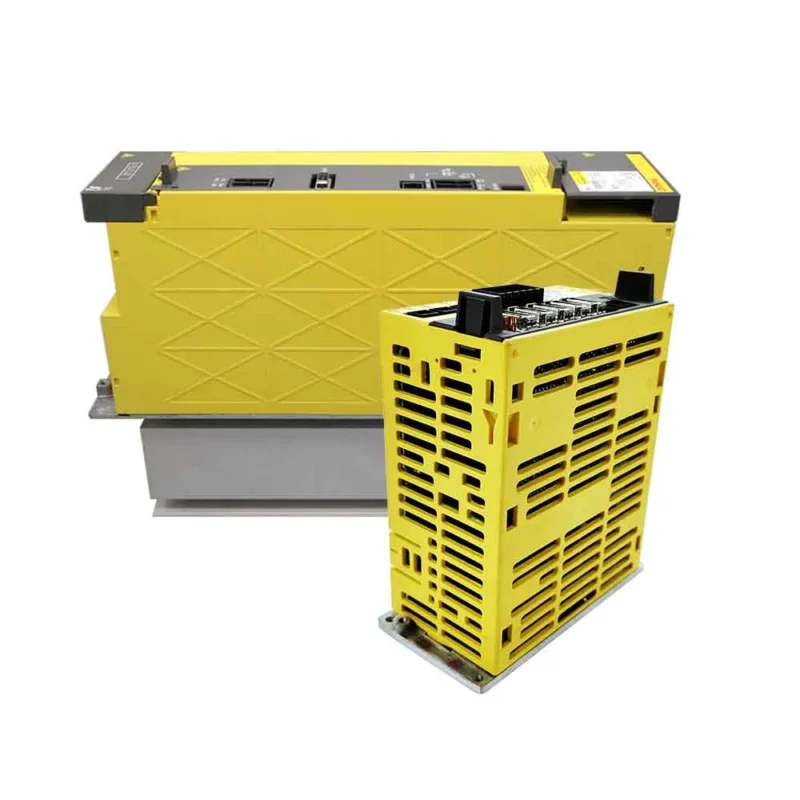
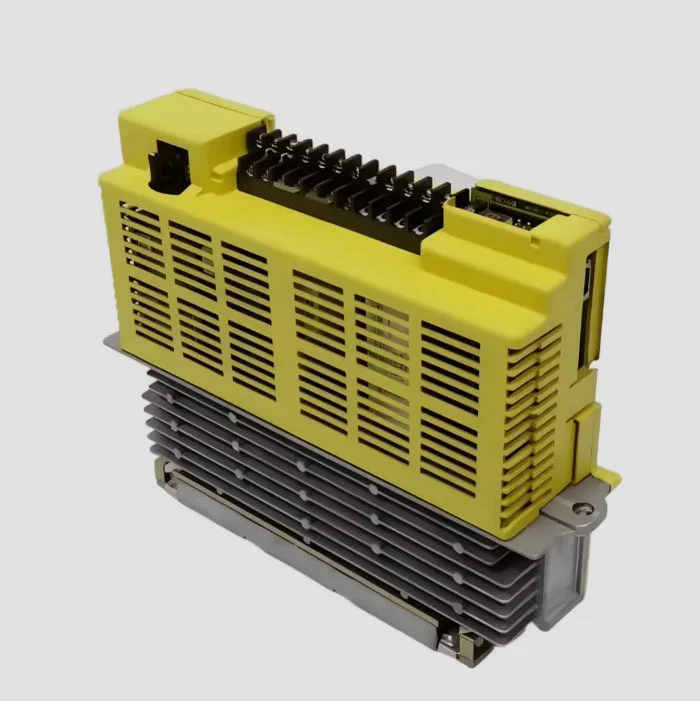
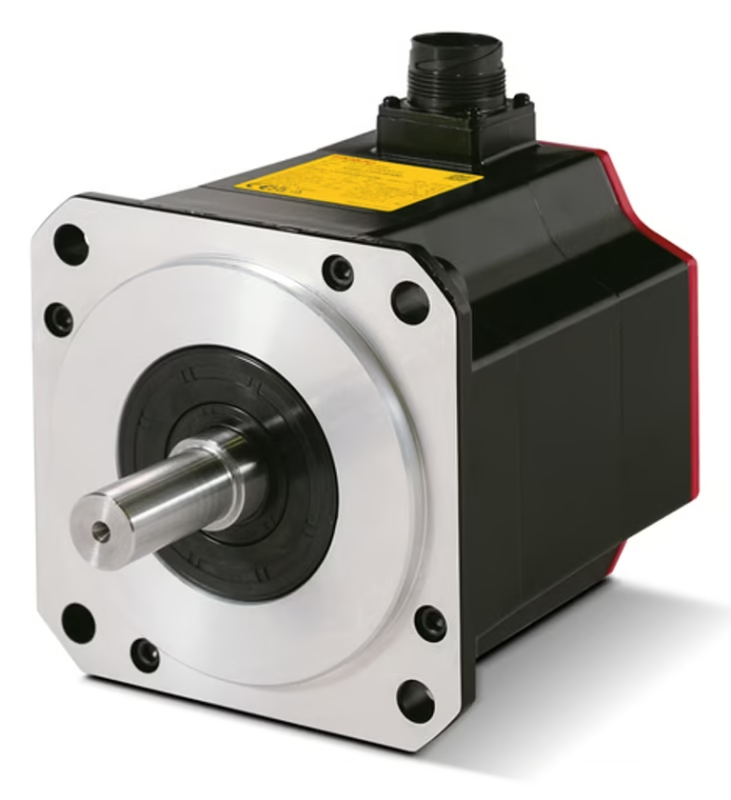
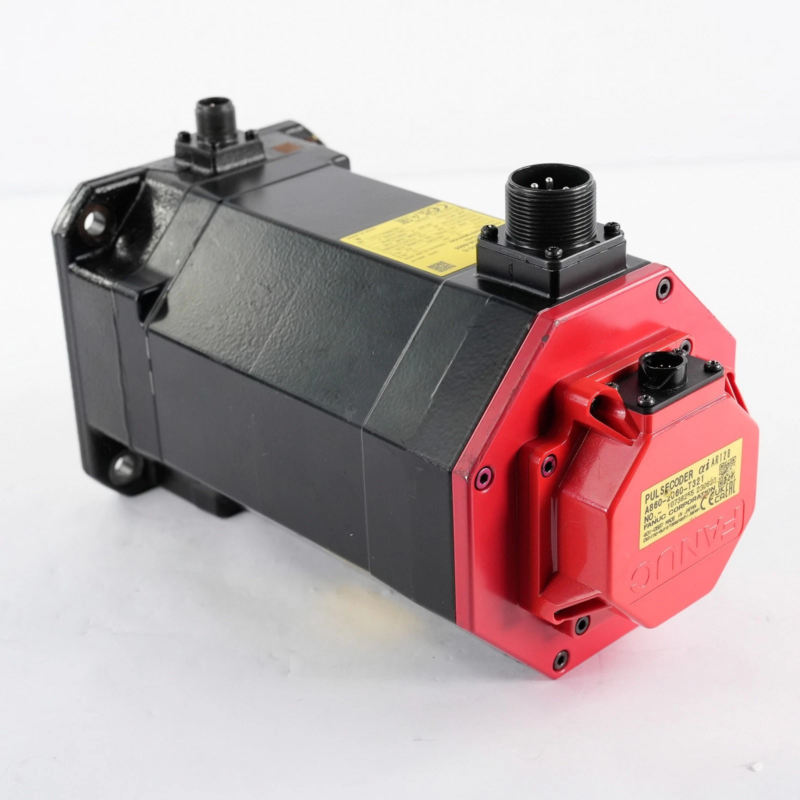
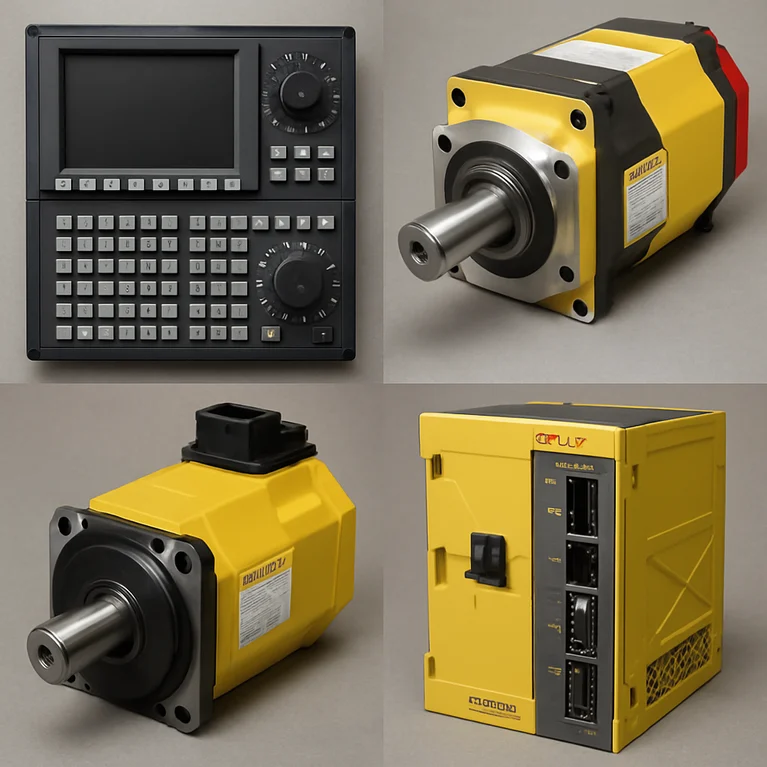
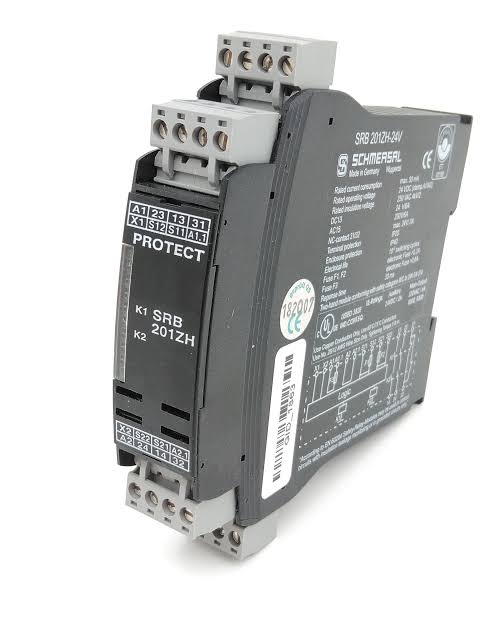
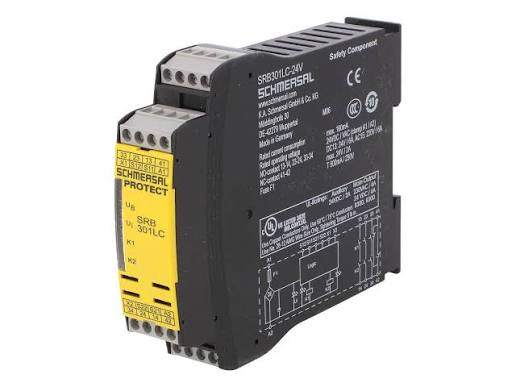
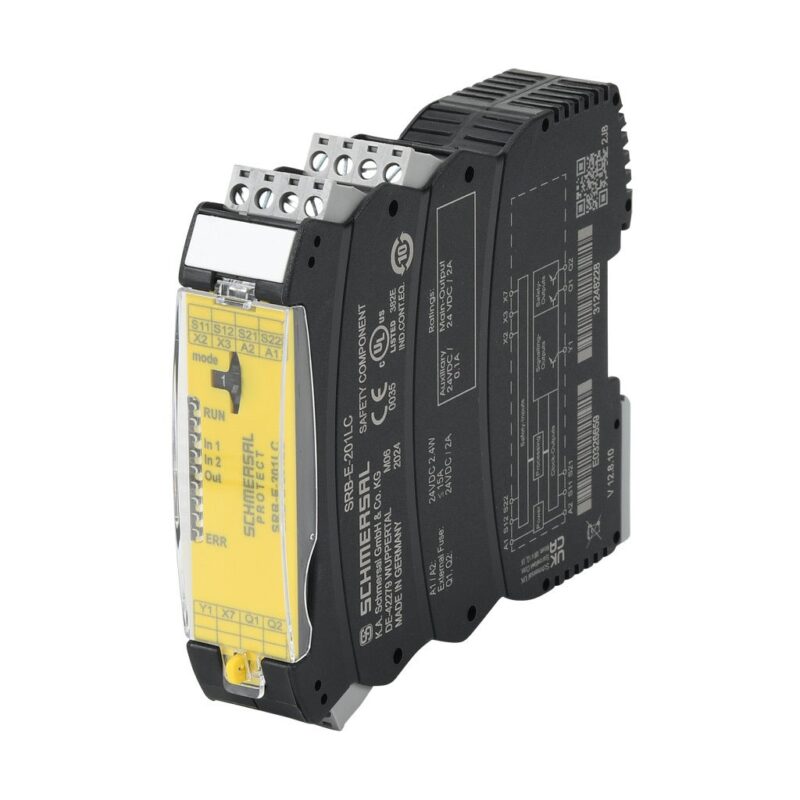
FANUC controllers form the operational core of CNC machine tools, industrial robots, and motion control systems. The parts associated with these controllers include main control boards (CPU boards), power supply units (PSU), servo amplifier modules, I/O boards, memory and battery backup units, operator panel interfaces, and connector/cable assemblies. Each component is engineered to work within FANUC’s proprietary architecture, meaning replacements must match exact part numbers, firmware compatibility, and voltage ratings to function correctly. A specialized FANUCmaintains inventory across multiple FANUC series—including the 0i, 15i, 16i, 18i, 21i, 30i, 31i, and 32i families—to support a wide range of installed machine bases.
Technical Specifications
FANUC controller parts are manufactured to strict industrial tolerances. Typical specifications include:
- Input Voltage: 200–240V AC (single or three-phase, depending on module type)
- Control Voltage: 24V DC for logic and I/O circuits
- Operating Temperature Range: 0°C to 55°C, suitable for UAE indoor industrial environments with climate control
- Storage Temperature: -20°C to 60°C
- Humidity Tolerance: 5% to 95% (non-condensing)
- Memory Backup: Lithium battery-supported CMOS/SRAM retention for parameters and programs
- Communication Protocols: FANUC FOCAS, Ethernet/IP, Profibus-DP, and RS-232C interfaces depending on board generation
- Mounting Standard: DIN rail or rack-mounted chassis compatible with standard FANUC cabinets
- Cooling Method: Passive heat sink or forced-air fan cooling on higher-load servo modules
These specifications ensure that replacement parts integrate seamlessly with existing FANUC hardware without requiring system-wide recalibration, provided the correct part number and firmware version are matched.
Reliability and Precision
Reliability in FANUC controller parts is measured through consistent signal processing, stable power regulation, and minimal drift in servo feedback loops. Original and OEM-equivalent boards undergo burn-in testing, insulation resistance checks, and functional simulation before being classified as ready for deployment. Precision is maintained through tight manufacturing tolerances on encoder feedback circuits and pulse-coder interfaces, which directly affect positioning accuracy in CNC machining and robotic motion. For industries such as aerospace component manufacturing, automotive tooling, and precision metal fabrication—all present in the UAE’s industrial zones—even minor deviations in controller performance can affect part tolerances measured in microns. This is why sourcing from a qualified FANUC Controller Parts Supplier that verifies component authenticity and performs pre-shipment testing is a critical procurement decision, not merely a cost consideration.
Typical Use Cases
FANUC controller parts are used across a broad range of industrial applications:
- CNC Machining Centers – Replacement of CPU boards and servo amplifiers to restore multi-axis milling and turning operations.
- Industrial Robotics – Control unit repairs for welding, pick-and-place, and material handling robots on production lines.
- Injection Molding Machines – Many plastic processing systems integrate FANUC controllers for cycle timing and pressure control.
- Metal Fabrication and Sheet Metal Processing – Laser cutting and punching machines using FANUC-based control systems.
- Retrofit and Upgrade Projects – Replacing obsolete boards in legacy machines to extend operational life without full system replacement.
Each use case demands parts that match not only the mechanical footprint of the original component but also the internal firmware logic that governs machine behavior.
UAE Applicability and Industrial Relevance
The UAE’s industrial base—spanning Dubai Industrial City, Jebel Ali Free Zone, Abu Dhabi’s ICAD zones, and Sharjah’s manufacturing clusters—hosts a significant concentration of CNC and automated production facilities. Many of these facilities operate legacy and current-generation FANUC systems that require ongoing maintenance support. Because original manufacturer lead times can extend for weeks when sourced internationally, UAE-based procurement teams increasingly look for a regional FANUCcapable of same-region logistics, faster turnaround, and parts availability without the customs delays associated with overseas sourcing. Evaflux positions its product catalog to serve this exact need, offering a categorized inventory of FANUC-compatible boards, modules, and interface units suited to the operating conditions and voltage standards used throughout the UAE and wider GCC region.
Procurement Guidance for Engineers and Technicians
When selecting replacement parts, procurement managers and maintenance engineers should verify the following before purchase:
- Exact FANUC part number and revision level
- Compatibility with the installed controller series and firmware version
- Whether the part is new, refurbished, or tested surplus, with documentation of testing procedures
- Warranty terms and return policy for defective units
- Availability of technical support for installation and configuration
Working with an established FANUC Controller Parts Supplier that documents these details transparently reduces the risk of receiving mismatched or non-functional components, which can otherwise result in extended machine downtime.
Frequently Asked Questions
Q1: What is the typical lead time for sourcing FANUC controller parts in the UAE?
Lead times vary depending on stock availability. Regionally stocked items can often ship within 1–3 business days, while special-order parts may take longer depending on the specific series and revision.
Q2: Can refurbished FANUC controller parts perform as reliably as new units?
Properly tested and refurbished parts, when sourced from a reputable supplier with functional testing protocols, can perform reliably. Buyers should request test reports and warranty coverage before purchase.
Q3: Are FANUC controller parts interchangeable across different machine brands?
No. FANUC controller components are proprietary to FANUC-based systems and are not generally interchangeable with other CNC control brands without significant modification, which is not typically recommended.
Q4: What voltage standards should UAE buyers confirm before installation?
Buyers should confirm that the part’s rated input voltage (commonly 200–240V AC) is compatible with local UAE electrical standards and the specific machine’s power distribution setup.
Q5: Does Evaflux provide technical support after purchase?
Yes, technical guidance is available to assist with part verification, installation questions, and troubleshooting related to compatibility.
Conclusion
Selecting the right FANUC Controller Parts Supplier is a technical and operational decision that directly affects machine uptime, production precision, and long-term maintenance costs. For engineers, technicians, and procurement managers across the UAE, working with a supplier that offers verified specifications, tested reliability, and regional logistics support ensures that CNC and robotic systems continue operating within their designed tolerances. Evaflux’s product catalog is structured to support this need with a clear, factual approach to FANUC-compatible parts sourcing.