
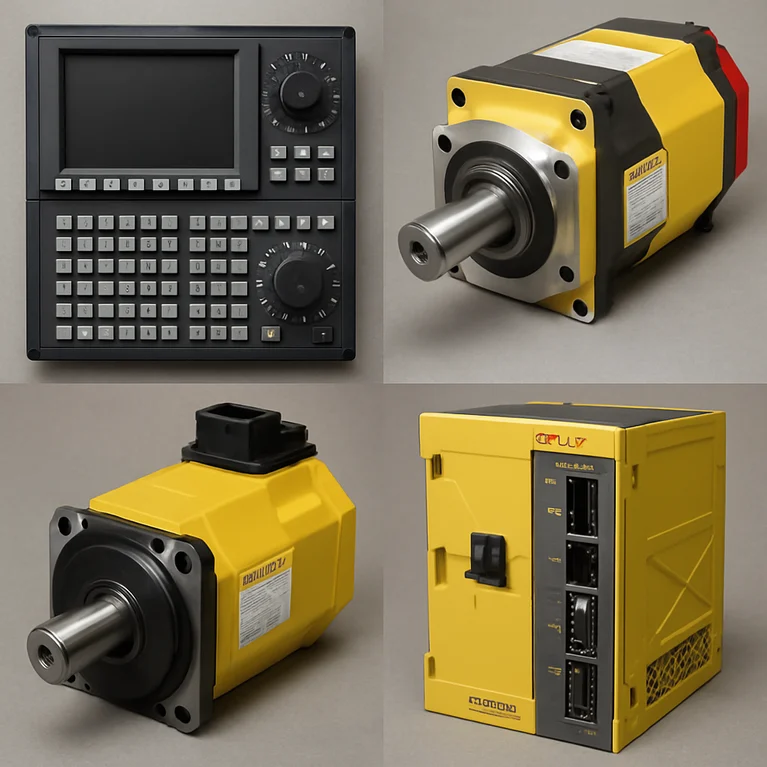
Manufacturing and machining operations across the UAE rely heavily on CNC systems to maintain output consistency, tight tolerances, and uninterrupted production schedules. Among the most widely deployed CNC control and drive systems in the region is FANUC, a brand recognized globally for its engineering standards. Sourcing components from a dependable FANUC CNC Parts Supplier is therefore a critical decision for facilities operating in automotive, aerospace, oil and gas, and general precision manufacturing sectors.
This article provides a factual, technical breakdown of FANUC CNC parts, their specifications, reliability characteristics, and application scope, with particular attention to how a FANUC CNC supports operations in the UAE market.
Understanding FANUC CNC Parts and Their Role in Industrial Automation
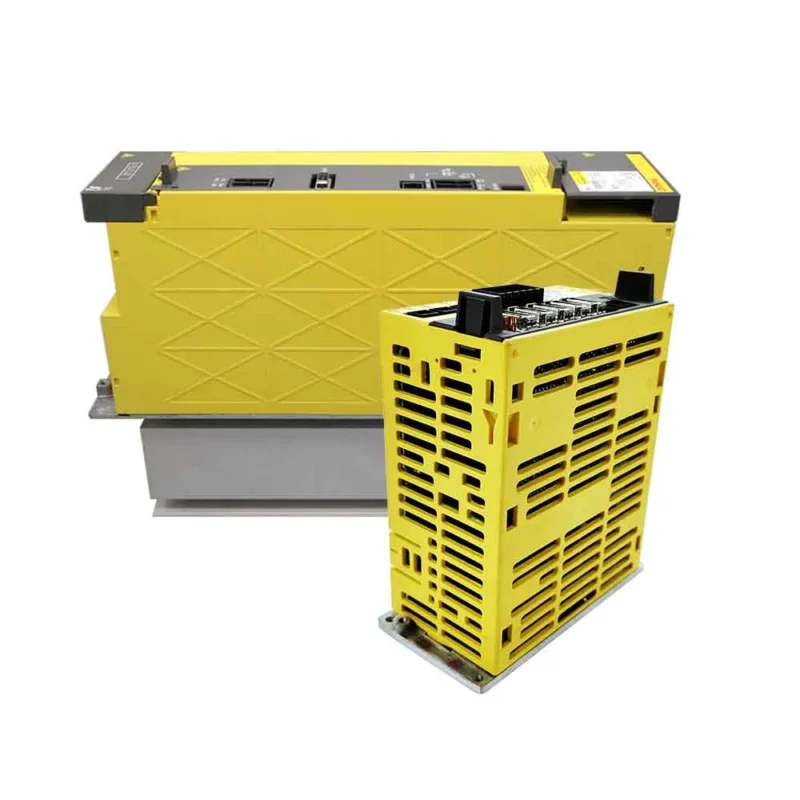
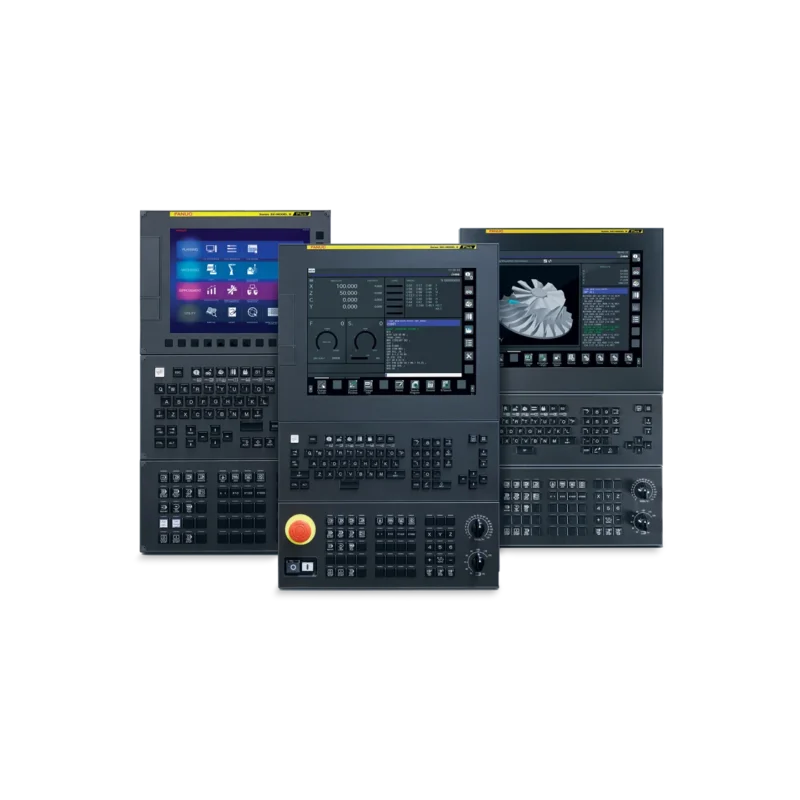
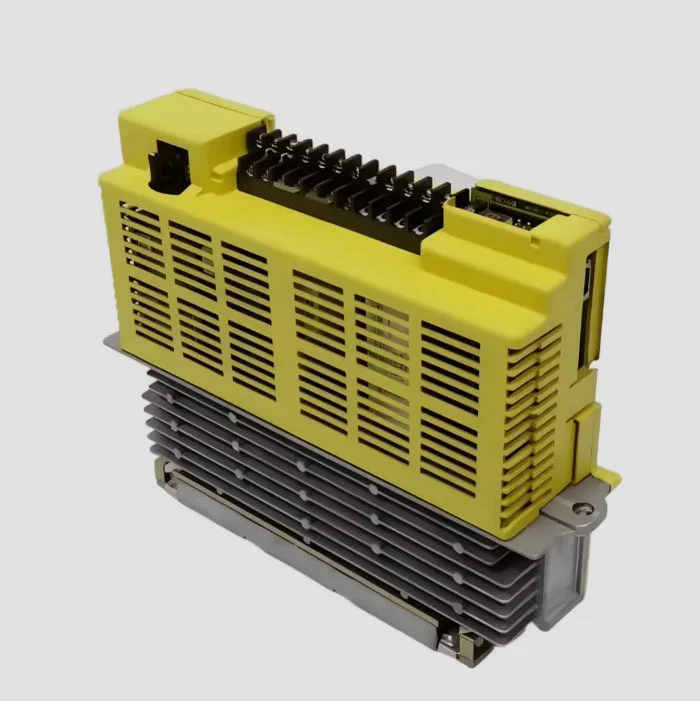
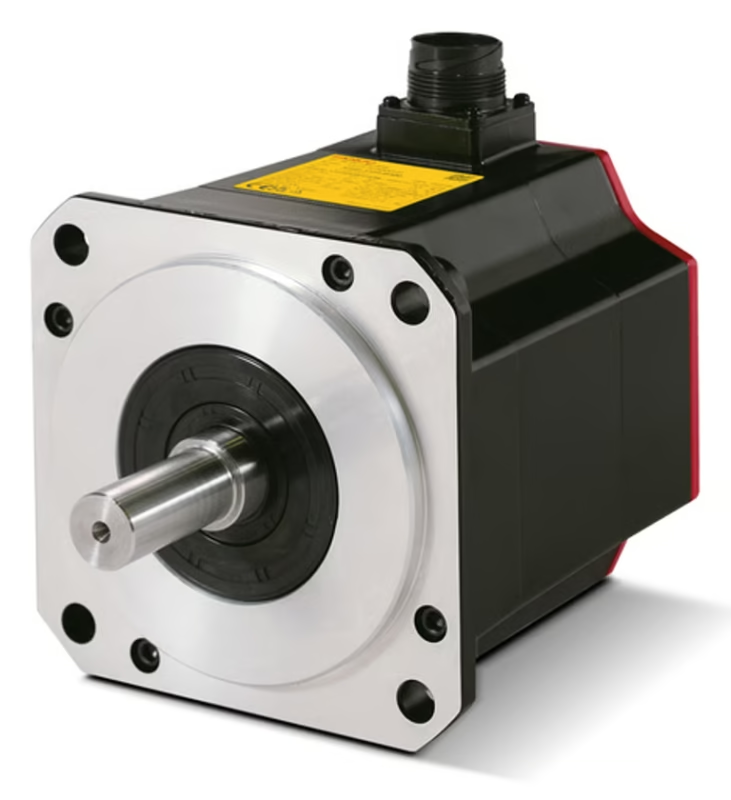
FANUC CNC parts cover a broad range of components used to operate, control, and maintain computer numerical control machine tools. These include servo motors, spindle motors, amplifiers, control boards, encoders, power supply units, and I/O modules. Each component is engineered to work within FANUC’s proprietary control architecture, which is used extensively in milling machines, lathes, robotic arms, and multi-axis machining centers.
A qualified FANUC CNC stocks both new and refurbished components, catering to facilities that require immediate replacements to minimize downtime. Given that CNC machines often operate continuously across multiple shifts, part failures can halt entire production lines, making supplier reliability and parts availability an operational priority rather than a convenience.
Technical Specifications of Core FANUC CNC Components
Understanding the specifications of common FANUC parts helps procurement teams and technicians make informed sourcing decisions.
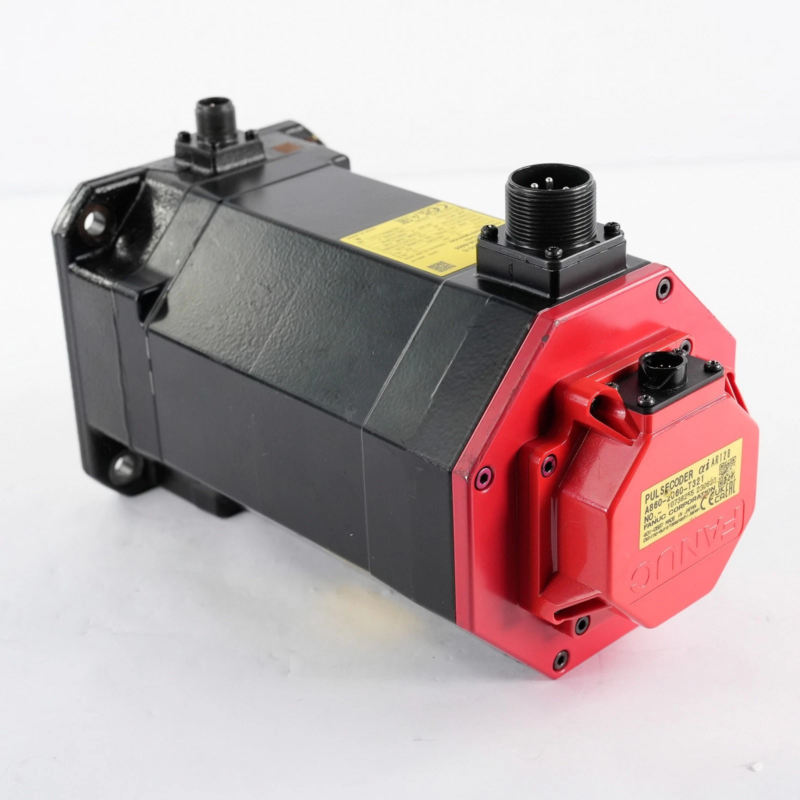
Servo Motors: FANUC servo motors typically range from 0.5 kW to over 22 kW depending on the series (alpha i, beta i series). They feature rotary encoders with resolutions up to 1,000,000 pulses per revolution, enabling precise positional feedback for axis control.
Spindle Motors: These units are rated for speeds ranging from 4,000 RPM to over 20,000 RPM in high-speed machining applications, with power outputs typically between 3.7 kW and 37 kW, depending on the machine tool requirements.
Amplifiers and Power Supply Modules: FANUC amplifiers (such as the SVM and SPM series) manage current regulation for servo and spindle motors, with input voltage ratings commonly at 200V or 400V three-phase, and built-in overcurrent and thermal protection circuits.
Control Boards and PCBs: Main CPU boards, axis control cards, and I/O boards operate within FANUC’s Series 0i, 30i, 31i, and 32i control platforms, supporting multi-axis synchronization and real-time diagnostics.
Encoders: Absolute and incremental encoders provide position feedback with resolution accuracy critical for maintaining tolerances within microns, essential for precision machining tasks.
A reputable FANUC CNC Parts Supplier provides documentation and datasheets confirming these specifications, allowing buyers to cross-reference part numbers against original FANUC catalogs before purchase.
Reliability and Precision Standards
FANUC components are manufactured under strict quality control processes, and genuine or certified-refurbished parts undergo functional testing before resale. Reliability in this context refers to mean time between failures (MTBF), which for FANUC servo and spindle systems is generally high due to sealed bearing designs, thermal management systems, and vibration-resistant construction.
Precision is measured through repeatability and positioning accuracy. FANUC servo systems commonly achieve positioning accuracy within ±0.001 mm to ±0.005 mm, depending on the axis configuration and load conditions. This level of precision supports industries where dimensional tolerances directly affect part functionality, such as aerospace component machining or automotive tooling.
When working with a FANUC CNC, buyers should request test reports or calibration certificates for refurbished units, particularly for encoders and servo amplifiers, since these components directly influence machining accuracy.
Typical Use Cases Across Industries
FANUC CNC parts are deployed across a wide range of manufacturing environments:
- Automotive Manufacturing: Engine block machining, transmission component production, and jig/fixture automation rely on FANUC-controlled CNC mills and lathes for consistent tolerances across high production volumes.
- Aerospace Component Fabrication: Precision milling of turbine components and structural parts requires the positional accuracy that FANUC servo and spindle systems provide.
- Oil and Gas Equipment Machining: Valve bodies, flanges, and custom fittings are machined using CNC systems that depend on stable spindle performance under variable load conditions.
- General Metal Fabrication and Tool Rooms: Mold making, die production, and prototype machining benefit from FANUC’s multi-axis control capabilities.
- Robotics and Automated Assembly Lines: FANUC servo motors and amplifiers are also used in robotic arm applications for material handling and welding automation.
Why UAE Manufacturers Depend on a Local FANUC CNC Parts Supplier
The UAE’s industrial sector, spanning Dubai’s manufacturing zones, Abu Dhabi’s oil and gas infrastructure, and Sharjah’s industrial clusters, has seen sustained investment in CNC-based production capacity. Many facilities operate imported FANUC-controlled machinery from Japanese, European, and regional machine tool builders, creating consistent demand for compatible replacement parts.
For UAE-based manufacturers, sourcing from a regional FANUC CNC offers several practical advantages over importing directly from overseas distributors:
Reduced Lead Times: Air freight and customs clearance delays can extend part replacement timelines to weeks when sourcing internationally. A supplier based in or serving the UAE can typically fulfill orders faster, reducing machine downtime.
Regional Technical Support: Suppliers familiar with the UAE’s industrial base can advise on part compatibility across common machine tool brands used in the region, including those integrated with FANUC control systems.
Compliance and Documentation: Import documentation, certificates of origin, and compliance with UAE customs requirements are more efficiently managed through suppliers experienced in regional trade processes.
Climate Considerations: The UAE’s high ambient temperatures place additional thermal stress on CNC electrical components. Suppliers with regional experience can guide buyers toward parts and cooling configurations suited to these operating conditions.
For procurement managers evaluating a FANUC CNC Parts Supplier, verifying regional stock availability, warranty terms, and technical documentation should be standard due diligence steps before finalizing any purchase.
Selecting the Right Supplier: Key Evaluation Criteria
When assessing a potential parts supplier, technical buyers should consider:
- Part Traceability: Confirmation of original FANUC part numbers and serial number verification.
- Testing Protocols: Evidence of functional testing for refurbished components prior to shipment.
- Warranty Terms: Clear warranty periods covering defects or failure within a specified operational timeframe.
- Inventory Depth: Availability across multiple FANUC series (0i, 30i, 31i, 32i) to support varied machine generations.
- Technical Documentation: Access to datasheets, wiring diagrams, and compatibility charts.
Conclusion
FANUC CNC parts form the operational backbone of precision machining across multiple industrial sectors, and their technical specifications directly influence manufacturing accuracy, throughput, and equipment longevity. For manufacturers operating in the UAE, working with a knowledgeable FANUC CNC Parts Supplier helps ensure faster access to compatible, tested components while reducing the operational risk associated with unplanned machine downtime. Buyers are encouraged to verify part specifications, request documentation, and confirm testing standards as part of any procurement decision.
Frequently Asked Questions (FAQ)
Q1: What types of FANUC CNC parts are commonly replaced in industrial machines?
A: The most frequently replaced components include servo motors, spindle motors, amplifiers, encoders, control boards, and power supply units, typically due to wear, electrical faults, or end-of-life cycles.
Q2: How do I confirm a FANUC part is compatible with my existing CNC system?
A: Compatibility is verified by cross-referencing the exact FANUC part number and series (e.g., 0i, 30i, 31i, 32i) against the machine’s original specifications or wiring documentation.
Q3: Are refurbished FANUC parts as reliable as new components?
A: Refurbished parts can perform reliably when they have undergone documented functional testing and calibration, particularly for servo motors, amplifiers, and encoders.
Q4: Why does sourcing FANUC parts locally in the UAE matter?
A: Local sourcing reduces lead times, simplifies customs and compliance processes, and provides access to suppliers familiar with regional operating conditions such as high ambient temperatures.
Q5: What precision level can I expect from FANUC servo-driven CNC systems?
A: Depending on configuration, FANUC servo systems typically achieve positioning accuracy within ±0.001 mm to ±0.005 mm, suitable for high-tolerance machining applications.
Q6: What documentation should I request when purchasing CNC parts?
A: Buyers should request part traceability details, test/calibration reports, and warranty documentation prior to finalizing a purchase.