
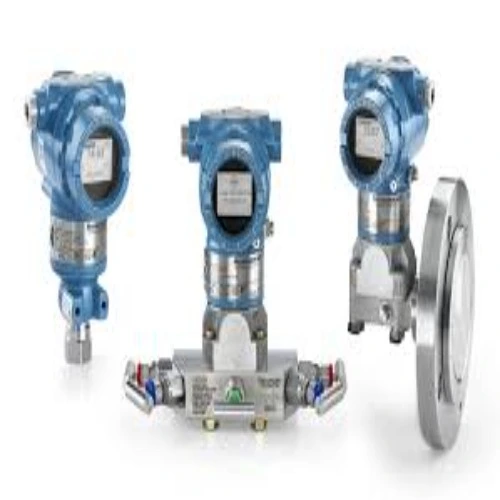
If you’re specifying pressure, temperature, level, or flow instruments for a project in the UAE, chances are Rosemount has already crossed your desk. It’s one of the most common names on approved-vendor lists across the region’s oil and gas, petrochemical, water, and power sectors. This guide breaks down what the product line actually offers — specs, certifications, accuracy, and where it fits — without the marketing gloss.
Who Makes It, and Why Does the Brand Matter?
Rosemount is a measurement instrumentation brand owned by Emerson Electric Co. It’s not a new entrant — the product family has been in continuous industrial use for decades, and that track record is a big part of why it shows up so often in EPC specifications across the Gulf. When a procurement manager is comparing quotes for Rosemount Instrumentation UAE against a lesser-known alternative, the decision usually comes down to documented reliability, parts availability, and whether local technical support exists — not just sticker price.
What’s Actually in the Product Line?
The Rosemount catalog spans several measurement categories. Here’s the short version of what each does:
- Pressure transmitters — gauge, absolute, and differential pressure measurement (e.g., 3051 series)
- Temperature transmitters — RTD and thermocouple-compatible, with onboard diagnostics (e.g., 3144P series)
- Level transmitters — guided-wave radar and non-contacting radar for tanks and vessels (e.g., 5300 series)
- Magnetic flow meters — for conductive liquids across a wide range of pipe sizes (e.g., 8700 series)
- Coriolis flow meters — high-accuracy mass flow measurement, often paired with Micro Motion technology
Each category comes with multiple model variants, so the “right” spec depends heavily on your process conditions.
Specifications at a Glance
| Instrument Type | Typical Range | Reference Accuracy | Notes |
| Pressure Transmitter (3051) | 0.1 inH2O – 4,000 psi | Up to ±0.025% of span | HART, FF, Profibus PA options |
| Temperature Transmitter (3144P) | -200°C to 850°C+ | Depends on sensor type | RTD/thermocouple compatible |
| Guided-Wave Radar Level (5300) | Up to 50 m | Dielectric-dependent | Suited to varying tank conditions |
| Magnetic Flow Meter (8700) | 1/10 in – 96 in line size | ±0.5% of flow rate | Conductive liquids only |
| Coriolis Flow Meter (Micro Motion) | N/A (mass flow) | Up to ±0.05% | Premium accuracy tier |
Enclosures generally meet IP66/IP68 and NEMA 4X ratings. Hazardous-area certifications — ATEX, IECEx, and equivalents — are available across most of the range, which matters for classified zones in UAE refineries, gas plants, and terminals. Wetted parts commonly come in 316L stainless steel, Hastelloy C, or tantalum, and housings are often low-copper aluminum or stainless steel to handle coastal humidity and salt exposure.
How Reliable Is It, Really?
Reliability claims are easy to make and hard to verify — so here’s what actually holds up in the field:
- Calibration stability. Many pressure and temperature units hold rated accuracy for five years or more before recalibration is needed, which cuts down on maintenance visits.
- Self-diagnostics. Higher-end models flag sensor drift, wiring faults, and process anomalies before they turn into unplanned shutdowns.
- Environmental tolerance. Built to handle high ambient heat, dust, and humidity — relevant for both desert interior sites and coastal facilities across the Emirates.
- Failsafe configurability. Transmitters can be set to predictable failsafe states, a requirement in many safety instrumented systems (SIS) used in refining and petrochemical operations.
None of this means zero maintenance — it means fewer surprises, which is what most plant managers actually care about.
Where Does It Get Used in the UAE?
Realistically, you’ll find this equipment across:
- Upstream and downstream oil and gas — wellhead pressure, pipeline flow, refinery process control
- Petrochemical plants — reactor temperature control, tank level monitoring, custody transfer
- Water and desalination — flow monitoring across treatment and desalination infrastructure, a major UAE investment area
- Power generation — boiler and turbine process monitoring, steam flow and pressure
- District cooling — flow measurement for energy billing accuracy in commercial and residential developments
If your project touches any of these sectors, there’s a reasonable chance Rosemount is already specified somewhere in the design package.
Should You Source Locally or Import Direct?
This is where a lot of procurement decisions actually get made. Importing directly from overseas manufacturers can work, but it usually means longer lead times, more customs friction, and slower access to spares when something fails on-site. Sourcing Rosemount Instrumentation UAE through a regional distributor typically means:
- Shorter delivery windows for standard models
- Documentation and certification support aligned with UAE import and regulatory requirements
- Local calibration and technical support instead of shipping units overseas
- Easier vendor relationships for multi-phase projects with ongoing spare-parts needs
Evaflux supplies genuine Rosemount instrumentation to UAE-based buyers, along with the documentation and technical guidance procurement teams typically need to keep a project moving without customs or compliance delays.
A Quick Checklist Before You Specify
Before locking in a model number, run through this:
- What’s the actual process pressure, temperature, and media?
- What hazardous-area zone applies, and what certification does that require?
- What protocol does your DCS or SCADA already speak — HART, FF, Profibus?
- Does the application need custody-transfer-grade accuracy, or is standard process accuracy enough?
- Who’s handling calibration and spares once the unit is installed?
Answering these first will narrow the model selection fast — and it’s a lot easier to do that with a supplier who can walk through the tradeoffs with you.
Bottom Line
Rosemount instrumentation isn’t the cheapest option on every bid, but its accuracy specs, certification coverage, and long-term stability are well documented, which is why it keeps showing up in UAE industrial specifications. Whether you’re an engineer narrowing down a model number or a procurement manager comparing suppliers, understanding both the hardware and the regional sourcing picture — specifically how Rosemount Instrumentation UAE availability affects lead time and support — will save you time later in the project.
FAQ
Is Rosemount instrumentation certified for hazardous areas in the UAE?
Most of the range carries ATEX, IECEx, or equivalent certifications, which cover the classified zones common at oil, gas, and petrochemical sites.
What accuracy can I expect from a Rosemount pressure transmitter?
Top-tier 3051 series models reach up to ±0.025% of span, though the actual figure depends on the specific model and range selected.
Which communication protocols does the product line support?
HART, FOUNDATION Fieldbus, and Profibus PA are the standard options, covering most DCS and SCADA integrations used in the region.
Why buy from a UAE distributor instead of importing directly?
Shorter lead times, local documentation support, and faster access to calibration and spares — all of which matter more once a unit is already installed and running.
What industries in the UAE use this equipment most?
Oil and gas, petrochemical processing, water and desalination, power generation, and district cooling are the most common application areas.