
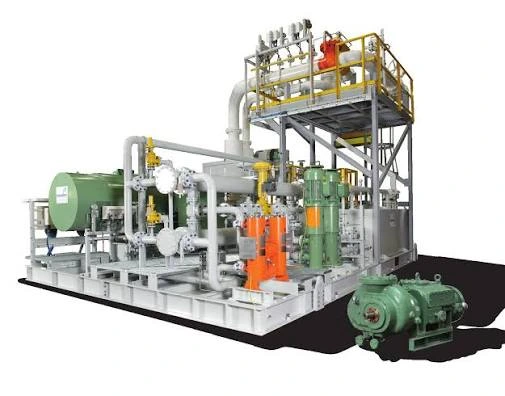
Industrial facilities across the Middle East rely on compressed air and gas systems to keep production lines, refineries, and processing plants running without interruption. When a Howden compressor requires maintenance or replacement components, sourcing parts from a qualified Howden Compressor Parts Supplier becomes a critical operational decision. This article outlines the technical specifications, reliability considerations, and typical applications of Howden compressor parts, with particular attention to their relevance for buyers operating in the UAE.
Understanding Howden Compressor Systems
Howden compressors are widely used in oil and gas, petrochemical, marine, and heavy manufacturing sectors due to their rotary screw and reciprocating designs, which are engineered for continuous-duty operation under demanding conditions. These compressors handle a range of gases and air volumes, and their internal components—rotors, bearings, seals, valves, and gaskets—are manufactured to precise tolerances to maintain compression efficiency and system integrity.
Because these machines often operate in harsh environments, including high ambient temperatures, dusty conditions, and offshore installations, the parts used for repair and maintenance must meet strict engineering standards. This is where working with an established Howden Compressor becomes essential for facility managers who cannot afford unplanned downtime.
Technical Specifications of Howden Compressor Parts
Howden compressor components are typically categorized by function, and each category carries its own set of technical requirements:
Rotors and Rotor Assemblies
Screw compressor rotors are manufactured from forged alloy steel and machined to micron-level tolerances. Profile accuracy directly affects volumetric efficiency, and even minor deviations can reduce compression ratios or increase energy consumption.
Bearings
Compressor bearings, including cylindrical roller bearings and angular contact bearings, are selected based on load capacity, rotational speed, and thermal expansion characteristics. Bearing failure is one of the most common causes of unplanned compressor shutdown, making bearing quality a top priority when selecting replacement parts.
Seals and Gaskets
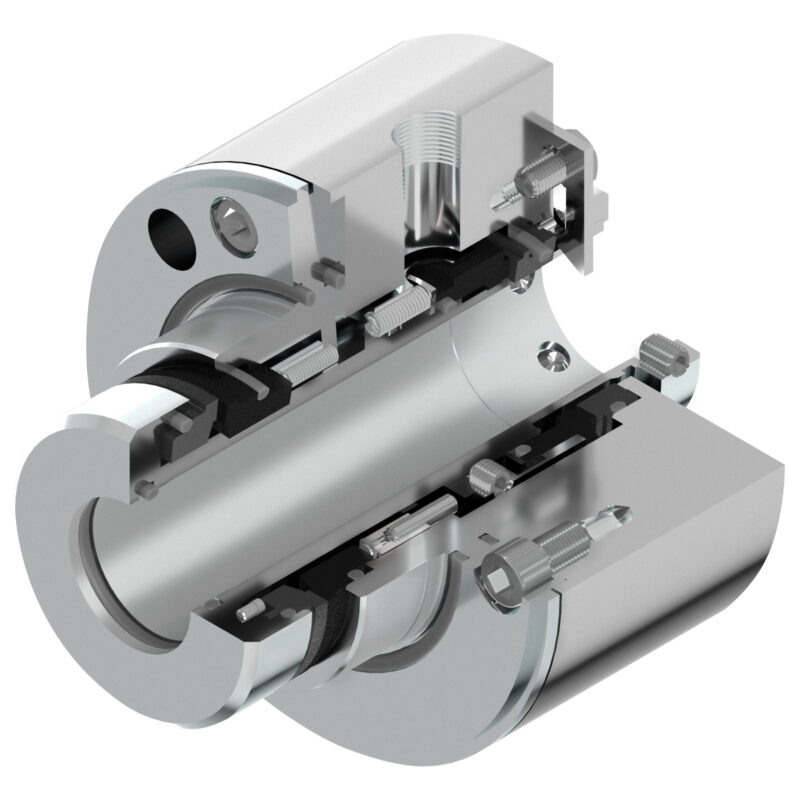
Shaft seals, mechanical seals, and gasket sets prevent gas leakage and maintain pressure differentials across compressor stages. Material selection—such as PTFE, Viton, or graphite-based composites—depends on the process gas, operating temperature, and pressure range.
Valves
Suction and discharge valves regulate gas flow direction and prevent backflow. Valve plates and springs are subject to continuous cyclic loading, so material fatigue resistance is a key specification.
Filters and Separators
Oil filters, air filters, and oil-gas separators maintain lubricant cleanliness and prevent contamination of the compressed gas stream, which is particularly important in process industries with strict purity requirements.
A dependable Howden Compressor will provide documentation confirming that each component meets original equipment specifications, including material certificates, dimensional tolerances, and performance test data.
Reliability and Precision Considerations
Reliability in compressor operation depends on more than just the quality of an individual part—it depends on how well that part integrates with the existing system. Precision manufacturing ensures that replacement components match original equipment geometry exactly, which is important for:
- Maintaining balanced rotor dynamics and reducing vibration
- Preserving designed clearances between moving parts
- Ensuring correct sealing pressure and preventing premature wear
- Supporting the compressor’s rated efficiency and output
Facilities that source from a verified Howden Compressor Parts Supplier typically experience fewer repeat failures, longer mean time between maintenance cycles, and more predictable lifecycle costs. This is particularly relevant for continuous-process industries where a single unplanned shutdown can result in significant production losses.
Typical Use Cases
Howden compressor parts are used across a wide range of industrial applications, including:
Oil and Gas Processing: Gas gathering, gas lift, and vapor recovery systems depend on compressor reliability to maintain field production targets.
Petrochemical Plants: Process gas compression for ethylene, propylene, and other feedstocks requires components rated for corrosive or high-pressure service.
Marine and Offshore Platforms: Compressors installed on vessels and offshore rigs operate in confined spaces with limited maintenance windows, making part availability and quality especially important.
Power Generation: Air and gas compression systems support turbine start-up and auxiliary plant operations.
Water and Wastewater Treatment: Blower and compressor systems used in aeration processes require durable, low-maintenance components.
Cold Storage and Refrigeration: Screw compressors used in industrial refrigeration systems rely on precision-matched parts to maintain temperature control and energy efficiency.
Why UAE Buyers Prioritize a Reliable Local Supply Chain
The UAE’s industrial base—spanning Abu Dhabi’s oil and gas sector, Dubai’s manufacturing and logistics industries, and free zones such as Jebel Ali—depends on consistent access to compressor components without the extended lead times often associated with international shipping. Regional buyers face several specific challenges:
- High ambient temperatures accelerate wear on seals, lubricants, and bearing assemblies, increasing part replacement frequency.
- Coastal humidity and salt exposure, particularly for facilities near Abu Dhabi and the Arabian Gulf coastline, requires corrosion-resistant materials and coatings.
- Strict uptime requirements in oil and gas operations make local part availability an operational necessity rather than a convenience.
- Import and customs timelines can extend procurement cycles if parts are not stocked regionally.
For these reasons, procurement teams across the UAE increasingly prefer working with a regionally accessible Howden Compressor Parts Supplier that maintains local inventory, understands regional operating conditions, and can support both planned maintenance and emergency replacement needs. A supplier familiar with UAE regulatory and import requirements can also reduce administrative delays that might otherwise extend equipment downtime.
Evaluating a Howden Compressor
When selecting a parts supplier, engineers and procurement managers should assess the following:
- Documentation and Traceability — Material certificates, dimensional inspection reports, and test data for each component.
- Cross-Reference Accuracy — Verified part numbers matching original Howden specifications.
- Inventory Availability — Regional stock levels to minimize lead times for critical spares.
- Technical Support — Access to engineers who can assist with part identification, compatibility checks, and installation guidance.
- Quality Assurance Processes — Manufacturing and inspection standards consistent with ISO or equivalent industrial certifications.
Conclusion
Selecting the right components for Howden compressor systems requires attention to material specifications, dimensional precision, and application-specific requirements. For facilities operating in the UAE’s demanding industrial environment, partnering with an experienced Howden Compressor Parts Supplier helps reduce downtime risk, extend equipment service life, and maintain consistent operational performance across oil and gas, petrochemical, marine, and manufacturing applications.
Frequently Asked Questions
Q1: What types of Howden compressor parts are most commonly replaced? Bearings, seals, gaskets, valve plates, and filter elements are among the most frequently replaced components due to normal wear from continuous operation.
Q2: How do UAE operating conditions affect compressor part lifespan? High ambient temperatures and coastal humidity can accelerate wear on seals, lubricants, and bearing surfaces, often requiring more frequent inspection and replacement compared to temperate climates.
Q3: Are aftermarket parts compatible with original Howden equipment? Compatible aftermarket parts can be used if they are manufactured to match original dimensional tolerances and material specifications. Buyers should request documentation confirming compatibility before installation.
Q4: How can procurement teams reduce compressor downtime in the UAE? Working with a supplier that maintains regional inventory, understands local import requirements, and offers technical support helps shorten lead times for both planned maintenance and emergency repairs.
Q5: What documentation should a parts supplier provide? Material certificates, dimensional inspection reports, and, where applicable, performance test data should accompany each component to confirm it meets required specifications.