
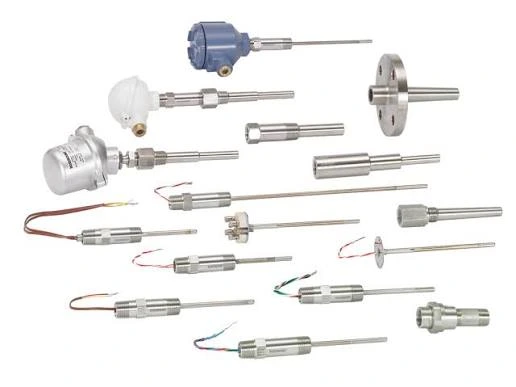
Accurate temperature measurement is a foundational requirement in modern process industries, from oil and gas refineries to pharmaceutical manufacturing plants. Among the instruments engineers and procurement teams rely on globally, the Rosemount 3144P Temperature Transmitter has established itself as a trusted device for converting sensor input into a stable, precise, and communicable signal. This article provides a factual, technical overview of the transmitter’s design, specifications, and applications for buyers evaluating it for industrial deployment.
What Is the Rosemount 3144P?
The device is a two-wire, loop-powered temperature transmitter designed to interface with resistance temperature detectors (RTDs), thermocouples (TCs), and millivolt or ohm input sources. It converts the raw sensor signal into a standardized 4–20 mA analog output, optionally superimposed with a HART digital signal, enabling seamless integration with distributed control systems (DCS), programmable logic controllers (PLC), and asset management platforms. Manufactured under the Emerson/Rosemount product line, it is widely specified in engineering documents across chemical, power generation, water treatment, and food and beverage sectors due to its established performance history and broad regulatory acceptance.
Technical Specifications
Procurement managers and instrumentation engineers typically evaluate the following core parameters when specifying this transmitter:
- Input Types: RTD (2, 3, or 4-wire), thermocouple (types B, E, J, K, N, R, S, T), millivolt, and ohm inputs
- Output Signal: 4–20 mA analog with HART 5 or HART 7 digital communication protocol
- Reference Accuracy: Typically within ±0.10 °C (±0.18 °F) for RTD inputs, depending on configuration
- Ambient Temperature Range: Operable from approximately -40 °C to 85 °C (-40 °F to 185 °F)
- Housing Material Options: Aluminum, stainless steel (CF8M or similar), suited to varied environmental exposures
- Ingress Protection: IP66/IP68 ratings available for outdoor and washdown environments
- Hazardous Area Certifications: ATEX, IECEx, FM, CSA, and other regional approvals depending on the ordered configuration
- Communication Protocols: HART, with optional compatibility for FOUNDATION Fieldbus or PROFIBUS PA variants
- Sensor Diagnostics: Sensor drift alert, sensor backup capability (dual-sensor configurations), and open-sensor detection
These specifications make the unit adaptable to a wide array of measurement points, from cryogenic storage tanks to high-temperature reactor vessels, without requiring different transmitter families for each application.
Reliability and Precision
Reliability in temperature measurement instrumentation is measured not only by initial accuracy but by long-term signal stability, resistance to drift, and diagnostic capability. The transmitter incorporates advanced digital signal processing to minimize measurement error caused by ambient temperature shifts, electromagnetic interference, and sensor aging. Its dual-sensor input capability allows for sensor redundancy, meaning that if a primary sensor fails or drifts outside acceptable tolerance, the transmitter can automatically switch to a backup sensor or flag the condition for maintenance intervention.
Additionally, the built-in diagnostics — including sensor drift alerts and loop-to-loop verification — reduce unplanned downtime by allowing maintenance teams to identify measurement anomalies before they affect downstream process control decisions. This level of self-monitoring is particularly valuable in industries where unmeasured temperature excursions can lead to product quality deviations, safety incidents, or regulatory non-compliance.
Typical Use Cases
Given its flexibility across sensor types and certification packages, the transmitter is deployed across a broad range of industrial contexts:
- Oil & Gas: Wellhead monitoring, pipeline temperature tracking, and refinery process control in classified hazardous areas
- Power Generation: Boiler feedwater temperature monitoring, turbine bearing temperature surveillance, and steam line measurement
- Chemical & Petrochemical: Reactor vessel monitoring, heat exchanger performance tracking, and batch process temperature control
- Pharmaceutical & Life Sciences: Sterile process monitoring where hygienic housing options and validated accuracy are required
- Water & Wastewater Treatment: Ambient and process water temperature monitoring for regulatory reporting
- Food & Beverage Processing: Sanitary temperature control in pasteurization and CIP (clean-in-place) systems
Because it supports both simple two-wire loop installations and more advanced HART-based asset management integration, it is suitable for both new plant construction and brownfield instrumentation upgrades.
Worldwide Applicability and Sourcing Considerations
Temperature transmitter specifications, certifications, and sensor compatibility requirements vary by region due to differing hazardous area classification systems (ATEX in Europe, FM/CSA in North America, IECEx globally, and other national standards). The Rosemount 3144P Temperature Transmitter is manufactured with configuration options that address these regional requirements, making it a relevant specification across multiple continents and regulatory environments. For procurement teams sourcing instrumentation for multi-site or multinational projects, this cross-regional certification availability simplifies vendor standardization and reduces the complexity of maintaining multiple transmitter models for different facility locations.
Evaflux supplies this transmitter to engineering, procurement, and maintenance teams operating across diverse markets, supporting project specifications that require documented certifications, calibration data, and traceable sourcing — regardless of the installation’s geographic location.
Why Source the Rosemount 3144P Through Evaflux
Buyers evaluating instrumentation suppliers typically prioritize authenticity, documentation support, and delivery reliability. Evaflux provides sourcing support for the Rosemount 3144P Temperature Transmitter with attention to correct model configuration — including sensor input type, output protocol, housing material, and certification package — helping engineering and procurement teams avoid specification mismatches that can delay commissioning. This is particularly relevant for global projects where lead times and regional certification requirements must be coordinated across multiple vendors and jurisdictions.
Frequently Asked Questions
What sensor types are compatible with this transmitter? It accepts RTD, thermocouple, millivolt, and ohm inputs, allowing a single transmitter model to be specified across varied sensor configurations.
Does it support HART communication? Yes. It supports HART 5 and HART 7 protocols for digital diagnostics and integration with asset management systems, in addition to its standard 4–20 mA analog output.
Can it be used in hazardous locations? Depending on the ordered configuration, the transmitter is available with ATEX, IECEx, FM, and CSA certifications, making it applicable to classified hazardous areas in multiple regions.
What accuracy can be expected from this device? Reference accuracy is typically within ±0.10 °C for standard RTD configurations, though exact figures depend on the specific sensor and configuration selected.
Is dual-sensor input available? Yes, dual-sensor configurations are supported, enabling sensor redundancy and backup switching in the event of primary sensor failure or drift.
Is this transmitter suitable for sanitary or hygienic applications? With appropriate housing and sensor selection, it can be configured for food, beverage, and pharmaceutical processes requiring sanitary compliance.
Conclusion
For engineers, technicians, and procurement managers evaluating temperature measurement instrumentation, the Rosemount 3144P Temperature Transmitter offers a well-documented combination of sensor flexibility, communication protocol support, and certification coverage suited to global industrial deployment. Its diagnostic features and configuration options make it applicable across a wide range of process industries and regulatory environments, supporting both new installations and instrumentation upgrades on a worldwide basis.