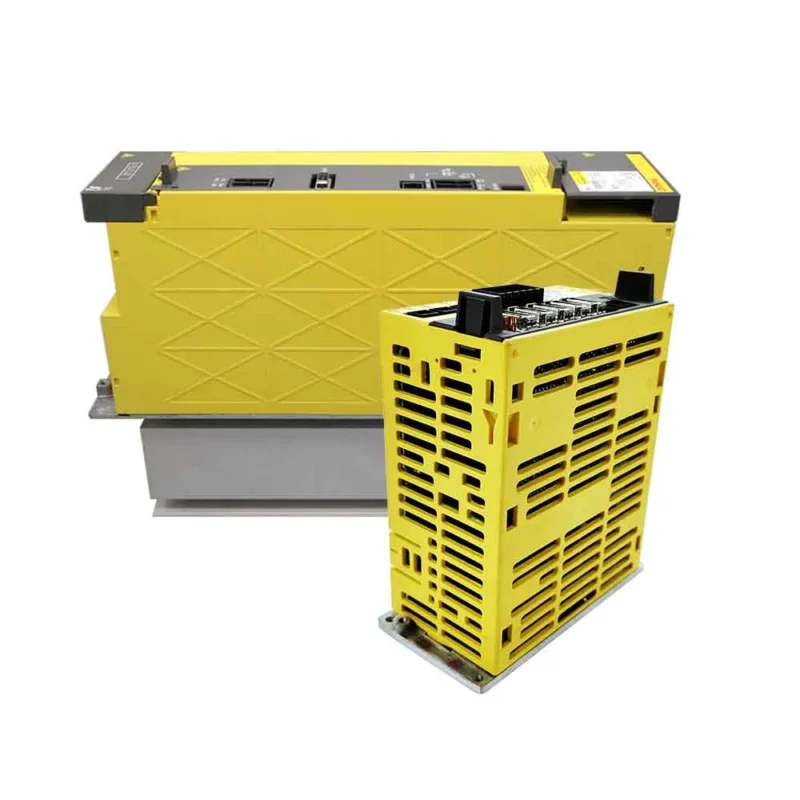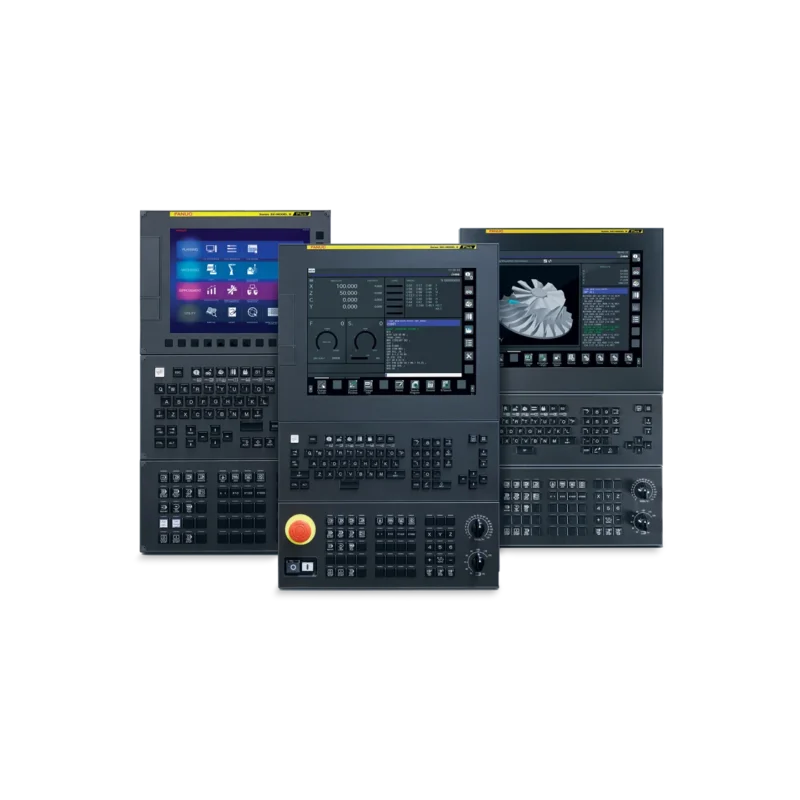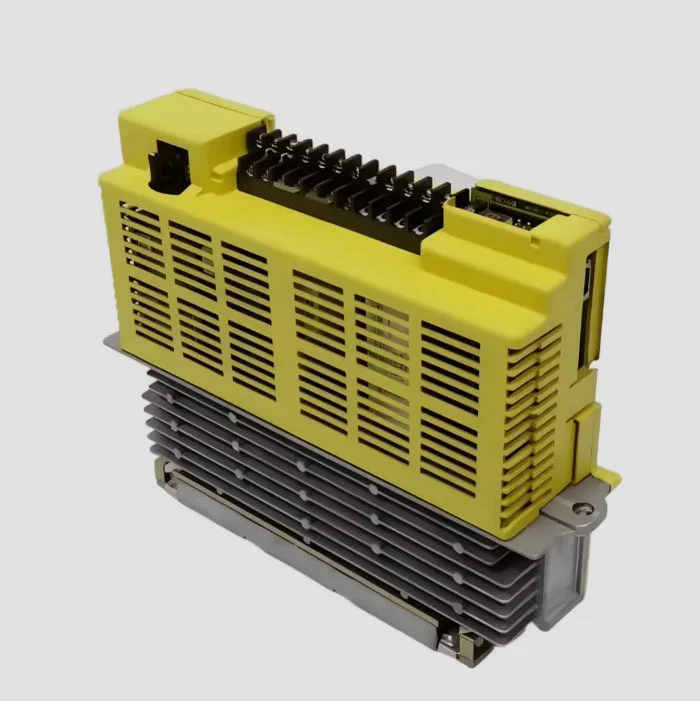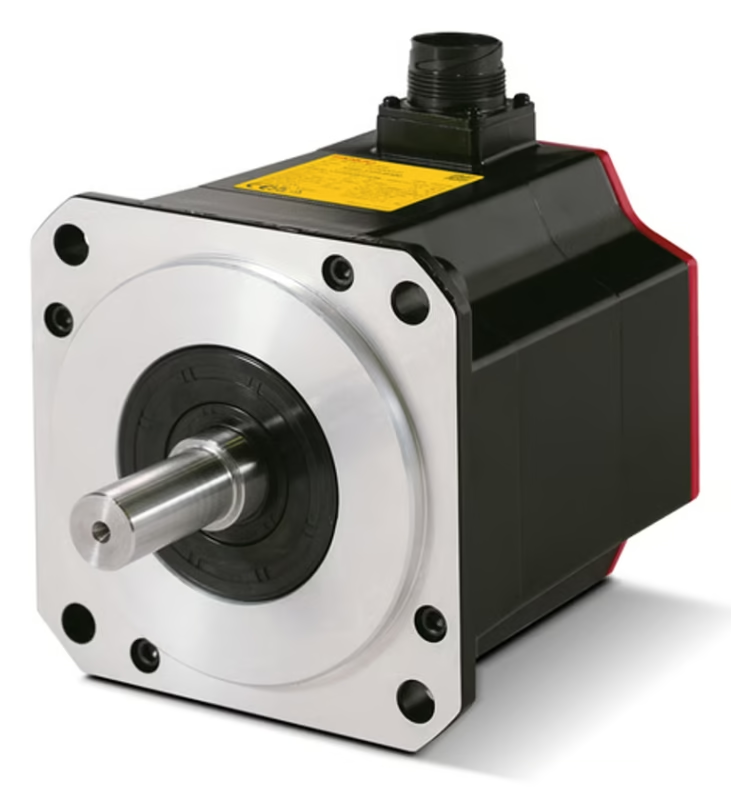

Distributed Control Systems (DCS) form the backbone of modern process automation, and Honeywell remains one of the most established names in this space. As a recognized Honeywell DCS Supplier, Evaflux provides engineers, technicians, and procurement teams with reliable access to genuine Honeywell control system components, spare parts, and system support for plants operating across multiple regions and industries.
This article outlines the technical characteristics, application areas, and sourcing considerations relevant to buyers evaluating such a supplier for new installations, system upgrades, or maintenance programs.
What Is a Distributed Control System (DCS)?
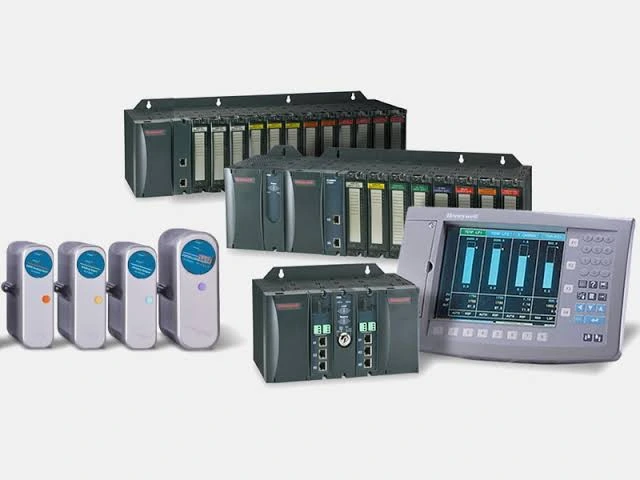
A DCS is an automated control architecture used to manage complex, continuous, or batch industrial processes. Unlike centralized control systems, a DCS distributes control functions across multiple controllers and input/output (I/O) modules connected through a redundant communication network. This distributed structure improves fault tolerance, reduces single points of failure, and allows plants to scale control capacity as operations grow.
Honeywell’s DCS platforms, including the Experion PKS (Process Knowledge System) family, are widely deployed in industries where process stability, safety, and uptime are critical operational requirements.
Technical Specifications of Honeywell DCS Systems
When sourcing these components, it is important to understand the core technical framework of the system:
- Controller Architecture: Redundant C300 or ACE (Application Control Environment) controllers handle real-time process logic execution with sub-second scan cycles.
- I/O Capacity: Modular I/O supports analog, digital, and specialty signal types, scalable from a few hundred to tens of thousands of I/O points per system.
- Network Infrastructure: Fault Tolerant Ethernet (FTE) provides dual-redundant network paths, minimizing communication downtime.
- Human-Machine Interface (HMI): Experion Station software delivers real-time process visualization, alarm management, and historical trending.
- Communication Protocols: Compatibility with Modbus, Profibus, HART, Foundation Fieldbus, and OPC UA enables integration with third-party instrumentation.
- System Redundancy: Dual redundant controllers, power supplies, and network switches support continuous operation during hardware faults.
- Safety Integration: Compatibility with Honeywell Safety Manager allows integration of Safety Instrumented Systems (SIS) alongside process control functions.
- Data Historian: Uniformance PHD (Process History Database) supports long-term data archiving for performance analysis and regulatory reporting.
These specifications make Honeywell DCS platforms suitable for facilities requiring both high processing accuracy and long-term operational stability.
Reliability and Precision in Process Control
Reliability and precision are the two performance attributes most frequently evaluated by procurement managers when selecting a Honeywell DCS Supplier. Honeywell DCS platforms are engineered with the following characteristics to support these requirements:
Reliability Features:
- Hot-swappable I/O modules that allow maintenance without full system shutdown
- Redundant controller failover with bumpless transfer to prevent process interruption
- Continuous system diagnostics that flag hardware degradation before failure occurs
- Documented mean time between failures (MTBF) data for component lifecycle planning
Precision Features:
- High-resolution analog input/output modules for accurate measurement and control signal output
- Deterministic control execution cycles that maintain consistent loop timing
- Advanced Process Control (APC) modules for multivariable optimization
- Calibration and diagnostic tools embedded within the Experion environment
For process industries where a small deviation in temperature, pressure, or flow can affect product quality or safety margins, this level of reliability and precision is a primary purchasing criterion, not a secondary consideration.
Typical Use Cases and Industry Applications
Honeywell DCS systems are deployed across a broad range of process industries. Common application areas include:
- Oil and Gas Processing – Refinery units, gas processing plants, and offshore platforms use DCS for continuous monitoring of pressure, temperature, and flow parameters.
- Power Generation – Thermal, combined-cycle, and renewable energy plants rely on DCS for turbine control, boiler management, and grid synchronization.
- Chemical and Petrochemical Manufacturing – Batch and continuous chemical processes require precise control of reaction conditions and material handling.
- Pulp and Paper – DCS manages consistent quality control across multiple production stages.
- Water and Wastewater Treatment – Municipal and industrial treatment facilities use DCS for automated dosing, filtration, and monitoring.
- Metals and Mining – Smelting, refining, and material processing operations use DCS for temperature and process consistency.
Each of these sectors requires a dependable Honeywell DCS Supplier capable of providing both new equipment and legacy component support, since many facilities operate systems with multi-decade service lifespans.
Worldwide Applicability and Regional Relevance
Industrial facilities operate under varying regulatory, environmental, and infrastructure conditions depending on their region. A capable supplier must be equipped to support this global diversity through:
- Cross-Regional Compliance: Familiarity with regional certification standards (ATEX, IECEx, UL, CSA) relevant to hazardous area classifications.
- Multi-Region Logistics: Established distribution capability to support plants in North America, Europe, the Middle East, Asia-Pacific, and Africa.
- Legacy System Support: Availability of components for older Honeywell TDC 3000 and older Experion generations still operating in many facilities worldwide.
- Technical Documentation Access: Multilingual technical support and documentation for cross-border engineering teams.
- Time Zone-Aligned Support: Coordination across regional business hours to minimize downtime during critical maintenance windows.
For procurement teams managing multi-site operations, working with a vendor that understands these global sourcing dynamics reduces lead-time variability and simplifies vendor management across regions.
Key Considerations When Selecting a DCS Supplier
Procurement managers and engineering teams typically evaluate suppliers against the following criteria:
| Evaluation Criteria | Why It Matters |
| Component authenticity | Ensures compatibility and warranty validity |
| Inventory availability | Reduces downtime during unplanned failures |
| Technical support depth | Assists with installation, troubleshooting, and upgrades |
| Documentation accuracy | Supports compliance and engineering change management |
| Global shipping capability | Enables consistent support across multi-site operations |
| Legacy part sourcing | Extends the operational life of existing systems |
These factors collectively determine whether a supplier can reliably support both immediate procurement needs and long-term system maintenance planning.
Conclusion
Selecting the right Honeywell DCS Supplier directly affects the operational reliability, safety, and efficiency of industrial control systems. From technical specifications and redundancy architecture to global logistics and legacy component support, buyers benefit from working with suppliers who understand both the engineering requirements and the practical sourcing challenges of distributed control systems. As industries continue to modernize automation infrastructure while maintaining existing installed systems, the role of a dependable, globally capable supplier remains central to keeping process operations running safely and efficiently.
Frequently Asked Questions (FAQ)
Q1: What does a Honeywell DCS typically provide?
A Honeywell DCS provides controllers, I/O modules, HMI software, network components, spare parts, and technical support related to Honeywell distributed control system platforms, including both current and legacy product generations.
Q2: Can a Honeywell DCS support older systems like TDC 3000?
Yes. Many industrial facilities still operate legacy Honeywell TDC 3000 and early Experion systems. Suppliers with strong inventory networks can often source components for these older platforms even after official end-of-life announcements.
Q3: How does redundancy improve DCS reliability?
Redundant controllers, power supplies, and network paths allow the system to continue operating if one component fails, preventing unplanned process shutdowns and minimizing safety risks.
Q4: What industries rely most heavily on Honeywell DCS systems?
Oil and gas, power generation, chemical manufacturing, water treatment, pulp and paper, and metals processing are among the industries with the highest DCS deployment rates due to their continuous process requirements.
Q5: Why is global sourcing capability important for a DCS supplier?
Multi-site industrial operations often span several countries with different regulatory and logistics requirements. A supplier with global reach can maintain consistent component availability and support across all facility locations.
Q6: What certifications should buyers look for in hazardous area applications?
Depending on the region, certifications such as ATEX, IECEx, UL, and CSA may be required for equipment installed in classified hazardous locations.