
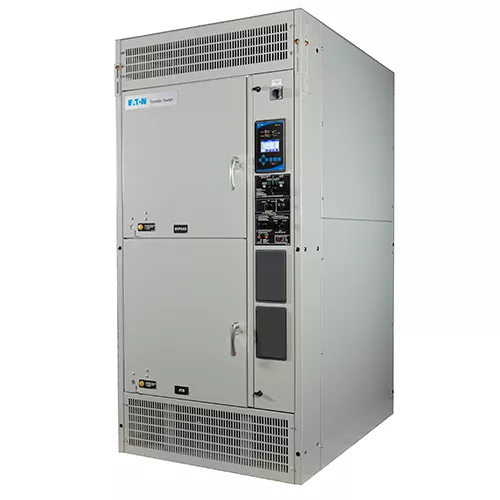
Reliable electrical infrastructure is the backbone of every industrial facility, commercial building, and utility network. Among the manufacturers that engineers and procurement teams consistently specify, Eaton Power Distribution Equipment stands out for its engineering consistency, broad certification coverage, and proven field performance across diverse electrical environments. This article provides a factual, technical breakdown of what this equipment category includes, its core specifications, and where it is typically deployed — helping engineers, technicians, and procurement managers make informed sourcing decisions.
What Is This Equipment Category?
This product line refers to a broad range of low- and medium-voltage components designed to route, protect, and manage electrical power from the utility source through to end-use loads. This category typically includes:
- Switchgear (low-voltage and medium-voltage)
- Panelboards and switchboards
- Circuit breakers (molded case, insulated case, and air circuit breakers)
- Busway and busbar systems
- Transfer switches (automatic and manual)
- Motor control centers (MCCs)
- Metering and monitoring devices
Each product line is engineered to work within a coordinated system, allowing facility operators to build distribution architectures that scale from small commercial buildings to large industrial plants and utility substations.
Technical Specifications
Specifications vary by product line, but the following ranges are representative of what buyers can expect when evaluating this equipment category:
- Voltage ratings: Low-voltage systems typically range from 120V to 600V; medium-voltage systems extend from 5kV to 38kV, depending on the specific product line.
- Current ratings: Panelboards and switchboards are commonly rated from 100A to 6000A for main bus configurations.
- Short-circuit ratings: Interrupting capacities range from 10kA to over 200kA symmetrical, depending on breaker type and system configuration.
- Enclosure types: NEMA 1, 3R, 4, 4X, and 12 enclosures are available to suit indoor, outdoor, washdown, and corrosive environments.
- Frequency compatibility: Equipment is generally available in both 50Hz and 60Hz configurations to support different regional grid standards.
- Certifications: Products are typically certified to UL, CSA, IEC, and ANSI standards, depending on the target market and application.
- Communication protocols: Modern units often support Modbus, BACnet, and other protocols for integration with building management and SCADA systems.
These specifications allow Eaton Power Distribution Equipment to be configured for a wide range of load profiles, from simple lighting and receptacle circuits to complex motor-driven industrial processes.
Reliability and Engineering Precision
Reliability in power distribution equipment is measured through design margins, manufacturing quality control, and long-term field performance data. Several engineering characteristics contribute to consistent operation:
Coordinated Protection Design. Breakers and protective devices within a distribution system are engineered for selective coordination, meaning a fault is isolated at the nearest protective device rather than tripping upstream equipment and causing broader outages.
Manufacturing Standards. Components are produced under quality management systems such as ISO 9001, with factory testing performed on switchgear and breakers before shipment to verify dielectric strength, mechanical operation, and thermal performance.
Arc Flash Mitigation. Many product lines incorporate arc-resistant designs or optional arc flash reduction maintenance switches, which lower incident energy exposure for maintenance personnel — a critical factor for facilities prioritizing personnel safety and OSHA/NFPA 70E compliance.
Thermal and Mechanical Durability. Busbar systems and enclosures are engineered to withstand thermal cycling and mechanical stress from fault currents, reducing degradation over repeated operational cycles.
This combination of design precision and testing rigor is a primary reason procurement teams specify this equipment in mission-critical applications where downtime carries significant operational or financial consequences.
Typical Use Cases
The versatility of this equipment category supports deployment across numerous sectors:
- Commercial Buildings: Office towers, retail centers, and hospitality properties use panelboards and switchboards to distribute power to HVAC, lighting, and general building loads.
- Industrial Facilities: Manufacturing plants rely on motor control centers and medium-voltage switchgear to power large motors, conveyors, and process equipment.
- Data Centers: Automatic transfer switches and switchgear support redundant power paths, ensuring continuity between utility and backup generation sources.
- Healthcare Facilities: Hospitals require distribution systems with emergency power transfer capabilities to meet life-safety code requirements.
- Utilities and Substations: Medium-voltage switchgear forms part of the distribution network between transmission substations and end consumers.
- Renewable Energy Installations: Solar farms and wind installations use distribution and switching equipment to integrate generated power into the grid.
- Marine and Oil & Gas: Specialized enclosures and hazardous-location-rated equipment support offshore platforms and processing facilities.
Across each of these applications, Eaton Power is selected based on load requirements, environmental conditions, and applicable regional codes.
Worldwide Applicability and Relevance
Power distribution requirements differ by region due to variations in voltage standards, frequency (50Hz vs. 60Hz), climate conditions, and regulatory frameworks. This product category is manufactured and certified to address that variability, with configurations available for:
- North America: UL 891 switchboards, UL 1558 low-voltage switchgear, and NEMA-rated enclosures aligned with U.S. and Canadian electrical codes.
- Europe and the Middle East: IEC 61439-rated switchgear and panelboards compliant with CE marking requirements.
- Asia-Pacific: Equipment configured for regional voltage standards and tropicalized for high-humidity, high-temperature climates.
- Africa and Latin America: Distribution equipment adapted for grid conditions with variable power quality, including surge and voltage fluctuation tolerance.
Because infrastructure projects — from data centers to industrial expansions — are increasingly multinational in scope, sourcing equipment with globally recognized certifications simplifies engineering approval and reduces compliance risk across jurisdictions. This global standardization is a key reason procurement managers evaluating international projects consistently return to this product category as a specification baseline on product category pages and technical datasheets alike.
Procurement Considerations
When specifying or sourcing this equipment, engineers and buyers should confirm the following before finalizing an order:
- Voltage and frequency compatibility with the destination site’s grid.
- Short-circuit current rating (SCCR) alignment with available fault current at the installation point.
- Enclosure rating appropriate to the installation environment (indoor, outdoor, corrosive, or washdown).
- Certification requirements specific to the country or region of installation (UL, IEC, CSA, etc.).
- Lead times and regional stocking, particularly for custom switchgear configurations.
- Integration requirements with existing building management or SCADA systems.
Addressing these factors early in the specification process reduces the risk of delays during commissioning and inspection.
Procurement managers working on multi-site or multinational rollouts should also account for lead times tied to custom configurations, since medium-voltage switchgear and engineered-to-order panelboards are typically built after order placement rather than stocked as standard inventory. Engaging with a regional distributor or authorized channel partner early in the planning stage can help align delivery schedules with construction or commissioning timelines, particularly for projects spanning multiple countries with differing import and customs requirements. Coordinating documentation — including single-line diagrams, short-circuit studies, and site environmental data — before placing an order also reduces the likelihood of change orders once equipment reaches the submittal review stage.
Conclusion
Selecting the right power distribution equipment requires balancing electrical performance, safety, regulatory compliance, and long-term reliability. With a broad product range, globally recognized certifications, and engineering practices built around coordinated protection and durability, Eaton Power Distribution Equipment remains a widely specified choice for commercial, industrial, and utility-scale projects worldwide. For engineers and procurement managers evaluating distribution equipment for a new build or retrofit, understanding these technical fundamentals is the first step toward a compliant, reliable installation.
Frequently Asked Questions
1. What voltage ranges does Eaton Power Distribution Equipment support?
Low-voltage systems typically range from 120V to 600V, while medium-voltage product lines extend from 5kV to 38kV, depending on the specific equipment selected.
2. Is this equipment suitable for outdoor or harsh environments?
Yes. Enclosures are available in multiple NEMA ratings (1, 3R, 4, 4X, 12) to support indoor, outdoor, washdown, and corrosive environments.
3. Can this equipment be used in projects outside North America?
Yes. Product lines are available with IEC, CE, and other regional certifications, making them suitable for projects in Europe, the Middle East, Asia-Pacific, Africa, and Latin America.
4. What certifications should I verify before purchasing?
Confirm certifications relevant to your installation region, such as UL and NEMA for North America or IEC and CE for international markets, along with local electrical code compliance.
5. How does this equipment support arc flash safety?
Many product lines include arc-resistant designs or optional arc flash reduction maintenance switches, which help lower incident energy exposure during maintenance activities.
6. What industries commonly use this equipment?
Common sectors include commercial real estate, industrial manufacturing, data centers, healthcare, utilities, renewable energy, and marine or oil & gas facilities.
7. Does this equipment integrate with building management systems?
Many current product lines support communication protocols such as Modbus and BACnet, enabling integration with building management and SCADA systems.