
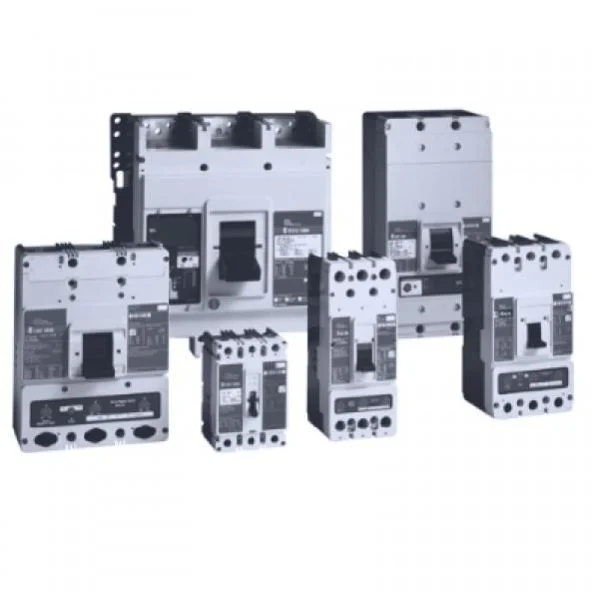
Electrical protection is a foundational requirement in any power distribution system, whether it serves a manufacturing plant, a data center, a commercial building, or a utility substation. Among the many manufacturers producing circuit protection equipment, Eaton is recognized internationally for its engineering standards and broad product range. As an Eaton Circuit Breaker Supplier, Evaflux provides engineers, technicians, and procurement teams with access to a wide catalog of breakers suited to diverse voltage classes, current ratings, and application environments. This guide outlines the technical characteristics, reliability considerations, and typical use cases of Eaton circuit breakers, along with why sourcing through a dedicated Eatonmatters for project planning and procurement.
Why Circuit Breaker Selection Matters
Circuit breakers protect electrical circuits from damage caused by overload or short-circuit conditions. An incorrectly specified breaker can lead to nuisance tripping, equipment damage, or in worst cases, fire and safety hazards. Selecting the correct breaker requires attention to:
- Voltage rating (AC/DC)
- Continuous current rating
- Interrupting capacity (kA)
- Trip curve characteristics
- Pole configuration (1P, 2P, 3P, 4P)
- Mounting type (DIN rail, panel, switchgear)
- Environmental rating (indoor/outdoor, IP rating)
Because these parameters vary significantly across product lines, working with a knowledgeable Eaton helps buyers match the correct breaker series to their specific application rather than relying on generic substitutes.
Overview of Eaton Circuit Breaker Product Lines
Eaton manufactures circuit breakers across several categories, each designed for different load and voltage requirements:
Miniature Circuit Breakers (MCBs) — Used in low-voltage distribution boards for lighting, socket outlets, and small motor circuits. Typically rated up to 125A with interrupting capacities ranging from 6kA to 10kA, depending on the series.
Molded Case Circuit Breakers (MCCBs) — Designed for higher current applications, generally from 15A up to 2500A, with interrupting ratings that can extend well beyond 65kA in high-performance frames. MCCBs are commonly used in industrial feeders, motor control centers, and main distribution panels.
Air Circuit Breakers (ACBs) — Used for main incoming supply protection in large facilities, rated from approximately 630A up to 6300A, suited for applications requiring high fault-current interruption and advanced protection relay integration.
Residual Current Devices and RCBOs — Combine overcurrent protection with earth leakage detection, important for personnel safety in both commercial and residential installations.
Medium Voltage Breakers — Used in substations and industrial power distribution above 1kV, often vacuum or SF6-based interruption technology, built to withstand higher fault levels typical of utility and heavy industrial networks.
Technical Specifications Buyers Should Evaluate
When sourcing through an Eaton Circuit Breaker Supplier, procurement teams typically request documentation covering the following specifications:
| Parameter | Typical Range |
| Rated Voltage | 230V to 690V (LV); above 1kV (MV) |
| Rated Current (In) | 6A to 6300A depending on series |
| Breaking Capacity (Icu) | 6kA to over 100kA |
| Poles | 1, 2, 3, or 4 |
| Trip Unit Type | Thermal-magnetic or electronic |
| Standards Compliance | IEC 60947-2, UL 489, or regional equivalents |
| Operating Temperature | -25°C to 55°C (standard range) |
| Mounting | DIN rail, base-mounted, drawout, fixed |
These figures vary by exact model and frame size, so datasheet verification for the specific part number remains essential before final purchase decisions.
Reliability and Build Quality
Reliability in circuit protection equipment is generally assessed through mechanical and electrical endurance testing, short-circuit withstand performance, and consistency of trip response under fault conditions. Eaton breakers are typically tested against IEC and UL standards, which define minimum operational cycles and interruption performance. For facilities operating critical infrastructure — such as hospitals, data centers, and continuous-process manufacturing — breaker reliability directly affects uptime and safety compliance. This is one reason procurement teams prefer working with an established Eatonthat can provide traceable, authentic products along with test certificates and compliance documentation.
Precision and Trip Coordination
Modern electronic trip units used in Eaton MCCBs and ACBs allow adjustable settings for long-time, short-time, instantaneous, and ground-fault protection. This adjustability supports selective coordination — a design practice where only the breaker closest to a fault trips, minimizing disruption to the rest of the electrical system. Precise trip curve coordination is particularly important in multi-tier distribution systems found in industrial plants, commercial high-rises, and data centers, where an unplanned upstream trip can cause widespread outages.
Typical Use Cases
Eaton circuit breakers are deployed across a broad range of sectors:
- Industrial manufacturing — motor protection, feeder circuits, and machine control panels
- Commercial buildings — main distribution boards, HVAC systems, and lighting circuits
- Data centers — critical load protection requiring high reliability and selective coordination
- Oil, gas, and petrochemical facilities — breakers rated for harsh environments and explosion-proof enclosures
- Utilities and substations — medium-voltage breakers for grid protection
- Renewable energy installations — DC-rated breakers for solar arrays and battery storage systems
Each of these use cases requires different current ratings, breaking capacities, and enclosure types, reinforcing the value of consulting a specialized Eaton Circuit Breaker rather than sourcing generic alternatives.
Worldwide Applicability
Electrical infrastructure projects are rarely confined to a single country, and voltage standards, frequency (50Hz/60Hz), and regulatory frameworks differ by region. Eaton circuit breakers are manufactured to align with both IEC standards (common across Europe, the Middle East, Asia, and Africa) and UL/ANSI standards (common in North America), making them applicable to a wide range of international projects. Whether a buyer is sourcing equipment for a facility in the Middle East, Southeast Asia, Europe, or the Americas, product compatibility with regional codes is a key consideration. Evaflux, as a global Eaton Circuit Breaker, supports cross-border procurement by helping buyers identify the correct standard-compliant model for their target region, along with export documentation and logistics coordination.
Procurement Considerations
For procurement managers, sourcing circuit breakers involves more than matching part numbers. Key considerations include:
- Authenticity verification — confirming products are genuine and not counterfeit, particularly important given the volume of falsified electrical components in the global market
- Lead time and stock availability — especially for older or discontinued series still in operational use
- Compliance documentation — test certificates, CE/UL markings, and datasheets
- After-sales support — access to technical assistance for installation and troubleshooting
- Total cost of ownership — balancing upfront cost against reliability and expected service life
Working with a transparent Eatonhelps mitigate the risks associated with counterfeit components and supply chain delays, particularly for buyers managing multi-site or international projects.
Installation and Maintenance Notes
Circuit breakers should be installed by qualified electrical personnel in accordance with local wiring regulations. Periodic maintenance, including visual inspection, torque checks on terminal connections, and functional trip testing, helps ensure breakers perform correctly when needed. For electronic trip units, firmware and setting verification should be part of routine maintenance schedules, particularly after any system reconfiguration.
Conclusion
Circuit breakers form a critical layer of protection within any electrical distribution system, and selecting the right product requires attention to voltage class, current rating, interrupting capacity, and regional compliance standards. Eaton’s range of MCBs, MCCBs, ACBs, and medium-voltage breakers addresses applications from small commercial panels to large industrial and utility installations. For engineers specifying equipment, technicians handling installation, and procurement managers responsible for sourcing, working with a knowledgeable and transparent Eaton Circuit Breaker Supplier like Evaflux simplifies the process of identifying compliant, reliable products for projects anywhere in the world.
Frequently Asked Questions
What is the difference between an MCB and an MCCB?
MCBs are typically used for lower current applications (up to 125A) in residential and light commercial settings, while MCCBs handle higher currents (up to 2500A or more) and are commonly used in industrial and heavy commercial distribution systems.
How do I know which breaking capacity (kA) I need?
Breaking capacity should be selected based on the available fault current at the installation point, which is typically determined through a short-circuit study performed by a qualified electrical engineer.
Are Eaton circuit breakers compatible with both IEC and UL systems?
Eaton produces separate product lines certified to IEC 60947-2 for international markets and UL 489 for North American markets. The correct series must be selected based on the destination country’s applicable standard.
Can Evaflux supply Eaton circuit breakers internationally?
Yes. As a global Eaton Circuit Breaker Supplier, Evaflux supports sourcing and export documentation for buyers across multiple regions, subject to product availability and regional compliance requirements.
What documentation should I request when purchasing circuit breakers?
Buyers should request datasheets, test certificates, compliance markings (CE, UL, etc.), and, where applicable, a certificate of authenticity to confirm the product is genuine.
How often should circuit breakers be tested or maintained?
Maintenance intervals vary by application and criticality, but general industry practice recommends annual visual inspection and functional testing, with more frequent checks for breakers in critical or high-cycle applications.