
Reciprocating gas compressors built on Ariel platforms are widely deployed across the UAE’s upstream, midstream, and downstream gas operations, from onshore gathering stations to LNG feed-gas compression trains. Sourcing components from a dependable Ariel Cylinder Parts Supplier is a decision that directly affects compressor uptime, gas containment, and long-term maintenance costs. This article outlines what engineers, technicians, and procurement teams should know when evaluating cylinder parts for Ariel-based reciprocating compressors, with particular attention to conditions and supply chains relevant to the UAE market.
Why Cylinder Parts Selection Matters
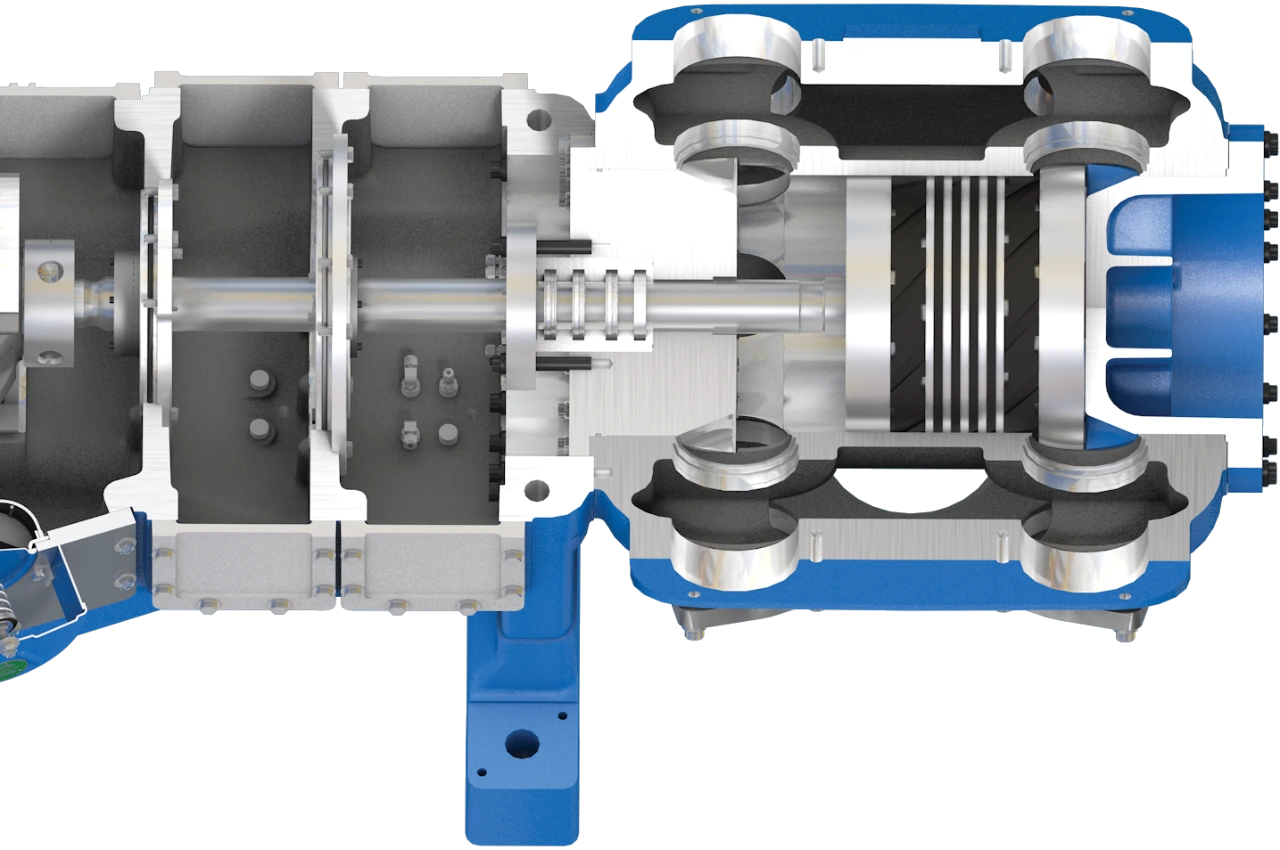
The compressor cylinder is the pressure-containing component where gas is drawn in, compressed, and discharged through a repeated piston stroke cycle. Every part inside the cylinder assembly — piston rings, rider bands, packing cases, valves, liners, and gaskets — operates under cyclic mechanical loading, pressure differentials, and, in many UAE gas fields, sour or wet gas conditions. Selecting components that are dimensionally accurate and metallurgically matched to OEM specifications is essential to avoid premature wear, gas leakage, or unplanned shutdowns. This is why plant operators consistently look for a specialized parts vendor with dedicated Ariel-platform expertise, rather than relying on generic aftermarket substitutes.
Product Overview
Ariel Cylinder Parts Supplier covers a defined set of wear and pressure-boundary components designed to fit specific Ariel cylinder frame sizes (including JGK, JGT, JGZ, KBB, KBV, and related model families). A typical product range includes:
- Piston rings and rider bands — manufactured from PEEK, filled PTFE, or bronze-filled composites depending on gas composition and temperature.
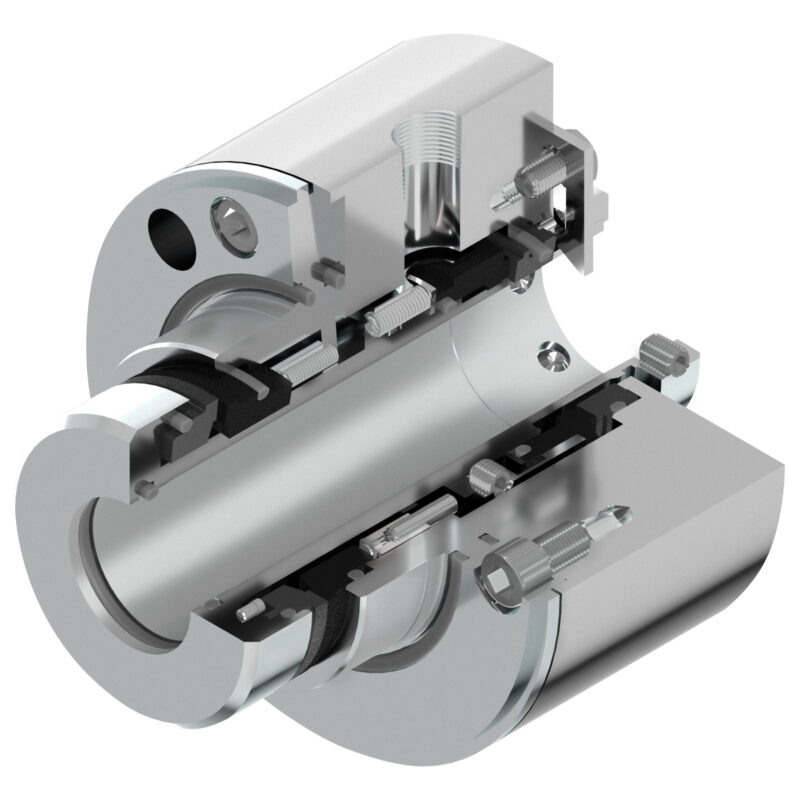
- Packing cases and packing rings — segmented sealing assemblies that prevent gas leakage along the piston rod.
- Cylinder liners and sleeves — replaceable wear surfaces that restore bore tolerances without requiring full cylinder replacement.
- Compressor valves — plate, poppet, or channel-style valves that control suction and discharge gas flow.
- Gaskets, O-rings, and static seals — used at cylinder heads, valve covers, and distance piece interfaces.
- Distance piece components — including wipers, oil scrapers, and vent connections.
Each part is engineered to match the tolerances of the original Ariel design, since even small deviations in bore diameter, ring gap, or valve lift can affect compression efficiency and seal life.
Technical Specifications
Buyers evaluating suppliers should request documented specifications rather than relying on general claims. Key technical parameters typically include:
- Material grade certification — for example, ductile iron or forged steel for liners, and PEEK or PTFE composite grades for rider bands and rings, each traceable to a mill certificate.
- Dimensional tolerances — bore diameter, ring end gap, and groove width held to OEM drawing tolerances, typically within a few thousandths of an inch.
- Pressure and temperature ratings — matched to the cylinder’s maximum allowable working pressure (MAWP) and process gas temperature range.
- Gas compatibility — resistance to H2S, CO2, and hydrocarbon condensates common in UAE sour gas fields, an important consideration given the sour gas content in fields such as Shah and Bab.
- Surface finish — bore and ring surface roughness values that influence break-in wear and lubrication retention.
- Compatibility mapping — cross-referenced to specific Ariel frame and cylinder model numbers, avoiding guesswork during procurement.
A supplier that provides this level of documentation gives engineering teams the data needed to validate fit-for-purpose before installation, reducing the risk of costly field rework.
Reliability and Precision
Reliability in cylinder parts stems from two factors: material consistency and manufacturing precision. Reputable suppliers use CNC machining and closed-loop quality inspection to hold tight tolerances across production batches, which matters because compressor packages often run multiple cylinders in parallel — any variance between parts can create uneven wear or vibration issues over time. Precision-machined liners and rings also support longer mean time between overhauls (MTBO), which is a key performance metric tracked by maintenance planners at gas processing facilities.
Traceability is another component of reliability. Parts accompanied by batch numbers, material certificates, and dimensional inspection reports allow maintenance teams to build a documented parts history for each compressor, which supports both internal reliability programs and third-party audits common in UAE oil and gas operations.
Typical Use Cases
Ariel cylinder parts are used across a range of applications relevant to the UAE energy sector, including:
- Gas gathering and boosting stations in onshore and offshore fields, where reciprocating compressors raise wellhead gas pressure for transport.
- Gas injection compression for enhanced oil recovery (EOR) programs.
- LNG feed-gas and boil-off gas compression at liquefaction and regasification terminals.
- Refinery and petrochemical process gas compression, including hydrogen and flare gas recovery systems.
- Vapor recovery units (VRUs) at storage and loading terminals, reducing hydrocarbon emissions.
In each of these settings, the compressor’s availability is tied closely to the condition of its cylinder-side components, making planned replacement cycles a routine part of maintenance scheduling.
Relevance to the UAE Market
The UAE’s gas processing infrastructure — including facilities operated by ADNOC Gas Processing, ADNOC Onshore, and associated service contractors — relies heavily on reciprocating compression for both production and gas injection duties. Regional conditions such as high ambient temperatures, sour gas composition, and remote field locations increase the operational value of sourcing from an Ariel Cylinder Parts Supplier capable of providing consistent lead times, compliant documentation, and parts suited to local gas chemistry. For procurement teams managing turnaround schedules, having a supplier that understands GCC import requirements, freight logistics into Jebel Ali or Khalifa Port, and regional stocking practices can materially reduce downtime risk compared to sourcing through distant, generalized aftermarket channels.
Procurement Considerations
When evaluating a supplier, procurement managers should confirm:
- Cross-reference accuracy to Ariel part numbers and cylinder frame models.
- Material certification and quality documentation availability.
- Lead time and stocking capability for the UAE and wider GCC region.
- Technical support for application-specific gas compatibility questions.
- Packaging and handling suited to long-distance freight and site storage conditions.
A supplier that satisfies these criteria functions as a genuine engineering partner rather than a simple parts vendor, which is the standard procurement teams should hold any prospective vendor to when qualifying suppliers for long-term contracts.
Conclusion
Cylinder parts are a small fraction of a compressor package’s overall cost but a significant factor in its reliability. For UAE-based operators running Ariel reciprocating compressors, working with a supplier that combines OEM-matched tolerances, documented material traceability, and regional logistics capability supports more predictable maintenance planning. Evaluating a prospective Ariel Cylinder Parts Supplier against the technical and procurement criteria outlined above helps ensure that replacement parts perform as expected across the compressor’s full service life.
Frequently Asked Questions
Q1: What are the main cylinder parts needed for Ariel reciprocating compressors?
The core components include piston rings, rider bands, packing cases, cylinder liners, compressor valves, and associated gaskets and seals, all matched to the specific Ariel cylinder frame model.
Q2: How do I confirm a part is compatible with my Ariel compressor?
Compatibility is confirmed by cross-referencing the Ariel model and frame number against the supplier’s part catalog, along with verifying bore diameter, pressure rating, and material grade.
Q3: Are aftermarket cylinder parts as reliable as OEM parts?
Quality aftermarket parts manufactured to OEM tolerances and material specifications, with documented certification, can perform reliably; the key differentiator is consistent quality control and traceability, not the brand label alone.
Q4: What materials are used for piston rings and rider bands in sour gas service?
PEEK and filled PTFE composites are commonly used for their chemical resistance to H2S and hydrocarbon condensates found in sour gas fields, along with suitable thermal stability at process temperatures.
Q5: How does location affect sourcing cylinder parts in the UAE?
Sourcing from a supplier with regional stocking or established freight routes into UAE ports reduces lead times for scheduled maintenance and emergency replacements compared to importing from distant global distributors.
Q6: How often do cylinder parts need replacement?
Replacement intervals depend on gas composition, operating hours, and cylinder loading, but most operators plan liner, ring, and packing replacement around scheduled turnaround intervals based on wear inspection data.