
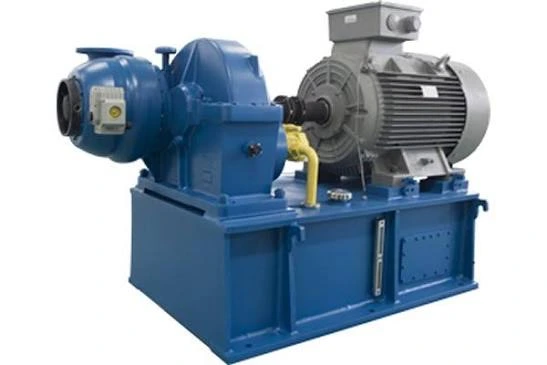
Rotary positive displacement blowers manufactured under the Howden brand are widely used across oil and gas, water treatment, cement, power generation, and marine industries in the UAE. Keeping these units running at rated efficiency depends on the timely replacement of worn or damaged components. This article provides a technical overview of Howden Blower Spare Parts, their specifications, and their role in maintaining reliable blower performance for facilities operating in the UAE and the wider GCC region.
Product Overview
This spare parts range covers the full set of components required to service and rebuild rotary lobe and screw-type blowers, including rotors, timing gears, mechanical seals, bearings, gaskets, silencers, relief valves, and drive couplings. These parts are manufactured to match original equipment tolerances, ensuring that clearances between rotors and casing remain within the narrow margins required for efficient, low-slip operation.
Because blower rotors operate at close clearances without lubrication in the compression chamber, even minor deviations in part dimensions can reduce efficiency or cause premature wear. For this reason, sourcing correctly specified replacement components is essential for facilities that depend on continuous airflow or gas handling, such as wastewater aeration basins, pneumatic conveying systems, and combustion air supply for industrial furnaces.
Technical Specifications
While exact specifications vary by blower model and frame size, Howden blower spare parts are generally categorized as follows:
- Rotor Assemblies: Two- or three-lobe rotor sets, precision-machined from cast iron or ductile iron, with coatings available for corrosive or abrasive service. Rotor profiles are matched to maintain consistent clearance across the full operating temperature range.
- Timing Gears: Helical or spur gears that synchronize rotor rotation without contact, typically manufactured to AGMA or DIN tolerance classes for quiet, low-backlash operation.
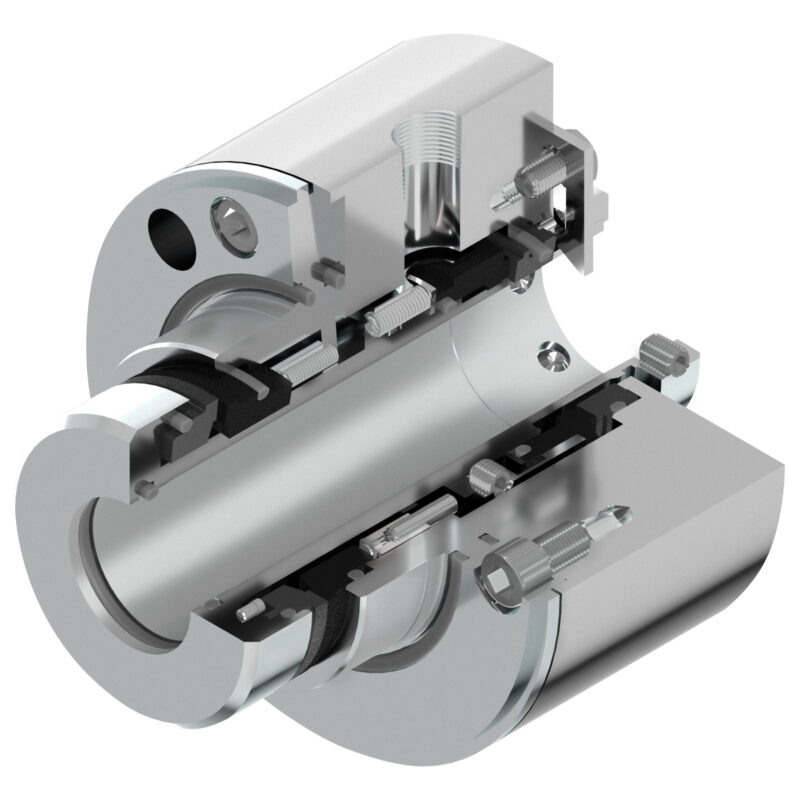
- Mechanical Seals and Shaft Seals: Labyrinth, lip, or mechanical seal options rated for differential pressures up to typical blower discharge pressures (commonly 0.3 to 1.0 bar(g), depending on stage configuration), preventing gas or oil leakage along the shaft.
- Bearings: Heavy-duty ball or roller bearings sized to absorb radial and axial loads from rotor operation, typically rated for continuous duty at variable speeds up to several thousand RPM depending on frame size.
- Gaskets and Seals: Chemically resistant gasket sets for casing joints, end covers, and flanged connections, selected based on the process gas or air temperature and composition.
- Relief Valves: Pressure-relief devices calibrated to protect the blower and downstream piping from overpressure events.
- Silencers and Filters: Inlet and discharge silencers with replaceable filter elements to control noise levels and prevent particulate ingress.
- Drive Components: V-belt sheaves, couplings, and drive shafts matched to motor output and blower input speed requirements.
Materials of construction typically include cast iron, ductile iron, hardened alloy steel for gears and shafts, and elastomers such as Viton or nitrile rubber for seals, chosen according to the operating environment.
Reliability and Precision
Reliability in rotary blower operation depends on maintaining manufacturer-specified clearances between the rotor lobes and between the rotors and casing. Howden Blower Spare Parts are produced to these original tolerances, which typically range within fractions of a millimeter depending on frame size. This precision limits internal gas slip, sustains volumetric efficiency, and reduces mechanical stress on bearings and seals during operation.
Consistent part quality also affects vibration and noise levels. Rotor sets and timing gears manufactured outside specified tolerances can introduce imbalance, leading to accelerated bearing wear and increased maintenance frequency. Using correctly specified spare parts helps facilities avoid unplanned downtime, particularly in continuous-process industries where blower failure can halt production or violate emissions and treatment compliance requirements.
Bearing and seal life is another key reliability factor. Properly rated bearings and seals, matched to the blower’s speed and pressure duty, extend service intervals and reduce the risk of lubricant contamination or gas leakage, both of which can compromise downstream equipment.
Typical Use Cases
These components support blower units used across a range of industrial applications, including:
- Wastewater Treatment: Aeration blowers supplying oxygen to activated sludge processes, where consistent airflow is critical to biological treatment performance.
- Pneumatic Conveying: Bulk material transport in cement, food processing, and chemical plants, where blowers provide the motive air for conveying powders and granules.
- Oil and Gas: Vapor recovery, flare gas boosting, and instrument air systems, often requiring corrosion-resistant or explosion-proof part configurations.
- Power Generation: Combustion air supply and ash handling systems in thermal power plants.
- Marine and Offshore: Ballast and bilge system blowers, as well as cargo handling on tankers and bulk carriers.
- Cement and Mining: Dust collection and material handling blowers operating in high-particulate environments.
Each of these applications places different demands on materials and sealing arrangements, which is why matching spare parts to the specific blower model, frame size, and service conditions is a necessary step before procurement.
UAE Applicability and Relevance
The UAE’s industrial base, spanning oil and gas processing, desalination, wastewater treatment, cement manufacturing, and marine operations, relies heavily on rotary blower technology for continuous process air and gas handling. Facilities in Abu Dhabi, Dubai, Sharjah, and the broader Emirates operate in high-ambient-temperature conditions, which places additional thermal stress on blower components and shortens replacement intervals for seals, bearings, and lubricants compared to temperate climates.
For procurement and maintenance teams in the UAE, sourcing genuine and compatible replacement components locally or through regional suppliers reduces lead times compared to importing directly from overseas manufacturers, which is particularly important for critical spares such as rotor sets and bearings that can otherwise take several weeks to arrive. Local stockholding of common wear parts—seals, gaskets, filter elements, and bearings—supports faster turnaround during planned maintenance shutdowns and unplanned failures alike.
Compliance with regional standards is also a consideration. Facilities operating under UAE environmental and safety regulations, including those governing wastewater discharge and industrial emissions, depend on blower reliability to maintain continuous treatment or process performance. Ensuring that replacement parts meet original specifications helps facilities maintain both operational continuity and regulatory compliance.
Procurement Considerations
When sourcing replacement components for Howden blowers, procurement managers and technicians should verify the following before placing an order:
- Blower model and frame size, typically found on the equipment nameplate.
- Serial number, which may affect part revisions or tolerances.
- Operating conditions, including gas composition, temperature, and pressure, which influence material and seal selection.
- Part number cross-reference, to confirm compatibility between OEM and aftermarket part numbering systems.
- Certification requirements, where applicable, for parts used in hazardous or classified environments.
Working with a supplier familiar with the UAE market and regional stock availability helps reduce the risk of specifying an incompatible part or facing extended delivery timelines.
Conclusion
Howden Blower forms a critical part of maintaining rotary blower performance across a wide range of industrial applications. Their precise manufacturing tolerances directly affect efficiency, noise levels, and service life, while correct specification ensures compatibility with the demanding operating conditions found in UAE industries. For engineers, technicians, and procurement teams managing blower assets, verifying part specifications against equipment nameplates and operating conditions remains the most effective way to maintain reliable, long-term blower performance.
Frequently Asked Questions
1. What components are included under Howden Blower Spare Parts?
The category typically includes rotor assemblies, timing gears, mechanical seals, bearings, gaskets, relief valves, silencers, filter elements, and drive components such as couplings and sheaves.
2. How do I identify the correct spare parts for my Howden blower?
Match the part number to your blower’s model, frame size, and serial number, which are listed on the equipment nameplate, before cross-referencing with the supplier’s catalog.
3. Why is clearance tolerance important in blower rotor parts?
Rotor and casing clearances are typically within fractions of a millimeter. Deviations from this tolerance increase internal gas slip, reduce efficiency, and can raise vibration and noise levels.
4. Are Howden Blower suitable for high-ambient-temperature environments like the UAE?
Yes, provided the correct seal, gasket, and lubricant specifications are selected for elevated ambient temperatures, which is a common consideration for facilities operating in the UAE.
5. How often should bearings and seals be replaced?
Replacement intervals depend on operating speed, duty cycle, and ambient conditions, but bearings and seals are generally classified as wear items requiring periodic inspection and replacement during scheduled maintenance.
6. Can aftermarket parts be used instead of OEM Howden parts?
Aftermarket parts manufactured to matching tolerances and material specifications can be used, provided they are verified against the original equipment’s dimensional and performance requirements.
7. What industries in the UAE commonly use Howden blowers?
Wastewater treatment, oil and gas processing, cement manufacturing, power generation, and marine operations are among the primary users of Howden rotary blowers in the UAE.