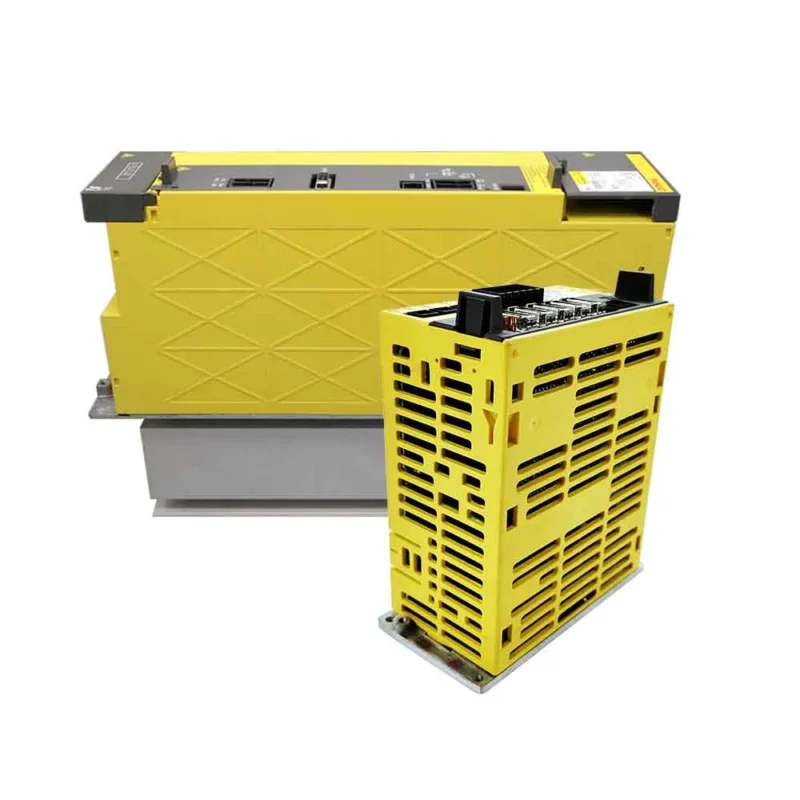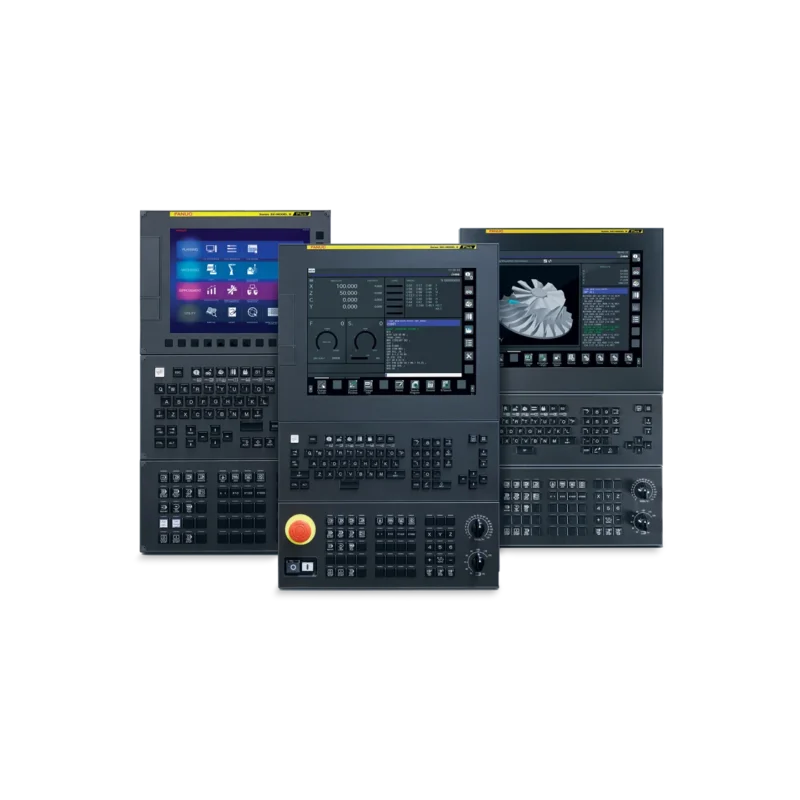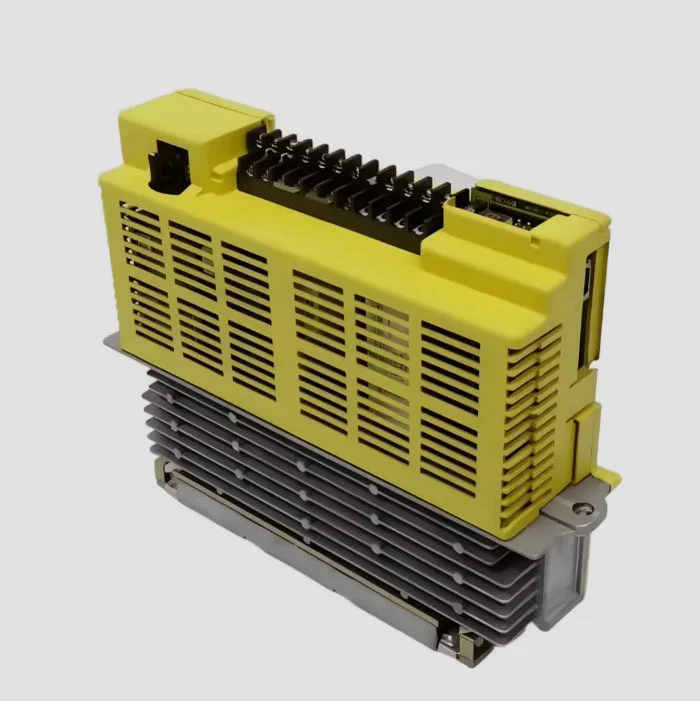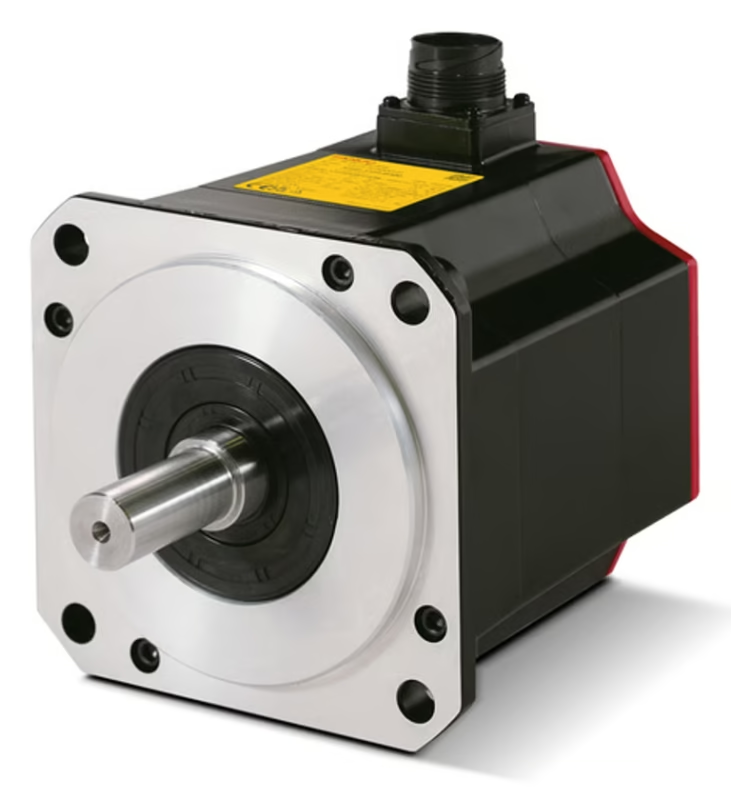

Industrial automation systems depend on components that perform consistently under demanding operating conditions. Among the most widely deployed control platforms in manufacturing, process industries, and infrastructure applications is the Siemens Simatic family of programmable logic controllers (PLCs), human-machine interfaces (HMIs), and related automation hardware. For engineers, technicians, and procurement teams sourcing these components, working with a reliable Siemens Simatic Parts Supplier is essential to maintaining uptime, ensuring compatibility, and meeting project timelines. This article provides a factual, technical overview of the Simatic product line, its specifications, and its applications across global industries.
What Is the Siemens Simatic Product Line?
Simatic is Siemens‘ portfolio of industrial automation products, encompassing PLCs (such as the S7-1200, S7-1500, and S7-300/400 series), HMI panels, distributed I/O modules, communication processors, and software tools for programming and diagnostics. These components are designed to work together as an integrated control ecosystem, allowing machine builders and system integrators to standardize hardware across multiple production lines and facilities.
Simatic controllers are used to manage discrete manufacturing processes, continuous process control, motion control, and safety-related functions. Because the platform spans a wide range of performance tiers, it is suitable for applications ranging from small standalone machines to large, distributed plant-wide control architectures.
Technical Specifications
Simatic components are engineered to defined industrial standards, and specifications vary by series and module type. Common technical characteristics include:
- CPU Processing: Integrated microprocessors with cycle times measured in microseconds per instruction, supporting real-time control logic.
- Memory: Configurable work and load memory, typically ranging from a few hundred kilobytes to several megabytes depending on the CPU model.
- I/O Capacity: Digital and analog input/output modules supporting voltage ranges such as 24V DC, with current ratings tailored to sensor and actuator loads.
- Communication Protocols: Support for PROFINET, PROFIBUS, Modbus TCP, and OPC UA, enabling integration with SCADA systems, MES platforms, and third-party devices.
- Operating Temperature: Most modules are rated for operation between 0°C and 60°C, with extended-range variants available for harsher environments.
- Ingress Protection: Standard enclosures typically meet IP20 ratings for control cabinet installation, with higher-rated options for field-mounted applications.
- Power Supply Compatibility: Designed for 24V DC control voltage, with redundant power supply options for high-availability systems.
- Diagnostics: Onboard LED status indicators and integrated diagnostic buffers for fault tracing and maintenance.
These specifications are documented in Siemens Simatic Parts Supplier‘ official technical manuals, and a qualified supplier should be able to provide datasheets, certificates of conformity, and firmware compatibility information for each part number requested.
Reliability and Precision
Reliability is a defining characteristic of the Simatic platform. The hardware is built for continuous, 24/7 operation in industrial environments, with components tested for vibration resistance, electromagnetic compatibility (EMC), and long-term thermal stability. Mean time between failures (MTBF) data for Simatic CPUs and I/O modules typically reflects design lifespans measured in years of continuous operation under rated conditions.
Precision is equally important. Simatic PLCs execute control logic with deterministic scan times, which is critical for applications requiring synchronized motion, tight process tolerances, or safety-rated response times. Analog I/O modules offer resolution options (commonly 12-bit to 16-bit) that support accurate measurement and control in applications such as temperature regulation, flow control, and pressure monitoring.
For facilities that depend on legacy systems, sourcing original or compatible replacement parts is critical to maintaining this level of precision. A dependable parts supplier helps ensure that replacement modules match original specifications, preventing calibration drift or communication mismatches that can occur when using non-compatible substitutes.
Typical Use Cases
Simatic components are deployed across a broad range of industries and applications, including:
- Discrete Manufacturing: Automotive assembly lines, packaging machinery, and material handling systems that require precise sequencing and high-speed I/O response.
- Process Industries: Chemical processing, water and wastewater treatment, and food and beverage production, where continuous process control and data logging are required.
- Building and Infrastructure Automation: HVAC systems, elevator controls, and energy management systems in commercial and industrial facilities.
- Machine Building (OEM Applications): Integration into standardized machine platforms sold across multiple regions, where consistent hardware selection simplifies maintenance and spare parts logistics.
- Retrofit and Modernization Projects: Replacement or upgrade of aging control systems in plants that were originally commissioned with earlier Simatic generations, such as the S7-300 or S7-400 series.
Because these use cases span nearly every major industrial sector, the demand for genuine, correctly specified replacement and expansion parts remains consistent across regions and industries.
Worldwide Applicability and Sourcing Considerations
Siemens Simatic Parts Supplier are installed in facilities across North America, Europe, Asia-Pacific, the Middle East, and Latin America, making component availability a global concern rather than a regional one. Manufacturing plants, utilities, and OEMs operating in multiple countries often standardize on Simatic hardware specifically because of its worldwide availability and the consistency of its technical documentation across markets.
This global footprint means that sourcing decisions frequently need to account for factors such as:
- Part Number Compatibility: Ensuring that a component ordered from one region matches the firmware and hardware revision used elsewhere in a multi-site operation.
- Export and Import Documentation: Working with a supplier familiar with cross-border shipping requirements for industrial electronics.
- Lead Time and Stock Availability: Particularly important for legacy or discontinued part numbers still in active use in older installations.
- Certification Requirements: Confirming that parts meet regional electrical and safety certifications relevant to the installation site.
An experienced parts supplier with international sourcing capability can help procurement teams manage these variables, reducing downtime risk for plants operating on tight maintenance schedules regardless of geographic location.
Working with Evaflux
Evaflux supplies Siemens Simatic PLCs, HMIs, I/O modules, and related automation components to engineers, system integrators, and procurement teams worldwide. As a SiemensSimatic, Evaflux focuses on part accuracy, documentation transparency, and responsive logistics to support both new installations and time-sensitive replacement needs. Customers can request technical datasheets, compatibility confirmation, and shipping information for specific part numbers before placing an order.
Conclusion
The Siemens Simatic platform remains a foundational technology in industrial automation due to its documented reliability, deterministic performance, and broad compatibility across control architectures. For technical buyers evaluating sourcing options, partnering with a knowledgeable Siemens Simatic Parts Supplier helps ensure that replacement and expansion components meet the same specifications as the original system design — supporting consistent performance across facilities, regions, and industries worldwide.