
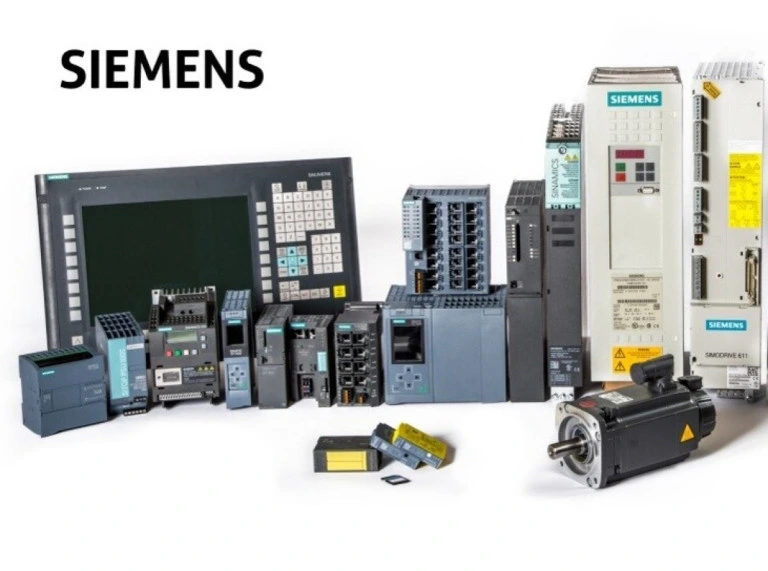
Power generation facilities, oil and gas installations, and heavy industrial plants rely on continuous equipment uptime. When a critical component fails or nears end-of-life, sourcing a dependable Siemens Energy Spare Parts Supplier becomes essential to maintaining operational continuity. This article outlines the technical characteristics, reliability standards, and application scope of Siemens Energy spare parts, and explains why global sourcing capability matters for procurement teams managing multi-site operations.
Understanding the Role of a Siemens Energy
A qualified Siemens Energy Spare Parts provides access to components engineered for gas turbines, steam turbines, generators, compressors, and auxiliary control systems used across power generation and industrial processing facilities. These parts range from rotating assembly components to electronic control modules, sensors, valves, seals, and bearings. Because Siemens Energy equipment is deployed across combined-cycle power plants, oil refineries, petrochemical facilities, and marine propulsion systems, the supply chain supporting these parts must be equally broad and technically capable.
Sourcing through an established supplier network reduces lead times, particularly for legacy equipment where original components may have long manufacturing cycles or limited availability. Suppliers with cross-referencing capability can identify OEM-equivalent parts that meet the same dimensional tolerances and material specifications as original Siemens Energy components.
Technical Specifications and Engineering Standards
Spare parts for Siemens Energy equipment are manufactured and tested to strict engineering benchmarks. Key technical characteristics typically include:
Material Composition: Components such as turbine blades, combustion liners, and rotor assemblies are produced from high-temperature nickel-based superalloys, stainless steel alloys, or specialized composites designed to withstand thermal cycling, oxidation, and mechanical fatigue.
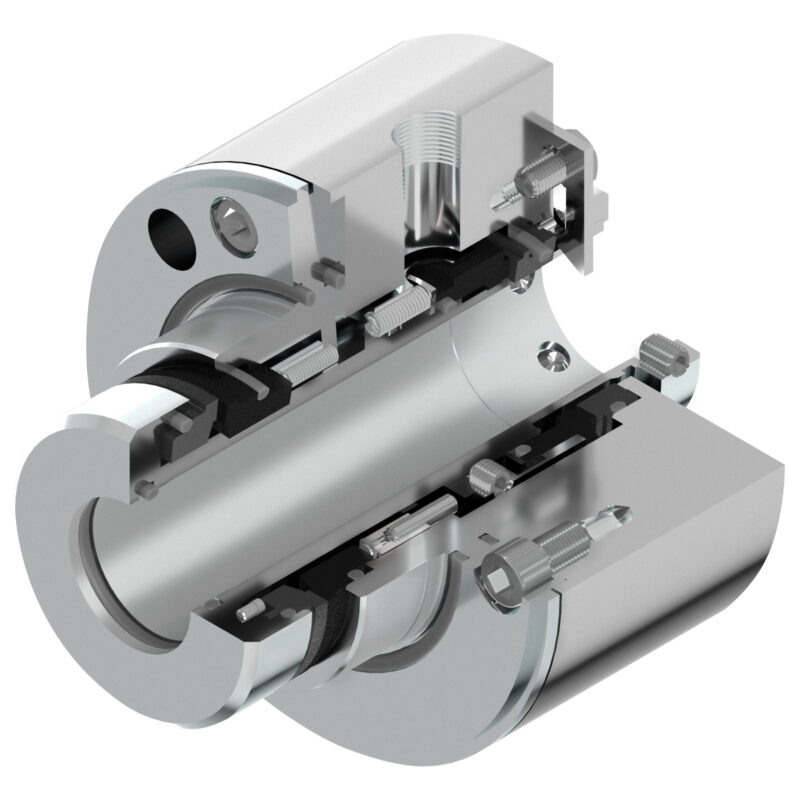
Tolerance and Precision Machining: Rotating parts, including bearings, seals, and shaft couplings, are machined to tolerances often measured in microns. This precision ensures balanced rotation, minimal vibration, and reduced wear during continuous operation at high rotational speeds.
Thermal Performance: Combustion system components are rated for operating temperatures that can exceed 1,300°C in gas turbine hot sections. Coatings such as thermal barrier coatings (TBCs) are applied to extend component life under extreme thermal loads.
Electrical and Control Compatibility: Control system parts, including sensors, actuators, and printed circuit boards, are designed for compatibility with Siemens Energy’s SPPA-T3000 and related control platforms, ensuring seamless integration without requiring system-wide recalibration.
Testing and Certification: Reputable suppliers subject parts to non-destructive testing (NDT), including ultrasonic testing, dye penetrant inspection, and radiographic examination, along with material certification traceable to mill test reports.
Reliability and Precision in Critical Applications
Reliability is not a secondary consideration in power generation and industrial equipment — it is the primary requirement. Unplanned outages caused by component failure can result in significant production losses, safety risks, and costly emergency procurement. For this reason, working with a proven Siemens Energy Spare Parts Supplier is central to a facility’s maintenance strategy.
Reliability in this context is demonstrated through several measurable factors:
- Dimensional Accuracy: Parts must match OEM specifications precisely to avoid installation issues or performance deviations.
- Material Traceability: Documentation confirming the origin and composition of raw materials supports quality assurance and regulatory compliance.
- Performance Consistency: Components must perform predictably across varying load conditions, temperatures, and duty cycles.
- Extended Service Life: Properly manufactured parts contribute to longer intervals between scheduled maintenance, reducing total cost of ownership.
Precision manufacturing directly affects turbine efficiency. Even minor deviations in blade geometry or seal clearance can alter airflow dynamics, reduce combustion efficiency, or increase mechanical stress on adjacent components. This is why technical documentation, quality certifications, and inspection reports are standard requirements when evaluating a spare parts supplier.
Typical Use Cases Across Industries
Siemens Energy spare parts support a wide range of applications, including:
Power Generation Plants: Gas and steam turbines used in combined-cycle and simple-cycle power plants require periodic replacement of hot gas path components, bearings, and control instrumentation.
Oil and Gas Facilities: Compressor trains and generator sets used in upstream and midstream operations depend on consistent spare parts availability to avoid production interruptions.
Petrochemical and Refining Operations: Process equipment powered by industrial turbines requires reliable spare parts to maintain continuous processing schedules.
Marine and Offshore Platforms: Generators and propulsion-support systems on offshore platforms and vessels require parts rated for corrosive marine environments.
Industrial Manufacturing: Facilities using Siemens Energy-driven compressors or generators for backup or primary power depend on timely component replacement to maintain production uptime.
Across these sectors, the common requirement is dependable access to correctly specified, quality-verified components — which is precisely the function a specialized Siemens Energy Spare Parts Supplier fulfills.
Worldwide Applicability and Relevance
Industrial and power generation facilities operate globally, spanning regions with differing climates, regulatory frameworks, and infrastructure conditions. A supplier capable of serving customers across multiple continents provides significant operational advantages, including:
- Consistent Component Quality: Standardized manufacturing and testing processes ensure that parts meet the same specifications regardless of destination.
- Regional Logistics Support: Efficient international shipping, customs documentation, and freight coordination reduce delivery timelines for urgent replacement needs.
- Multi-Region Compliance: Understanding of regional certification requirements, such as CE marking, API standards, or ISO certifications, supports smoother procurement processes for international buyers.
- Time Zone and Language Coverage: Global suppliers with distributed support teams can respond to technical inquiries and urgent orders across different working hours.
For procurement managers overseeing facilities in multiple countries, working with a supplier that demonstrates consistent worldwide service capability simplifies vendor management and strengthens supply chain resilience. This global relevance is a defining characteristic of a capable Siemens Energy Spare Parts, particularly for organizations managing distributed asset portfolios.
Key Considerations for Procurement Managers
When evaluating suppliers, procurement and maintenance teams should assess:
- Documentation Quality: Availability of material certificates, inspection reports, and compliance documentation.
- Cross-Reference Capability: Ability to match part numbers accurately across OEM and equivalent catalogs.
- Inventory Depth: Stock availability for both current and legacy equipment models.
- Technical Support: Access to engineers who can assist with part identification and application questions.
- Delivery Reliability: Track record of meeting shipping timelines for critical, time-sensitive orders.
Conclusion
Siemens Energy spare parts play a critical role in maintaining the operational integrity of power generation and industrial facilities worldwide. Their technical specifications — including precision machining, high-temperature material composition, and rigorous testing standards — directly support equipment reliability and extended service life across turbines, generators, and auxiliary systems. For engineers, technicians, and procurement managers responsible for equipment uptime, partnering with an established Siemens Energy Spare Parts Supplier offering global reach and technical documentation is a practical step toward reducing downtime risk and supporting long-term asset performance.