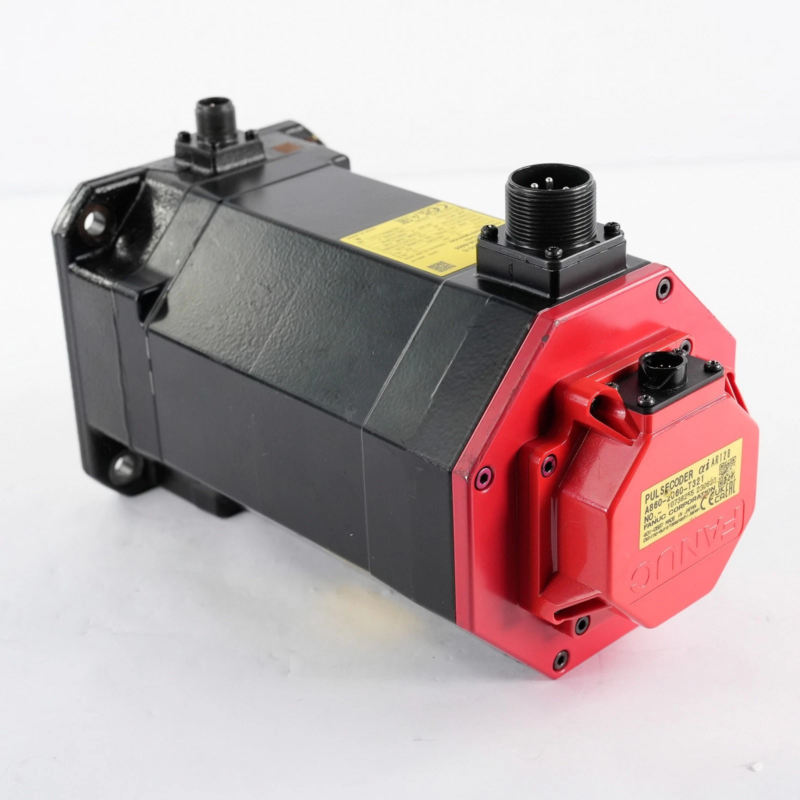

Industrial facilities across the United States depend on continuously running control systems, and even a single failed component can halt an entire production line. For engineers, maintenance technicians, and procurement managers responsible for keeping plants operational, having access to a dependable Industrial Automation Spare Parts Supplier USA is a core part of maintenance planning, not an afterthought. This article outlines what these spare parts consist of, the technical standards they must meet, and how they are applied across U.S. manufacturing, energy, and processing industries.
What Industrial Automation Spare Parts Include
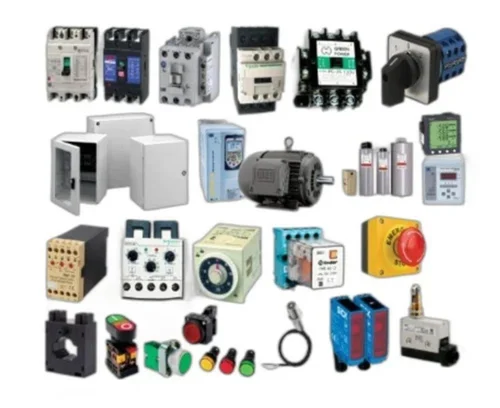
Industrial automation spare parts cover the physical and electronic components that keep programmable logic controllers (PLCs), distributed control systems (DCS), and related monitoring equipment functioning correctly. Typical categories include:
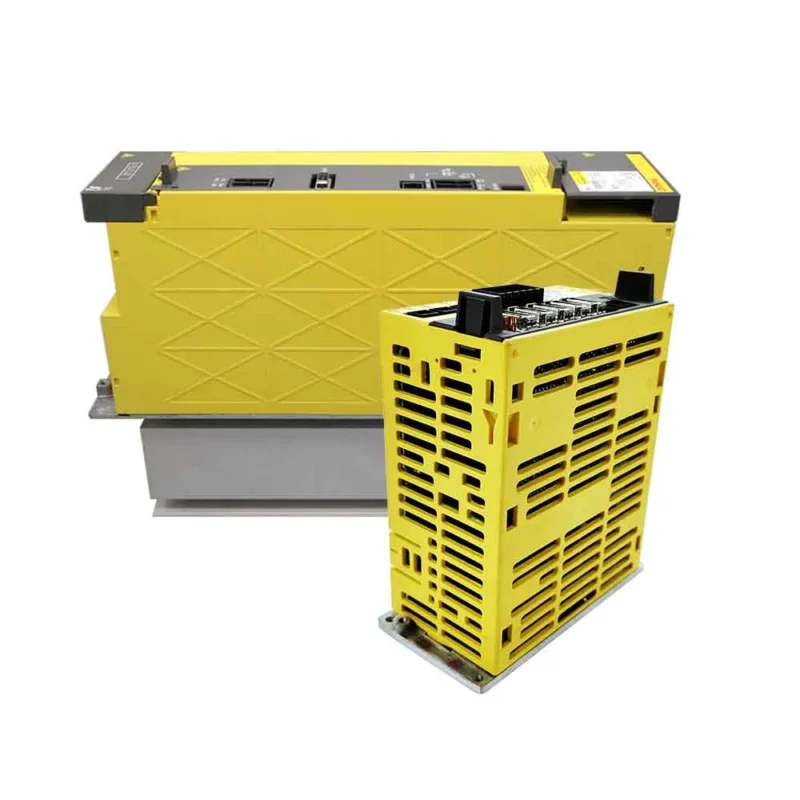
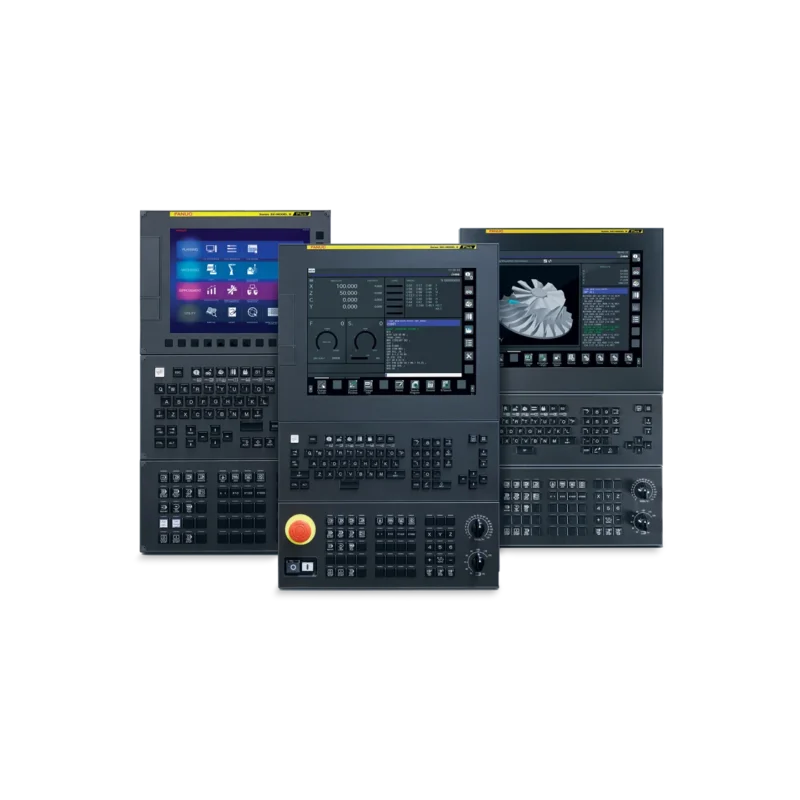
- PLC and DCS modules — CPU cards, input/output (I/O) modules, and processor units
- Communication interfaces — network cards, fieldbus modules, and protocol converters (Modbus, Profibus, Ethernet/IP)
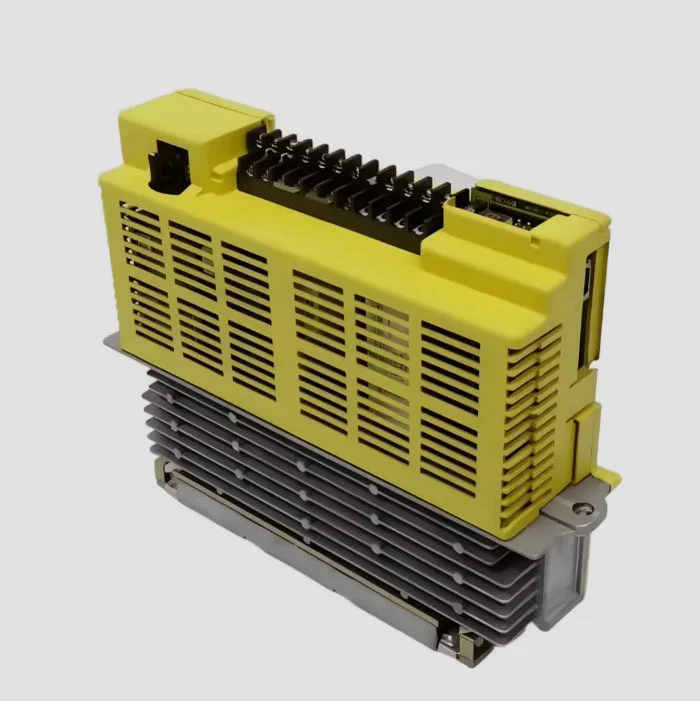
- Power supply units — regulated DC power modules that support control cabinets
- Sensors and transducers — temperature, pressure, vibration, and proximity sensors
- Control boards and relay modules — used for switching, signal conditioning, and logic execution
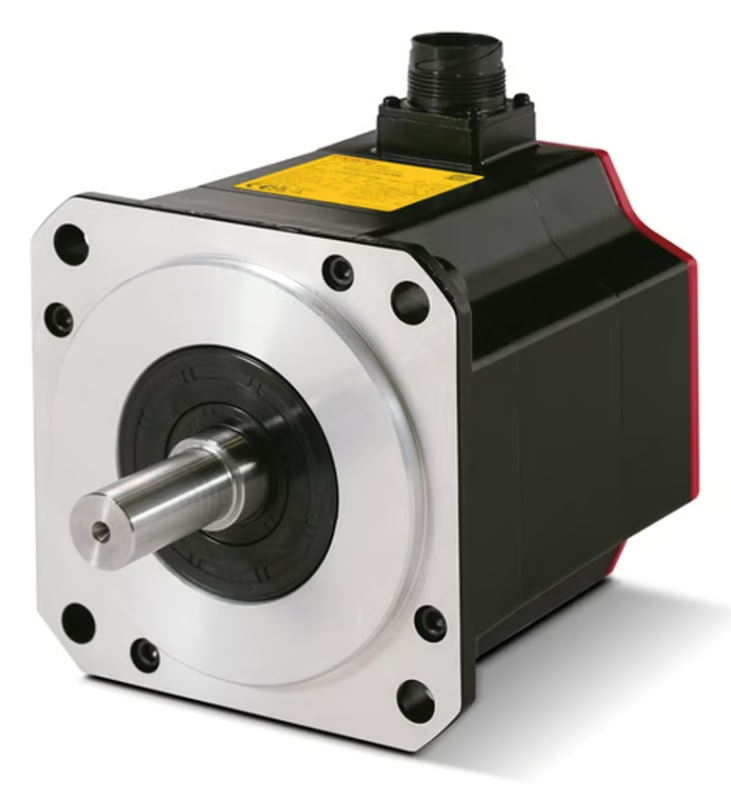
- Turbine and excitation system components — for power generation applications
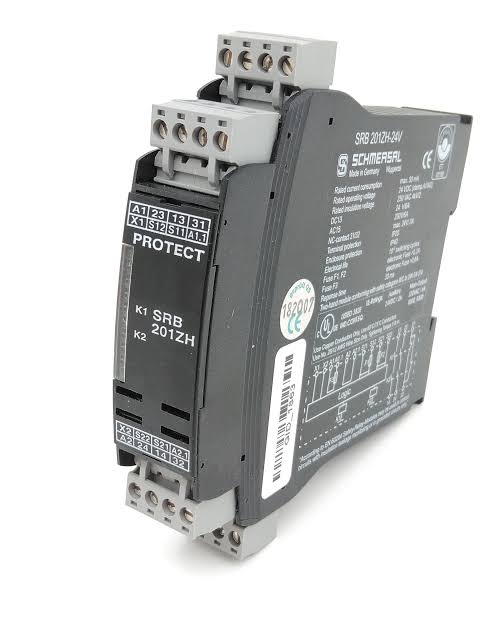
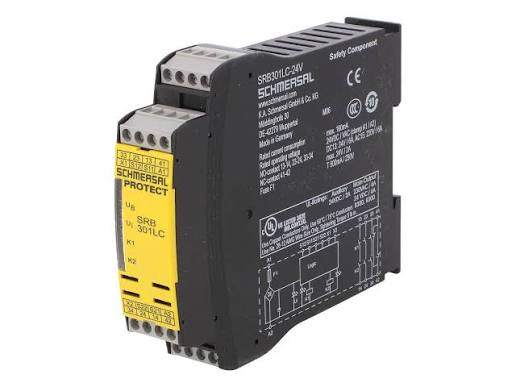
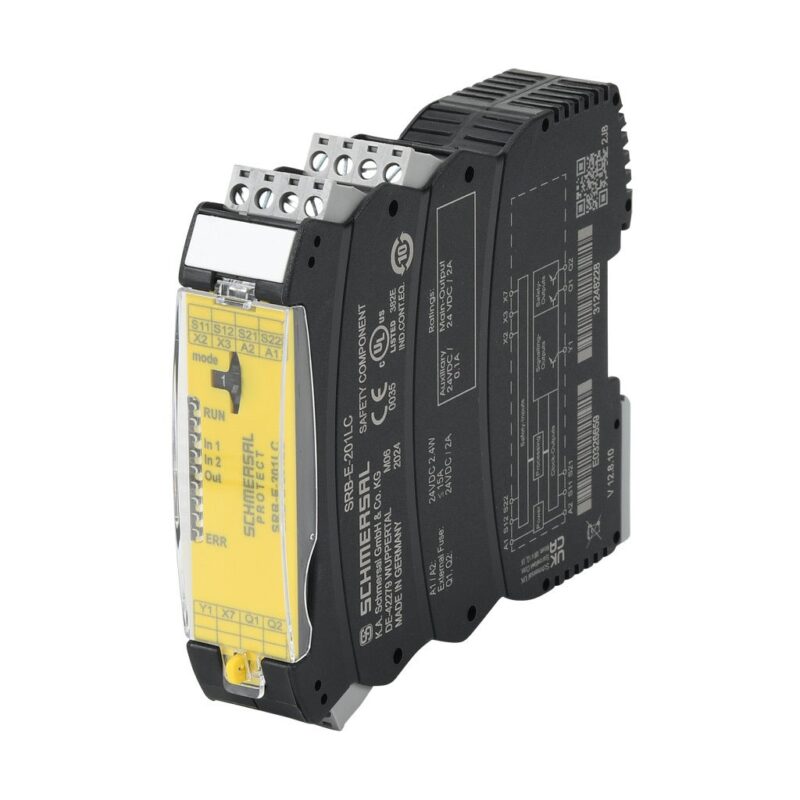
- Monitoring and protection devices — vibration monitors, speed probes, and safety relays
These components are typically sourced from established automation manufacturers such as Allen-Bradley, Honeywell, ABB, Siemens, GE, Yokogawa, Schneider Electric, Bently Nevada, Invensys Triconex, and Foxboro. Working with a supplier that maintains stock across multiple brands simplifies procurement, since plants often run mixed-vendor control architectures.
Technical Specifications to Evaluate
When selecting replacement parts, technical accuracy matters more than general compatibility claims. Buyers should confirm the following specifications before ordering:
- Exact part number and revision — automation components are frequently updated across hardware revisions, and even a minor version mismatch can cause firmware or communication errors.
- Voltage and current ratings — power modules and I/O cards must match the original system’s electrical specifications (commonly 24V DC, 110V AC, or 220V AC depending on the installation).
- Communication protocol support — network and interface cards must align with the plant’s existing fieldbus or Ethernet architecture.
- Environmental ratings — enclosure ratings (IP20, IP54, IP65, etc.) and operating temperature ranges should match the installation environment, particularly for outdoor or high-heat industrial sites.
- Certification standards — components used in U.S. facilities are generally expected to meet UL, CSA, or NEMA standards, along with any relevant NEC (National Electrical Code) requirements for panel-mounted equipment.
- Authenticity documentation — original manufacturer packaging, serial traceability, and test certificates confirm that a part is genuine rather than a reconditioned or grey-market unit.
Reviewing these details against the original equipment manual before purchase reduces the risk of installation delays or incompatible replacements.
Reliability and Precision in Automation Components
Reliability in this context refers to a component’s ability to perform consistently under continuous operating conditions, often in environments with vibration, heat, dust, or electrical noise. Precision refers to how accurately a part executes its function — for example, how closely a sensor’s output matches actual physical conditions, or how consistently a control card processes logic without drift over time.
Genuine automation spare parts are manufactured and tested to tighter tolerances than generic substitutes, which directly affects two operational outcomes:
- Reduced unplanned downtime, since parts built to original specifications are less likely to fail prematurely or cause cascading faults in connected systems.
- Maintained system accuracy, since sensors and control modules that drift out of calibration can introduce measurement errors that affect product quality or safety margins.
For plants operating under strict uptime targets — such as continuous-process manufacturing, power generation, and oil & gas facilities — this level of reliability and precision is not optional. It is a baseline requirement for maintaining production schedules and regulatory compliance.
Typical Use Cases Across Industries
Industrial automation spare parts are used wherever control systems manage continuous or repetitive processes. Common applications include:
- Manufacturing plants — replacing PLC I/O cards and relay modules in assembly line control panels
- Power generation facilities — servicing turbine control systems, excitation systems, and vibration monitoring equipment
- Oil & gas operations — maintaining DCS components and safety instrumented systems in refineries and processing units
- Water and wastewater treatment — supporting SCADA systems and sensor networks that monitor flow, pressure, and chemical dosing
- Food and beverage processing — replacing sensors and control boards that must meet hygiene and durability requirements
- Pharmaceutical manufacturing — maintaining validated control systems where component traceability is required for compliance
In each of these settings, the goal is the same: identify the correct replacement part quickly, confirm it matches the original specification, and install it with minimal disruption to the process.
Why Regional Availability in the USA Matters
For technical teams operating on tight maintenance windows, regional stock availability directly affects how quickly a system can be brought back online. A supplier maintaining U.S.-based inventory and logistics reduces the lead times associated with international shipping, customs clearance, and cross-border documentation — all of which can add days to an already time-sensitive repair.
Working with a U.S.-focused Industrial Automation Spare Parts Supplier USA also simplifies compliance considerations, since domestically stocked components can be sourced with documentation aligned to U.S. electrical and safety standards. This is particularly relevant for facilities in regulated sectors such as energy, water treatment, and pharmaceuticals, where part traceability and certification records are reviewed during audits.
Beyond speed, regional presence supports better technical communication. Local support teams are more likely to understand U.S. plant configurations, common legacy systems still in operation, and the specific brands widely deployed across American industrial facilities.
Procurement Considerations for Technical and Purchasing Teams
Procurement managers evaluating a supplier should look beyond price and confirm the following:
- Inventory breadth across multiple automation brands to avoid multi-vendor sourcing delays
- Testing procedures applied before parts are shipped, including functional and electrical testing
- Documentation support, including datasheets, certificates of conformity, and part cross-reference assistance
- Technical support availability for confirming compatibility before purchase
- Warranty terms on supplied components
These factors collectively determine whether a supplier can reliably support a facility’s long-term maintenance strategy, rather than serving as a one-time transactional source.
Sourcing Genuine vs. Reconditioned Parts
Not all replacement components on the market are equivalent, and this distinction matters more in automation than in many other equipment categories because control logic errors can propagate through an entire system. Buyers generally encounter three sourcing options:
- New, factory-sealed parts — sourced directly from the original manufacturer or an authorized distributor, with full documentation and warranty coverage.
- Reconditioned or refurbished parts — previously installed units that have been tested and restored, often used for legacy systems where new stock is no longer manufactured.
- Unverified or grey-market parts — components without clear sourcing history, which carry a higher risk of undocumented wear, counterfeit labeling, or firmware mismatches.
For most production-critical applications, new or properly tested reconditioned parts with clear documentation are the safer choice. Procurement teams should request test reports and traceability records before purchase, particularly for safety-related components such as protection relays and emergency shutdown modules, where an undocumented part could create a compliance gap during an audit or inspection.
Conclusion
Selecting a dependable Industrial Automation Spare Parts Supplier USA is a practical necessity for engineers, technicians, and procurement teams tasked with minimizing downtime and maintaining system accuracy. By confirming exact technical specifications, verifying part authenticity, and prioritizing suppliers with regional U.S. stock and documentation support, industrial teams can reduce repair timelines and keep automation systems operating within their designed reliability and precision tolerances.