
Reliable fluid handling is a core requirement across industries ranging from municipal water treatment to chemical processing, HVAC, and manufacturing. As a recognized Grundfos Pump Supplier, Evaflux provides access to a globally trusted pump range engineered for consistent performance, energy efficiency, and long-term durability. This article outlines the technical characteristics, reliability standards, precision engineering, and typical applications of Grundfos pumps, along with an overview of their relevance to buyers operating across different regions and industries.
Why Choose a Grundfos Pump
Selecting a qualified pump supplier for genuine Grundfos equipment is a critical step for procurement managers and engineers who need dependable equipment backed by verified specifications and consistent supply chains. Grundfos pumps are manufactured to meet international quality and performance standards, including ISO 9001 for quality management and ISO 14001 for environmental management. Working with an authorized supplier ensures that buyers receive genuine components, accurate technical documentation, and pumps that meet the exact performance ratings specified in Grundfos catalogs. This is particularly important for industries where pump failure can lead to costly downtime, safety risks, or non-compliance with regulatory standards.
Technical Specifications Overview
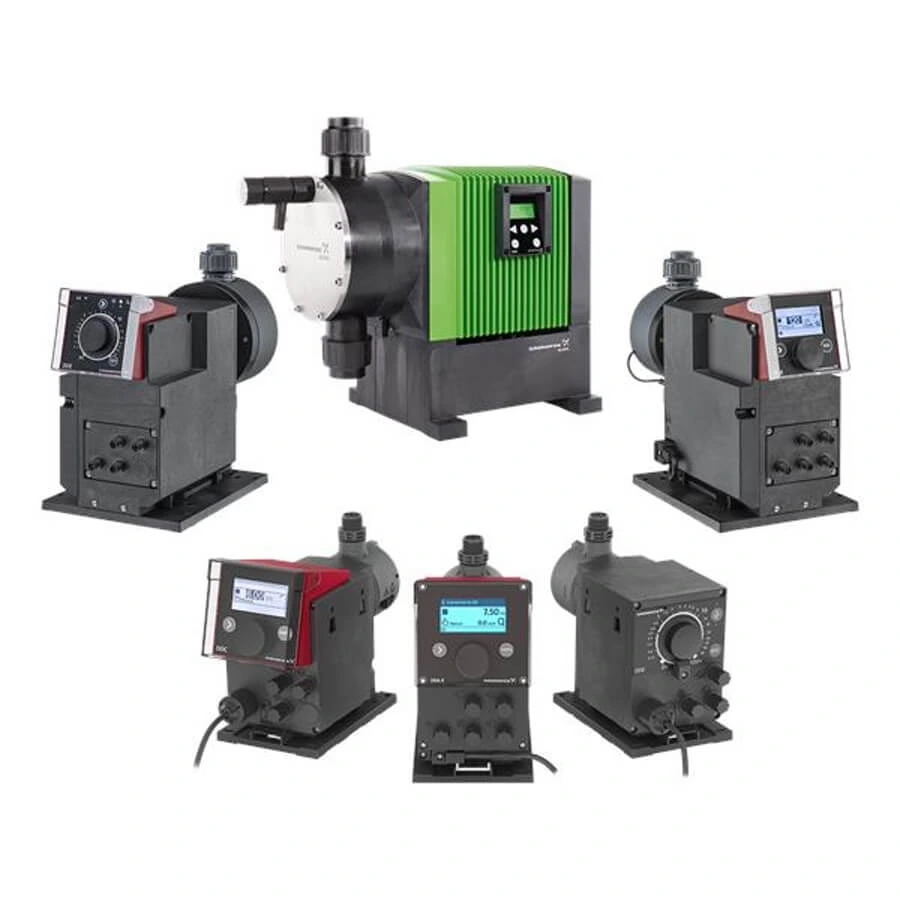
Grundfos manufactures a broad portfolio of pumps, including centrifugal pumps, submersible pumps, circulator pumps, and multistage pumps. While specifications vary by model and series, the following technical parameters are commonly referenced when evaluating Grundfos pump performance:
- Flow rate range: Typically from 0.1 m³/h in small circulator models up to several thousand m³/h in large industrial centrifugal pumps.
- Head range: Depending on series, discharge head can range from a few meters to over 300 meters for high-pressure multistage models.
- Motor power: Available from fractional horsepower units for residential circulation to motors exceeding 500 kW for heavy industrial duty.
- Materials of construction: Cast iron, stainless steel (AISI 304/316), and bronze variants are available depending on the fluid handled and corrosion resistance requirements.
- Operating temperature: Standard models typically operate between -20°C and +140°C, with specialized variants available for higher thermal loads.
- Efficiency ratings: Many models comply with IE3 and IE4 motor efficiency classes, and select ranges include integrated frequency converters for variable speed operation.
- Connection standards: Flanged connections conforming to DIN, ANSI, and ISO standards are available to suit regional piping requirements.
These specifications allow engineers to match pump selection precisely to system requirements, whether for low-flow domestic circulation or high-capacity industrial transfer applications.
Reliability and Build Quality
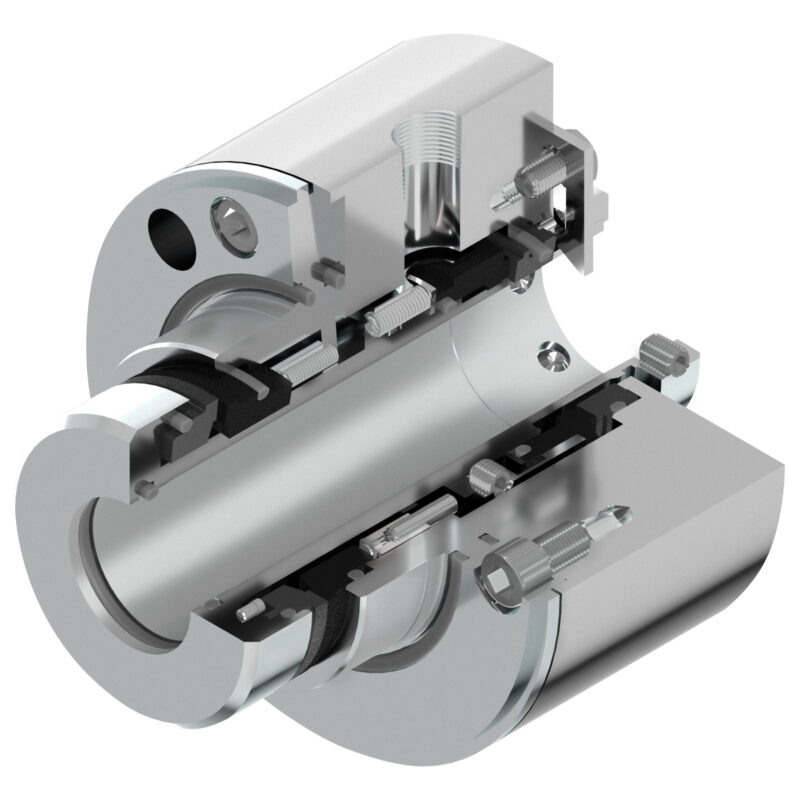
Reliability is one of the primary reasons procurement teams consistently return to a trusted Grundfos Pump Supplier when sourcing pumping equipment. Grundfos pumps are engineered with mechanical shaft seals, corrosion-resistant materials, and precision-balanced impellers designed to minimize vibration and wear over extended operating cycles. Many models incorporate condition-monitoring sensors that track temperature, pressure, and flow in real time, allowing maintenance teams to identify performance deviations before they result in unplanned downtime.
Manufacturing processes follow strict quality control protocols, including factory acceptance testing and hydrostatic pressure testing, which verify that each unit meets rated performance before dispatch. This level of consistency reduces the likelihood of field failures and supports predictable maintenance planning, both of which are critical for facilities operating continuous processes.
Precision Engineering and Performance Efficiency
Precision in impeller design, hydraulic profiling, and motor-pump coupling directly affects energy consumption and operational stability. Grundfos applies computational fluid dynamics (CFD) modeling during product development to optimize hydraulic efficiency and reduce cavitation risk across the pump’s operating range. Many pump series also feature Grundfos’s proprietary electronics for speed control, allowing pumps to adjust output based on real-time system demand rather than running at a fixed speed. This reduces energy consumption, extends component life, and improves overall system efficiency—an important consideration for facilities aiming to lower operating costs and meet sustainability targets.
Typical Use Cases
Grundfos pumps are deployed across a wide range of sectors due to their adaptability to different fluid types, pressure requirements, and system configurations:
- Water supply and treatment: Booster systems, raw water intake, and treated water distribution.
- Building services (HVAC): Heating and cooling circulation, domestic water supply, and pressure boosting in commercial and residential buildings.
- Industrial processing: Chemical dosing, wastewater handling, and process fluid transfer in manufacturing plants.
- Agriculture: Irrigation systems requiring consistent flow and pressure across variable terrain.
- Marine and offshore: Ballast, bilge, and cooling water systems requiring corrosion-resistant construction.
- District energy: Large-scale heating and cooling network circulation in urban infrastructure projects.
This versatility makes Grundfos pumps applicable across both new installations and retrofit projects where compatibility with existing piping and control systems is required.
Worldwide Applicability and Relevance
A key advantage of sourcing through an established, authorized supplier is the ability to specify equipment that performs consistently across different regulatory environments, climates, and infrastructure standards. Grundfos pumps are engineered to comply with multiple regional standards, including CE marking for the European market, UL and NSF certifications relevant to North America, and compliance frameworks recognized across the Middle East and Asia-Pacific regions. This standardization allows multinational engineering firms and procurement teams to specify a single product line across projects in different countries without redesigning system parameters for each region.
For businesses managing distributed facilities or export projects, working with a supplier that maintains consistent stock availability, documentation, and technical support across regions reduces procurement complexity. Evaflux supports this need by providing access to Grundfos product lines suited to varied operating conditions, from high-humidity coastal installations to high-temperature industrial environments, ensuring that specifications remain consistent regardless of project location.
Selecting the Right Grundfos Pump Supplier
When evaluating a supplier for Grundfos equipment, procurement managers should consider several factors beyond unit pricing: verified product authenticity, availability of technical datasheets, lead times for delivery, after-sales support, and the supplier’s ability to advise on correct pump sizing for the intended application. Incorrect sizing is one of the most common causes of inefficient pump operation, so access to qualified technical guidance during the selection process is a meaningful differentiator between suppliers.
Frequently Asked Questions
What types of Grundfos pumps are available through a supplier like Evaflux?
Centrifugal, submersible, circulator, and multistage pumps are available, covering applications from residential circulation to industrial fluid transfer.
How do I determine the correct pump size for my application?
Pump sizing depends on required flow rate, total dynamic head, fluid characteristics, and system pressure requirements. Consulting technical datasheets or supplier engineering support is recommended before final selection.
Are Grundfos pumps suitable for corrosive or high-temperature fluids?
Select models are available in stainless steel and other corrosion-resistant materials, with variants rated for elevated operating temperatures depending on the series.
Do Grundfos pumps meet international compliance standards?
Yes, many models comply with CE, UL, NSF, and other regional certifications, supporting deployment across multiple countries and regulatory environments.
What maintenance is typically required for Grundfos pumps? Maintenance requirements vary by model but generally include periodic seal inspection, bearing lubrication where applicable, and monitoring of vibration or temperature data on models equipped with sensors.
Can Grundfos pumps be integrated with building management or SCADA systems?
Many Grundfos models support integration with building management systems and industrial control platforms through standard communication protocols, enabling remote monitoring and control.