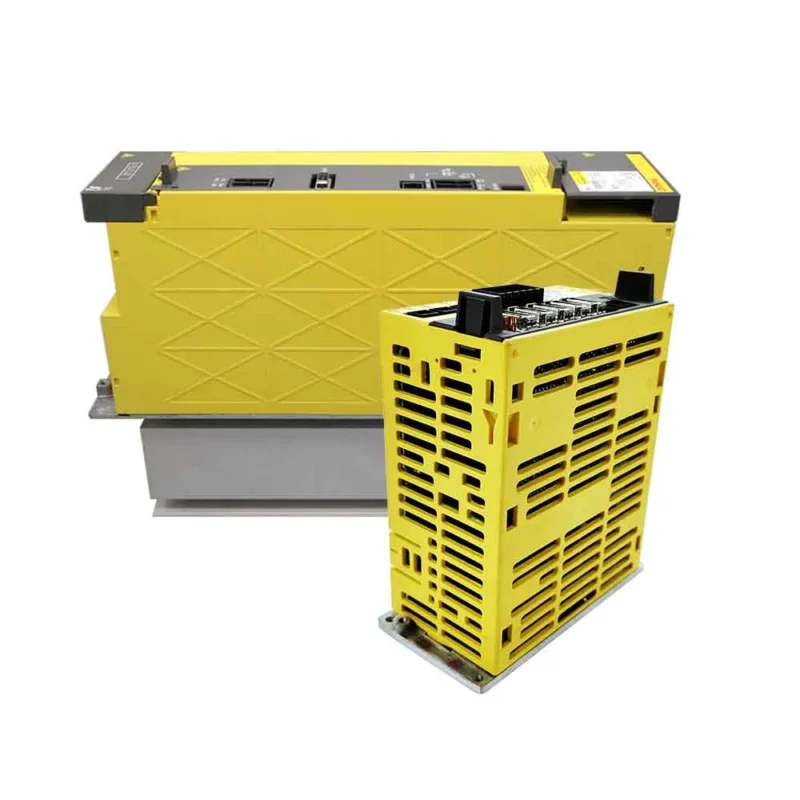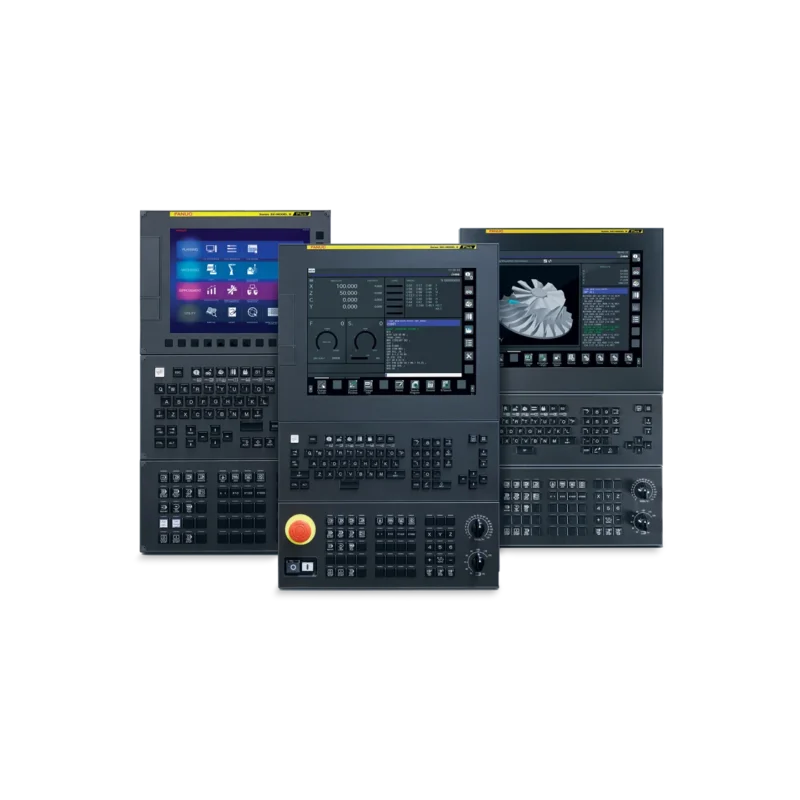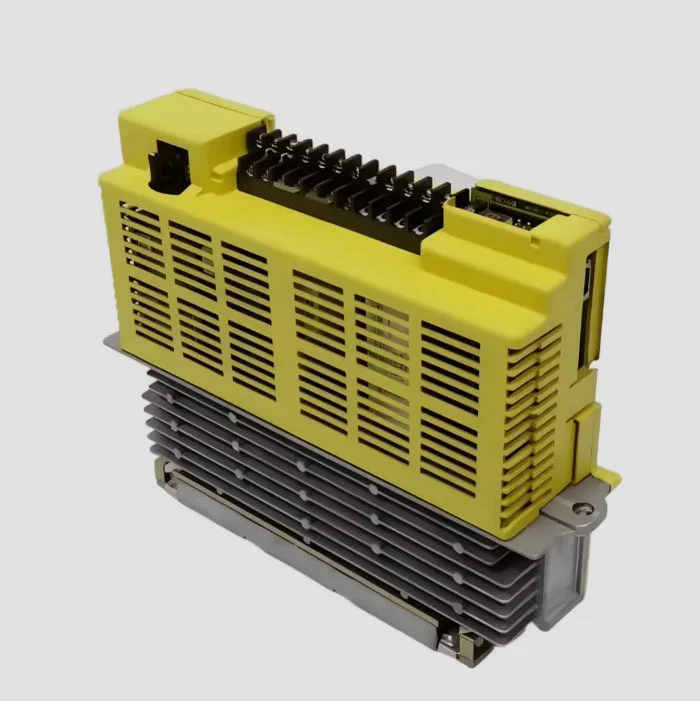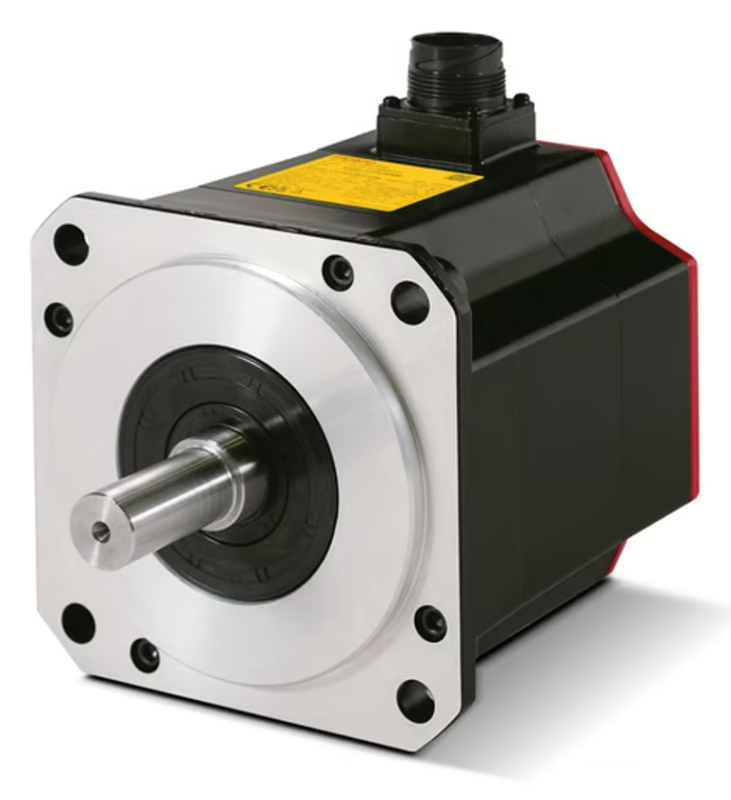

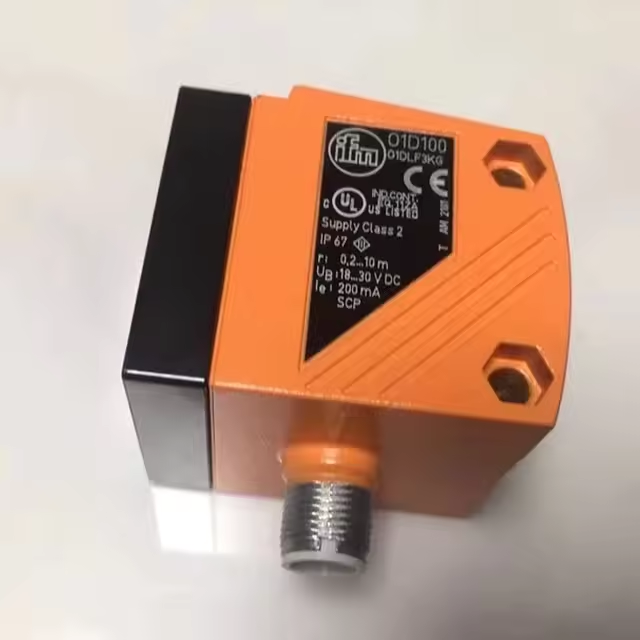
Industrial facilities depend on dependable sensing and control hardware to keep production lines running without interruption. Among the manufacturers trusted by plant engineers, maintenance teams, and procurement departments worldwide, this category of components occupies a well-established position due to its engineering consistency, broad application range, and long service life in demanding environments. This article provides a factual, technical overview of these components — covering their specifications, reliability characteristics, precision performance, and the industries that rely on them daily.
What Are IFM Automation Parts?
These components refer to the sensors, controllers, and monitoring devices manufactured under the IFM electronic brand, marketed globally under the “efector” product line. Founded in 1969 and headquartered in Essen, Germany, the manufacturer has grown into one of the larger producers of industrial sensors and control components, supplying products used in position sensing, process measurement, motion control, safety systems, and industrial communication networks.
The product category spans several functional groups:
- Inductive and photoelectric sensors for position and presence detection
- Laser distance sensors using photonic mixer device (PMD) technology for non-contact distance measurement
- Flow, pressure, and temperature sensors for process monitoring in liquids and gases
- RFID and identification systems for product tracking and traceability
- AS-Interface and IO-Link modules for streamlined field-bus communication
- Condition monitoring devices, including oil particle counters and vibration sensors
- 2D/3D vision systems built on time-of-flight imaging for robotics and logistics applications
Each subcategory is engineered to integrate into existing PLC, DCS, and SCADA architectures with minimal reconfiguration, which is one of the reasons these components remain in continuous demand across replacement, upgrade, and new-build projects.
Technical Specifications
While specifications vary by part number and sensor type, most components in this category share a common set of design characteristics that define their suitability for industrial environments:
- Supply voltage: Typically 18–30 V DC for sensor-class devices, matching standard industrial control voltages
- Protection rating: IP67 or higher on most field-mounted units, allowing operation in dust, moisture, and washdown conditions
- Connector type: M8/M12 quick-disconnect connectors for simplified installation and replacement
- Output types: PNP/NPN switching outputs, analog 4–20 mA or 0–10 V signals, and IO-Link digital communication
- Measuring ranges: Distance sensors commonly cover ranges from a few millimeters up to 10 meters, depending on the sensing technology used
- Resolution: High-precision optical sensors can achieve resolution down to 0.01 millimeters, suitable for fine positioning tasks
- Operating temperature range: Generally rated from -25°C to +70°C, with select models extended for harsh thermal environments
- Communication protocols: Support for IO-Link, AS-Interface, PROFINET, EtherNet/IP, and other common fieldbus standards
These figures illustrate the general engineering envelope of the category rather than a single fixed specification, since exact values depend on the individual part number, sensing principle, and intended application.
Reliability and Precision
Reliability is one of the defining characteristics associated with this component category. The devices are engineered for continuous-duty operation in environments where unplanned downtime carries a direct operational cost — power generation facilities, manufacturing lines, and oil and gas processing plants among them. Housing materials are typically selected for resistance to vibration, shock, and chemical exposure, and internal circuitry is designed with self-monitoring and diagnostic feedback in many product lines, allowing early detection of potential faults before they cause a full system failure.
Precision is equally central to the category’s design philosophy. Optical and laser-based sensors within this range are built to deliver consistent, repeatable readings even under variable lighting or high-speed conditions, which supports their use in tasks such as object counting on conveyor systems, stacking control in battery cell manufacturing, and fine positioning in assembly operations. This combination of durability and measurement accuracy is why procurement teams sourcing IFM Automation Parts typically evaluate not just unit cost, but total lifecycle performance, including mean time between failures and calibration stability.
Typical Use Cases
Given the breadth of the product category, application scenarios span multiple industrial sectors:
Manufacturing and assembly — Inductive and photoelectric sensors detect part presence, verify assembly steps, and support quality control checkpoints on production lines.
Power generation — Control modules and temperature sensors integrated into turbine and generator systems support continuous process monitoring and help maintain stable plant operation.
Oil and gas — Pressure, flow, and level sensors provide the process data required for safe and efficient handling of fluids in extraction, refining, and distribution operations.
Food and beverage processing — Conductivity and temperature sensors help differentiate between cleaning agents, product, and rinse water, supporting hygiene protocols and reducing waste.
Logistics and robotics — 3D vision systems and distance sensors enable object recognition, bin-picking, and navigation tasks in automated warehouses and robotic cells.
Machine tool and automotive production — High-shock, high-vibration-rated sensors withstand the mechanical stresses typical of metalworking and vehicle assembly environments.
Across each of these sectors, the underlying requirement is the same: dependable signal accuracy under continuous operating conditions, with straightforward integration into existing control infrastructure.
Worldwide Applicability and Relevance
IFM Automation Parts are used across manufacturing, energy, and process industries in North America, Europe, the Middle East, and the Asia-Pacific region, which reflects the standardized voltage, connector, and communication protocols built into the product range. Because facilities operating IFM-equipped systems exist globally, the ongoing need for genuine and rebuilt replacement components is a recurring procurement requirement rather than a one-time purchase. This global installed base is precisely why a dedicated product category page for this component range serves an international audience of engineers, maintenance planners, and procurement managers — all searching for the same part numbers, specifications, and sourcing assurances regardless of region. Standardized IP ratings, multilingual documentation, and common fieldbus compatibility further support cross-border deployment, making this category directly relevant to buyers evaluating suppliers on a worldwide basis rather than a purely local one.
Sourcing These Components Through Evaflux
Evaflux supplies industrial automation components — including sensors, control modules, and related hardware — to facilities across power generation, oil and gas, and manufacturing sectors. For buyers researching this product category, working with a supplier that maintains ready stock, verifies part authenticity, and offers responsive technical guidance reduces the risk of extended downtime during both planned maintenance and emergency replacement scenarios. Evaflux’s sourcing process emphasizes genuine components and, where applicable, professionally tested rebuilt units that meet or exceed OEM performance benchmarks, supporting facilities that require dependable parts without lengthy lead times.
Frequently Asked Questions
What industries commonly use IFM automation parts? They are used in manufacturing, power generation, oil and gas, food and beverage processing, logistics, and automotive assembly, among other sectors requiring reliable sensing and process control.
What communication protocols do these components support? Most current models support IO-Link, with additional compatibility for AS-Interface, PROFINET, and EtherNet/IP, depending on the specific device and generation.
What protection rating do IFM sensors typically carry? Most field-mounted sensors carry an IP67 rating or higher, allowing operation in environments with dust, moisture, or periodic washdown.
Can these parts be integrated into existing control systems? Yes. The components are designed with standard connector types (M8/M12) and common output signals (PNP/NPN, analog, IO-Link), which generally allows integration into existing PLC or DCS architectures with minimal reconfiguration.
Are rebuilt or unused units available, and how do they differ? Suppliers such as Evaflux offer both unused and professionally rebuilt units. Rebuilt components are tested and restored to meet or exceed OEM specifications, offering a lower-cost alternative for facilities managing budget-sensitive maintenance schedules.
How should a buyer verify part compatibility before ordering? Buyers should confirm the exact part number, voltage rating, connector type, and output configuration against their existing system documentation, and consult with the supplier’s technical team if any specification is unclear.
Conclusion
For engineers, technicians, and procurement managers evaluating industrial sensing and control hardware, IFM Automation Parts represent a well-documented, globally recognized category built around consistent voltage standards, robust protection ratings, and dependable output performance. Their applicability spans multiple industries and geographic regions, which makes accurate technical understanding — rather than promotional claims — the most useful basis for a sourcing decision. Buyers seeking genuine or professionally rebuilt units can rely on suppliers who verify authenticity, test performance against OEM benchmarks, and maintain the technical documentation needed to confirm compatibility before purchase.