
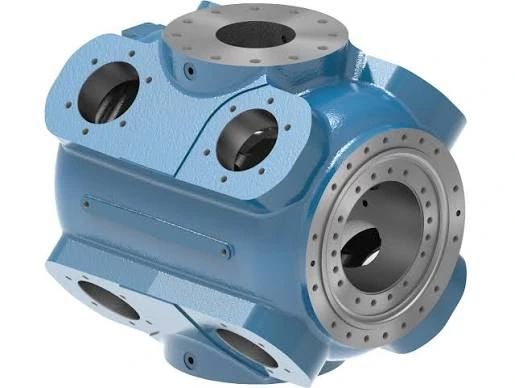
Reciprocating gas compressors are a backbone of oil and gas, petrochemical, and industrial gas operations across the Gulf region, and the components that keep them running reliably matter as much as the machines themselves. Among the widely used platforms in this space is the Ariel JGK Compressor Parts, a compact, single-throw compressor frame known for its use in gas gathering, gas lift, and vapor recovery applications. For engineers, technicians, and procurement teams sourcing dependable components in the UAE, understanding the specifications, function, and sourcing considerations for these parts is essential to minimizing downtime and maintaining compliance with operational standards.
This article provides a factual, technical overview of the parts associated with this compressor frame, their role in field operations, and why regional availability in the UAE is a practical consideration for plant reliability.
Understanding the Ariel JGK Frame and Its Component Ecosystem
The JGK model is part of Ariel Corporation’s line of reciprocating compressor frames, generally used in low-to-moderate horsepower applications where space and weight constraints matter, such as skid-mounted gas gathering units or wellhead compression packages. The frame supports a single throw configuration, meaning it typically pairs with one or two compression cylinders depending on the process requirement.
The components required to keep this frame operational fall into several functional categories:
- Cylinder components: liners, pistons, piston rings, and rider bands that manage compression and reduce metal-to-metal contact within the cylinder bore.
- Valve assemblies: suction and discharge valves, valve plates, springs, and seats that control gas flow direction and timing.
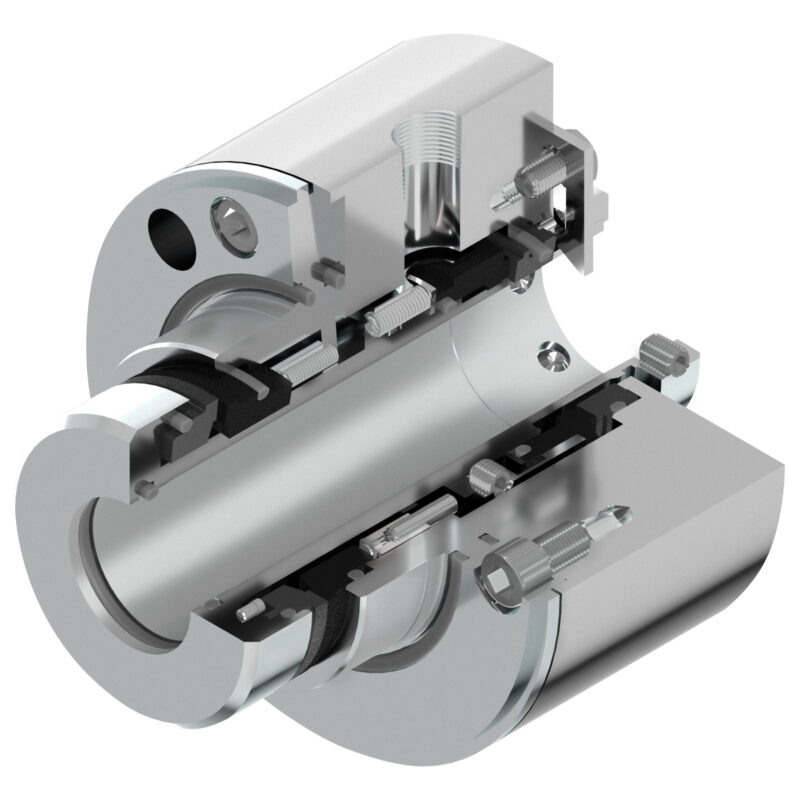
- Packing and sealing components: packing cases, packing rings, and wiper packing that prevent gas leakage along the piston rod.
- Crosshead and running gear: crossheads, crosshead pins, and crosshead shoes that convert rotary motion from the crankshaft into linear motion at the piston.
- Bearings and bushings: main bearings, connecting rod bearings, and crosshead pin bushings that support rotating and reciprocating loads.
- Lubrication system components: oil pumps, distributor blocks, and check valves associated with the frame and cylinder lubrication systems.
Each of these categories has a direct bearing on compressor uptime, and sourcing components that meet original specification tolerances is a recurring priority for maintenance planning teams.
Technical Specifications and Engineering Considerations
Parts within this category are manufactured to dimensional and material tolerances that correspond to the original frame and cylinder design. Key specification parameters include:
- Material composition: cylinder liners are commonly made from ductile or alloy iron for wear resistance; piston rings and rider bands often use filled PTFE composites or bronze alloys; valve plates typically use hardened tool steel or PEEK-based composites for sour gas service.
- Dimensional tolerances: bore diameters, rod diameters, and stroke lengths are held within thousandths of an inch to preserve compression ratios and prevent excessive wear or blow-by.
- Pressure and temperature ratings: components are rated to the cylinder’s maximum allowable working pressure (MAWP) and discharge temperature limits, varying by cylinder bore size.
- Gas compatibility: sealing and valve materials are selected based on process gas, ranging from sweet natural gas to sour gas containing H2S and CO2, common in several Middle East gas fields.
- Surface finish and hardness: cylinder bores and piston surfaces are finished to specified roughness (Ra) and hardness (HRC/HB) values to reduce friction and extend service intervals.
Deviations from these specifications, even minor ones, can affect compression efficiency, increase vibration, or shorten component life.
Reliability and Precision in Reciprocating Compressor Applications
Reciprocating compressors operate under cyclical loading, subjecting components to repeated stress reversals with each stroke. This makes dimensional precision and material consistency important, since out-of-tolerance parts can introduce vibration, uneven wear, or premature valve failure.
Reliability is generally assessed through:
- Consistent fit and tolerance matching with the original frame and cylinder assembly, reducing misalignment risk during installation.
- Material traceability, ensuring alloys and composites match the metallurgical requirements of the original design.
- Quality documentation, including material certificates and dimensional inspection reports, supporting maintenance recordkeeping and audit requirements common in oil and gas facilities.
- Compatibility verification against the cylinder and frame serial number, since configurations vary by bore, stroke, and service application.
Precision machining and quality control during manufacturing directly influence maintenance intervals, plant availability, and lifecycle cost.
Typical Use Cases
Compressors built on this frame type, and the parts that support them, are typically found in the following applications:
- Gas gathering systems, where wellhead gas is compressed for transport to a central processing facility.
- Vapor recovery units (VRUs), capturing and compressing vapors from storage tanks to reduce emissions and recover saleable gas.
- Gas lift operations, supplying compressed gas to artificially lift crude oil in mature wells.
- Booster compression, raising low-pressure gas to a level suitable for pipeline injection or further processing.
- Instrument and fuel gas systems, supplying conditioned gas for plant instrumentation or on-site fuel requirements.
These use cases are common across upstream and midstream gas operations, where compact, skid-mounted units are preferred for their footprint and ease of transport to remote well sites.
Relevance for UAE-Based Oil, Gas, and Industrial Operations
The UAE’s energy sector, spanning onshore and offshore gas fields, gas processing plants, and industrial gas distribution networks, relies heavily on reciprocating compression equipment for both production and midstream operations. Given the region’s exposure to high ambient temperatures, sour gas services in several fields, and the operational demand for continuous plant uptime, sourcing dependable components locally or through suppliers with regional stock carries practical advantages.
For maintenance planners and procurement managers operating in the UAE, key considerations when sourcing Ariel JGK Compressor Parts include:
- Reduced lead times through regional stocking, which shortens the gap between a failure event and a return to service.
- Climate-adapted material selection, since high ambient temperatures can affect lubrication viscosity and seal material performance.
- Sour gas compatibility, relevant to fields with elevated H2S content requiring corrosion-resistant valve and sealing materials.
- Compliance with local procurement and quality standards, including documentation required by UAE-based EPC contractors and national oil companies.
- Support for both scheduled turnarounds and emergency replacement, given the criticality of compression uptime in continuous gas processing operations.
Evaflux positions its product category page for Ariel JGK Compressor Parts to serve this regional need, offering technical support and part cross-referencing for maintenance teams working across the UAE’s oil, gas, and industrial gas sectors.
Sourcing Considerations for Procurement Teams
When evaluating suppliers, procurement managers typically assess:
- Whether the supplier can provide dimensional drawings or datasheets for cross-verification against original specifications.
- Material certification (such as mill test certificates) for critical wear components.
- Warranty terms and return policies for parts that do not meet fit or performance expectations.
- Technical support for identifying correct part numbers based on frame and cylinder serial numbers.
- Logistics capability suited to regional delivery timelines within the UAE and broader GCC region.
A structured sourcing approach reduces the risk of installing incompatible or substandard components, which can lead to repeat failures and unplanned downtime.
Frequently Asked Questions
What compressor frame do these parts support?
These components are designed to support the Ariel JGK single-throw reciprocating compressor frame, commonly used in gas gathering, gas lift, and vapor recovery applications.
Are these parts suitable for sour gas service?
Many components, including valve plates and packing materials, are available in metallurgies and composites suited to sour gas environments containing H2S and CO2, subject to the specific application requirements.
How do I identify the correct part for my compressor?
Correct part identification typically requires the frame model, cylinder bore size, and unit serial number, which allow cross-referencing against original specification drawings.
Why does regional availability in the UAE matter?
Regional stocking reduces lead times for both planned maintenance and emergency replacement, which is important for continuous gas processing and production operations where downtime carries operational cost.
What documentation should accompany a part order?
Buyers typically request material certificates, dimensional inspection reports, and compatibility confirmation against the original frame and cylinder specification.
Can these parts be used in industrial gas applications outside oil and gas?
Yes. The same frame and component types are also used in industrial gas boosting and vapor handling applications outside the upstream oil and gas sector, wherever compact reciprocating compression is required.
Summary
Selecting the correct components for a reciprocating compressor frame requires attention to material specification, dimensional tolerance, and gas service compatibility. For engineers, technicians, and procurement managers working across the UAE’s energy and industrial gas sectors, understanding these technical requirements supports more informed sourcing decisions and contributes to consistent plant uptime. Evaflux’s product category page for Ariel JGK Compressor Parts is structured to provide the technical detail and regional support that maintenance and procurement teams require when specifying replacement components for this compressor platform.