
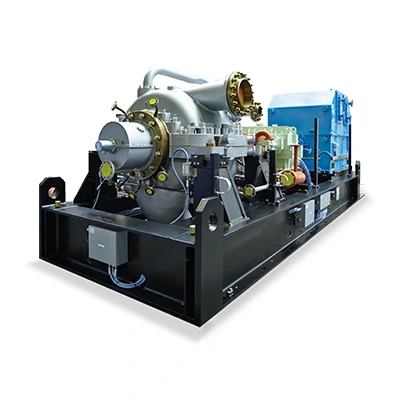
Gas compression is a core process in oil and gas production, petrochemical processing, and industrial gas handling. Selecting equipment that performs reliably under demanding operating conditions is essential for plant uptime and process safety. Howden Gas Compression Equipment is engineered for exactly this purpose, offering a range of compressor technologies built for continuous industrial duty. This article provides a technical overview of the product line, its specifications, and its relevance to operators in the UAE and the wider Gulf region.
Product Overview
Howden gas compressors are designed to handle a wide range of gases, including natural gas, hydrocarbon vapors, process gases, and specialty gases used in refining and petrochemical operations. The product range covers reciprocating compressors, rotary screw compressors, and centrifugal blowers, each suited to different pressure ratios, flow rates, and gas compositions.
These units are typically supplied as packaged systems, integrating the compressor, driver (electric motor or gas engine), lubrication system, cooling arrangement, and control instrumentation into a single skid-mounted assembly. This packaging approach simplifies installation, reduces field engineering work, and shortens commissioning timelines for end users.
Technical Specifications
While exact specifications vary by model and application, Howden gas compression units generally share the following characteristics:
- Discharge pressure range: from low-pressure vapor recovery (below 5 bar) up to high-pressure gas gathering and injection applications (300+ bar), depending on compressor type
- Flow capacity: ranging from small skid units handling a few hundred cubic meters per hour to large centrifugal trains processing several hundred thousand cubic meters per hour
- Driver options: electric motors, gas engines, or steam turbines, selected based on site power availability and process requirements
- Materials of construction: carbon steel, stainless steel, and specialty alloys for sour gas (H2S) or corrosive service, in line with NACE MR0175/ISO 15156 requirements where applicable
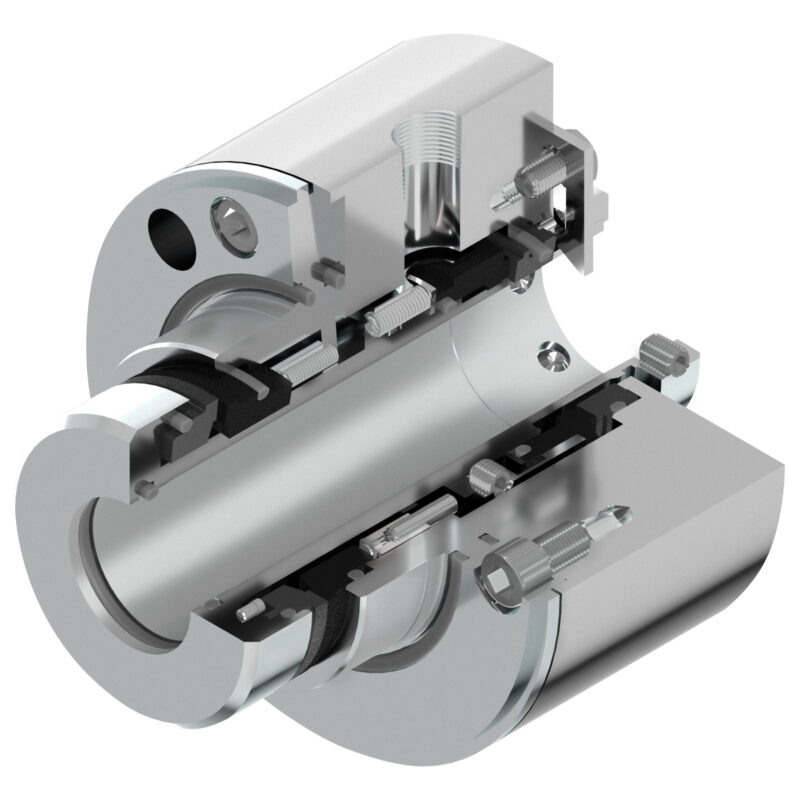
- Sealing systems: dry gas seals for centrifugal compressors and packing systems for reciprocating units, designed to minimize fugitive emissions
- Control systems: PLC-based control with anti-surge protection, vibration monitoring, and remote diagnostics capability
- Compliance: designed to API 618 (reciprocating), API 619 (rotary), and API 617 (centrifugal) standards where required by the application
These specifications allow the equipment to be configured for gathering, boosting, reinjection, vapor recovery, and process gas compression duties across upstream, midstream, and downstream operations.
Reliability and Precision
Reliability is a primary consideration for any gas compression asset, given the operational and safety consequences of unplanned downtime. This equipment incorporates several design features aimed at extended service life and predictable performance:
- Rotor and bearing design optimized to reduce mechanical wear and extend maintenance intervals
- Vibration and temperature monitoring integrated into the control package, allowing early detection of developing issues before they escalate into failures
- Precision-machined internal components, which help maintain consistent compression ratios and reduce internal leakage losses over the equipment’s operating life
- Modular maintenance design, allowing components such as valves, seals, and pistons to be serviced without full disassembly of the unit
Precision in compression ratio and flow control is particularly important in processes where gas composition or pressure must be held within tight tolerances, such as gas reinjection for reservoir pressure maintenance or feed gas conditioning ahead of a treatment unit. The equipment’s control systems are designed to maintain these tolerances across varying ambient and load conditions.
Typical Use Cases
This equipment is applied across several stages of the oil and gas value chain, as well as in adjacent industrial sectors:
- Upstream gas gathering – compressing wellhead gas for transport to processing facilities
- Gas reinjection – boosting gas pressure for reinjection into reservoirs to maintain formation pressure and support enhanced oil recovery
- Vapor recovery – capturing and compressing hydrocarbon vapors from storage tanks and process vessels to reduce flaring and emissions
- Refinery and petrochemical process gas handling – compressing hydrogen, fuel gas, and other process streams within refining and chemical plants
- Gas processing plants – supporting dehydration, sweetening, and NGL recovery processes where gas must be compressed between process stages
Each of these applications places different demands on the compressor in terms of gas composition, pressure ratio, and duty cycle, which is why Howden offers multiple compressor types rather than a single standardized unit.
Relevance for UAE Operations
The UAE’s oil and gas sector, spanning onshore and offshore fields in Abu Dhabi, Dubai, and the Northern Emirates, relies heavily on gas compression for gathering, boosting, and reinjection operations. Given the region’s focus on maximizing recovery from mature and new fields, along with associated gas monetization initiatives, dependable compression equipment is a practical necessity rather than an optional upgrade.
Operating conditions in the UAE, including high ambient temperatures, sandy environments, and offshore humidity, require equipment that can maintain performance without frequent intervention. Howden Gas Compression Equipment is available in configurations suited to these conditions, including enhanced cooling packages and corrosion-resistant materials for coastal and offshore installations.
For procurement teams and engineers sourcing compression equipment in the UAE, working with a regional supplier that understands local project timelines, spare parts logistics, and regulatory requirements (including ADNOC and other operator-specific technical standards) can materially reduce project risk. Evaflux supports UAE-based operators with sourcing, technical documentation, and after-sales support for this equipment, helping ensure equipment selection aligns with both technical requirements and local operating conditions.
Frequently Asked Questions
What gases can this equipment handle?
The equipment is designed to compress natural gas, associated gas, hydrocarbon vapors, hydrogen, and various process gases used in refining and petrochemical operations, with material selection adjusted for corrosive or sour gas service where needed.
What compressor types are available in the Howden range?
The range includes reciprocating compressors, rotary screw compressors, and centrifugal blowers, selected based on required pressure ratio, flow rate, and gas properties.
Is the equipment suitable for offshore installations in the UAE?
Yes. Configurations with corrosion-resistant materials and enhanced cooling systems are available for offshore and coastal environments typical of UAE operations.
What standards does the equipment comply with?
Depending on compressor type, units are designed to relevant API standards, including API 618, API 619, and API 617, along with NACE MR0175/ISO 15156 for sour service where applicable.
How is maintenance typically handled for these units?
The modular design allows components such as seals, valves, and pistons to be serviced without full disassembly, and integrated monitoring systems support condition-based maintenance planning.
Conclusion
For engineers, technicians, and procurement managers evaluating compression solutions, understanding the technical basis of available equipment is a necessary step before specification. Howden Gas Compression Equipment provides a documented range of compressor technologies suited to upstream, midstream, and downstream gas handling, with configurations available for the operating conditions found across UAE oil and gas facilities. Buyers seeking further technical detail, including datasheets and application-specific configurations, can consult Evaflux for product documentation and regional support.