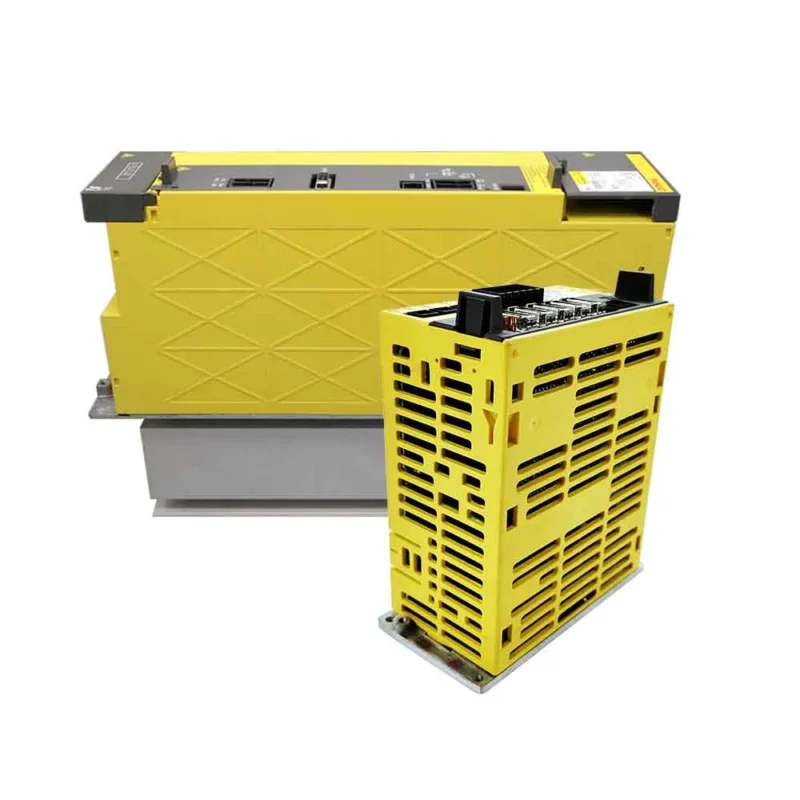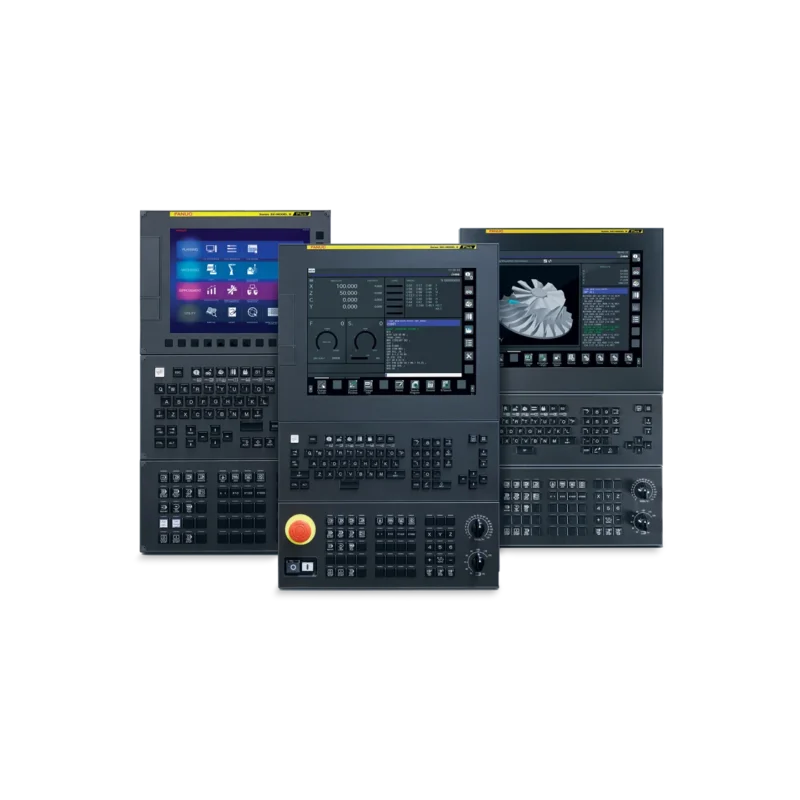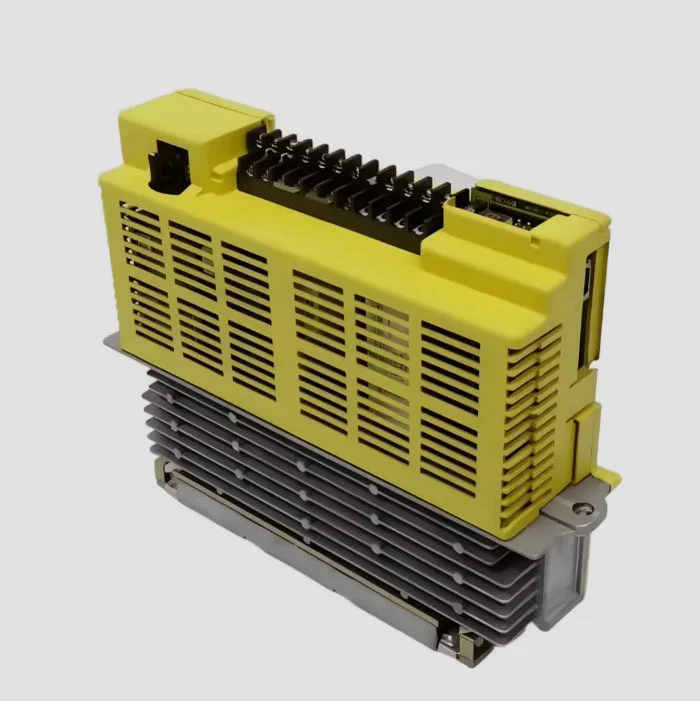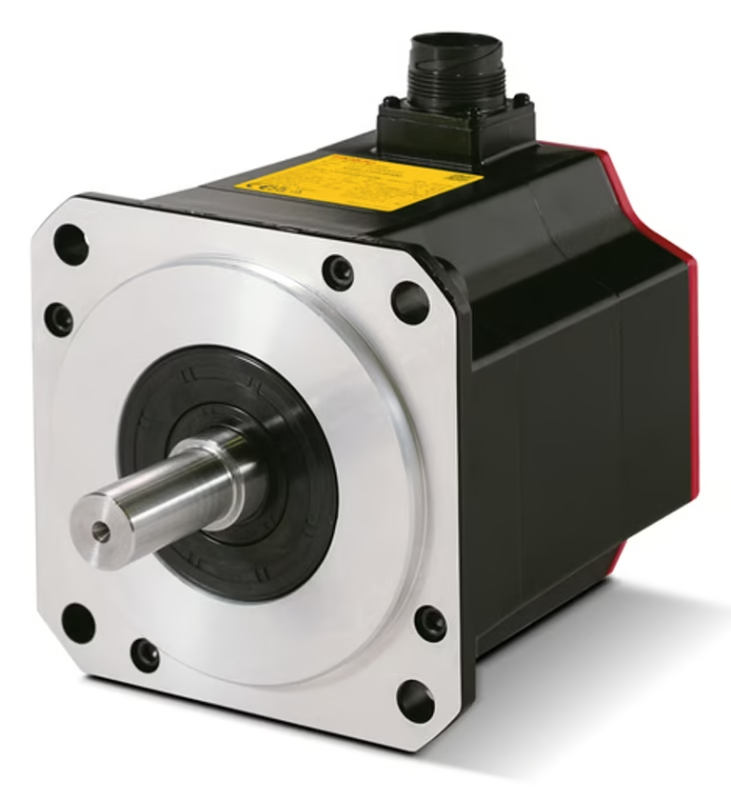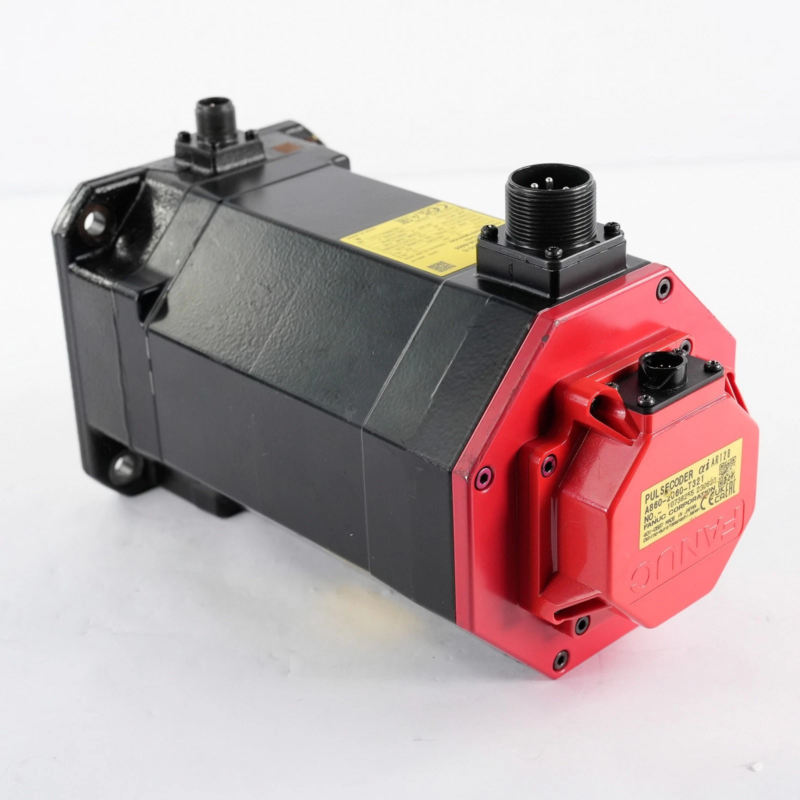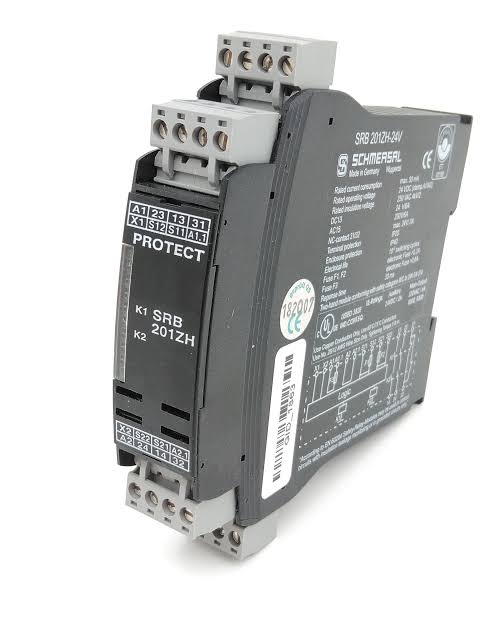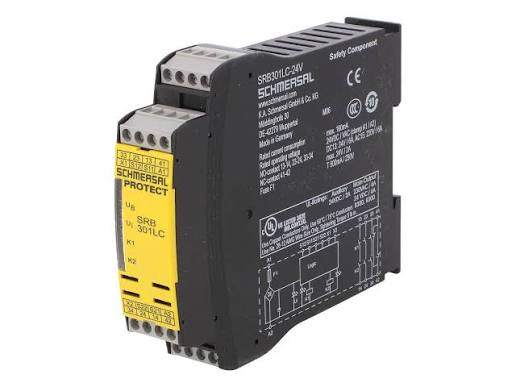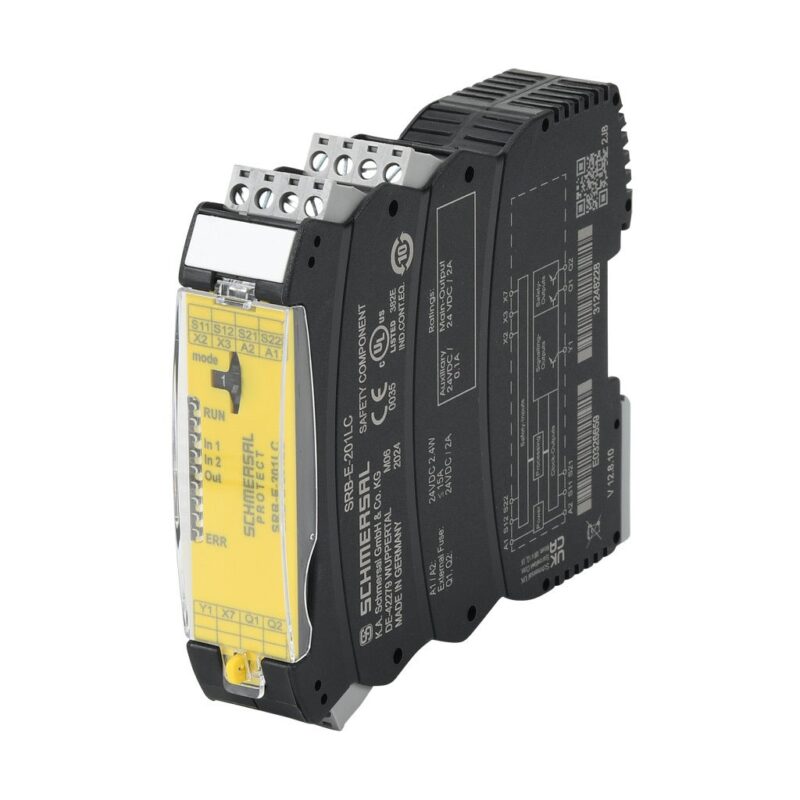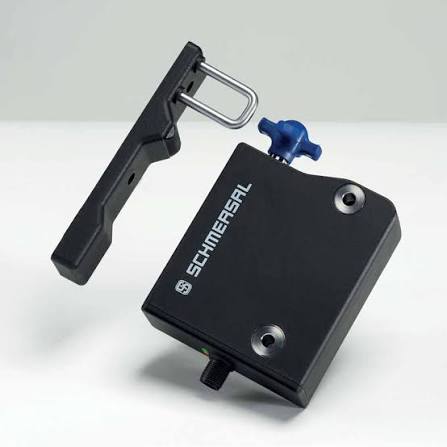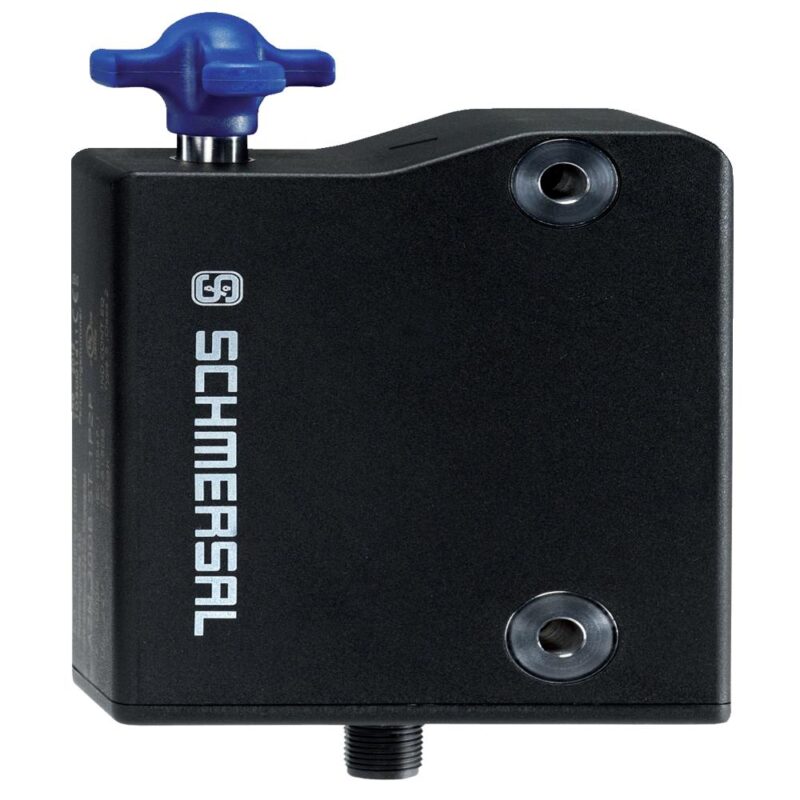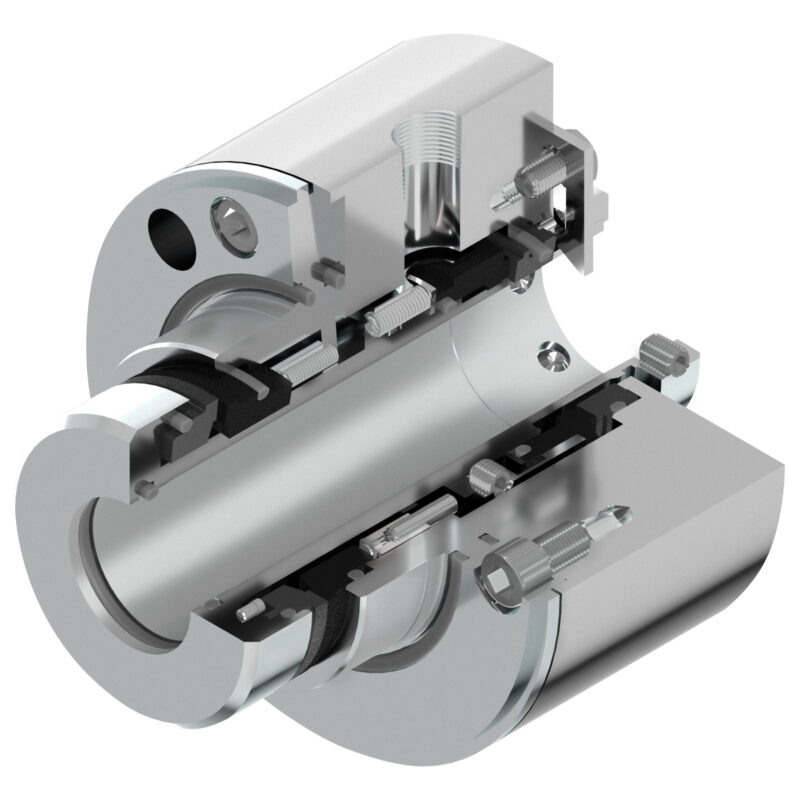

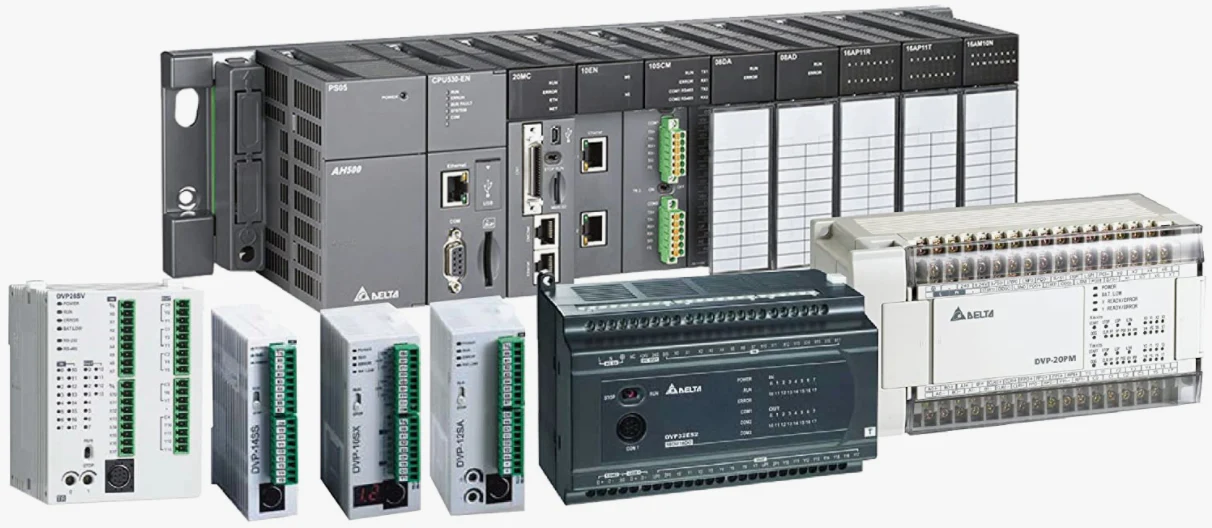
Industrial facilities that rely on PLCs, DCS platforms, and turbine control systems face a common operational risk: the failure of a single legacy component can halt production for days if the correct replacement isn’t readily available. This is the core problem that a dedicated supplier of OEM & Surplus Industrial Parts Worldwide is built to solve connecting maintenance teams, control engineers, and procurement managers with verified components sourced from established automation brands, regardless of where the requesting facility is located.
This article provides a technical overview of what OEM and surplus industrial parts are, how they are verified for reliability and precision, and where they are typically deployed across power generation, oil and gas, and heavy manufacturing operations.
What Are OEM & Surplus Industrial Parts?
“OEM” refers to components manufactured by, or to the exact specification of, the original equipment manufacturer brands such as GE, Bently Nevada, Allen-Bradley, Honeywell, ABB, GE Fanuc, Siemens, Invensys Triconex, ICS Triplex, Foxboro, Yokogawa, Schneider Electric, and HIMA. “Surplus” describes stock that was produced or purchased in excess of immediate demand, often discontinued by the original manufacturer, but still fully functional and, in many cases, never installed.
In practice, these parts fall into two categories:
- UNUSED (New Surplus): Factory-original units that have never been installed in an operating system. These retain original manufacturer specifications and are typically recommended for critical spares or planned upgrades.
- REBUILT: Units that have been professionally disassembled, inspected, repaired where necessary, and re-tested to confirm they meet or exceed original equipment performance standards. This category offers a cost-effective alternative when new-surplus stock is limited or unavailable.
Both categories serve a single purpose: keeping legacy and current-generation automation systems running without forcing a full system replacement, which is often disruptive and cost-prohibitive for plants running decades-old turbine or process control infrastructure.
Technical Specifications and Verification Process
Components sourced as OEM and surplus industrial parts span a wide range of system types, including:
- Control and logic modules — auxiliary function cards, relay driver boards, and CPU/processor modules used in systems such as GE’s Speedtronic Mark IV turbine control platform.
- Vibration and position monitoring hardware — Proximitor I/O modules, sensor cable assemblies, and proximity probe interfaces compatible with monitoring platforms such as the Bently Nevada 3300 and 3300 XL series.
- Network and communication interface cards — including legacy bus interfaces (e.g., ISA-bus ARCNET cards) still required to maintain compatibility with older DCS architectures.
- Signal and power handling modules — OEM-grade boards engineered for consistent operation and compatibility with existing plant infrastructure.
Before any part is listed as available, it goes through a verification sequence: identification against OEM part numbers and system requirements, functional and signal-integrity testing, and a final inspection to confirm the unit meets or exceeds original specifications. This process applies equally to UNUSED and REBUILT inventory, since both conditions are expected to perform to the same operational standard once installed.
Reliability and Precision in Demanding Environments
Reliability in this context is not an abstract claim it is measured against the operating conditions these components are designed for. Turbine control boards, for example, must function correctly under continuous electrical load, temperature fluctuation, and mechanical vibration inside a power plant or processing facility. Vibration monitoring modules, such as Proximitor I/O interfaces, are engineered to transmit clean, interference-free signals from proximity probes even in high-vibration environments, since inaccurate readings can mask early signs of mechanical failure in rotating equipment.
Precision matters at the signal level as much as the mechanical level. A control board that introduces even minor signal drift can propagate errors into downstream logic, affecting everything from turbine governor response to safety shutdown sequences. This is why testing before dispatch focuses specifically on signal processing accuracy and compatibility with the exact system architecture the part is intended for, not just whether the board powers on.
Typical Use Cases
OEM and surplus industrial parts are most commonly requested in three operational scenarios:
- Emergency replacement. A control board or monitoring module fails unexpectedly, and production cannot resume until a compatible replacement is installed. Same-day shipping and same-day sourcing confirmation are critical here.
- Scheduled maintenance and preventive replacement. Facilities proactively replace aging components before failure, particularly in systems where downtime costs are high, such as turbines and compressors in power generation and oil and gas operations.
- System upgrades and partial modernization. Rather than replacing an entire control system, plants source compatible legacy or equivalent components to extend the operational life of existing PLC, DCS, or turbine control infrastructure.
Across all three scenarios, the underlying requirement is the same: a verified part that matches the exact specification of the system it is replacing, delivered fast enough to avoid extended downtime.
Worldwide Sourcing and Logistics
Industrial facilities are not confined to one region, and neither is the demand for legacy automation components. A supplier of OEM & Surplus Industrial Parts Worldwide must be able to identify equivalent or exact-match parts regardless of where the original system was installed, and coordinate shipping that accounts for customs documentation, packaging suited to sensitive electronics, and delivery timelines across time zones.
This global reach matters most in industries where the underlying equipment, turbines, compressors, and large rotating machinery is often installed for 20 to 40 years or more, long after the original manufacturer has discontinued direct support for certain boards or modules. A facility in Southeast Asia running a GE Mark IV turbine control system faces the same sourcing challenge as one in Europe or the Americas, which is why a worldwide sourcing network, rather than a regional one, is essential to this category of supply.
Why Global Availability Matters to Procurement Teams
For procurement managers, the value of sourcing OEM and surplus industrial parts worldwide comes down to three practical factors: verified quality documentation that satisfies internal audit and compliance requirements, consistent availability across multiple part conditions (UNUSED and REBUILT) to fit different budget and urgency levels, and a single point of contact capable of supporting multi-site or multi-country operations rather than negotiating separately with regional suppliers for each facility.
This is also why documentation matters as much as the physical part. Quality assurance records, testing reports, and OEM specification matches allow engineering and procurement teams to justify the purchase internally and maintain traceability for future maintenance planning.
Conclusion
Legacy automation systems are not going away; turbines, compressors, and control platforms installed decades ago remain in active service across power generation, oil and gas, and manufacturing facilities globally. Supporting that infrastructure requires consistent access to verified, tested components, whether sourced as new surplus or professionally rebuilt stock. That is the practical role of a dependable source for OEM & Surplus Industrial Parts Worldwide: matching the right part, in the right condition, to the right system, no matter where that system is operating.
For engineers, technicians, and procurement teams managing critical control infrastructure, working with a supplier positioned to deliver verified components globally reduces both the technical risk of an incompatible replacement and the operational risk of extended downtime.