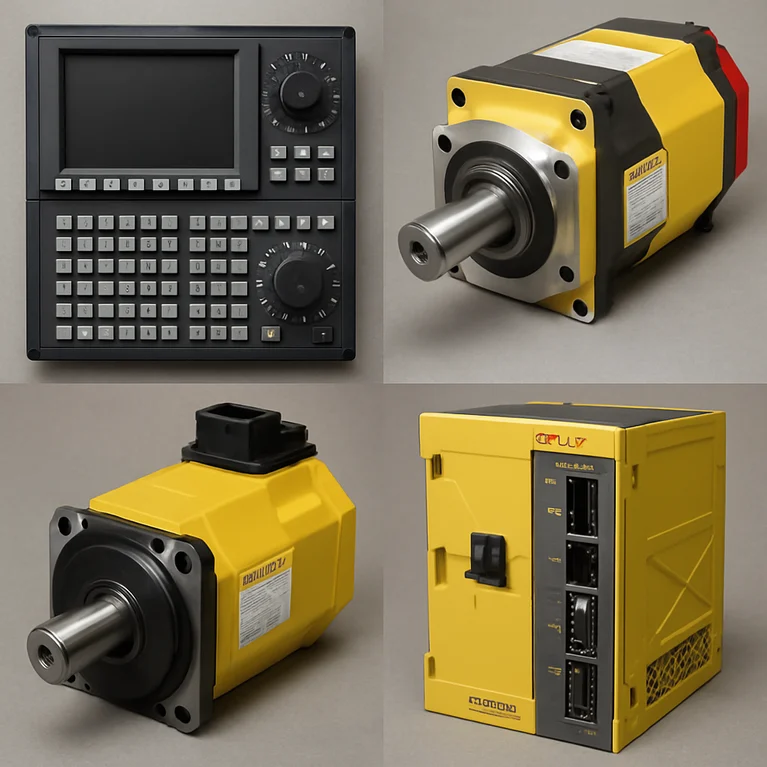

Industrial automation depends on the continuous, predictable operation of robotic systems, and few components are as critical to that reliability as the parts that keep those robots running. FANUC Robotics Spare Parts are engineered to maintain the exact performance specifications of original robotic systems, ensuring that manufacturing lines, assembly cells, and automated production facilities continue operating without unplanned downtime. For engineers, maintenance technicians, and procurement managers across the UAE’s growing industrial and manufacturing sectors, understanding the technical scope and application of these components is essential to effective equipment lifecycle management.
Overview of the Product Category
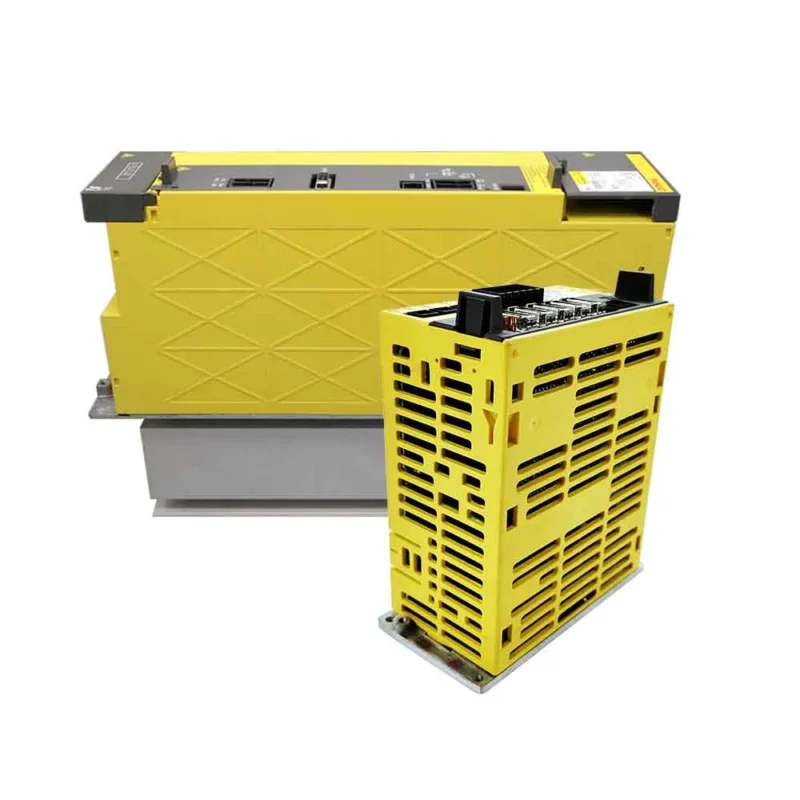
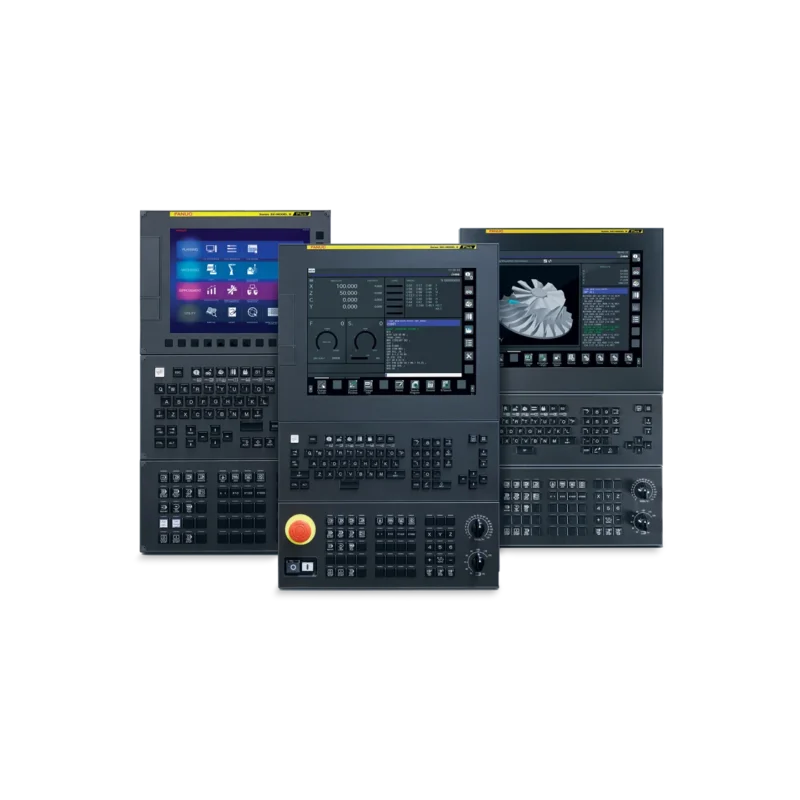
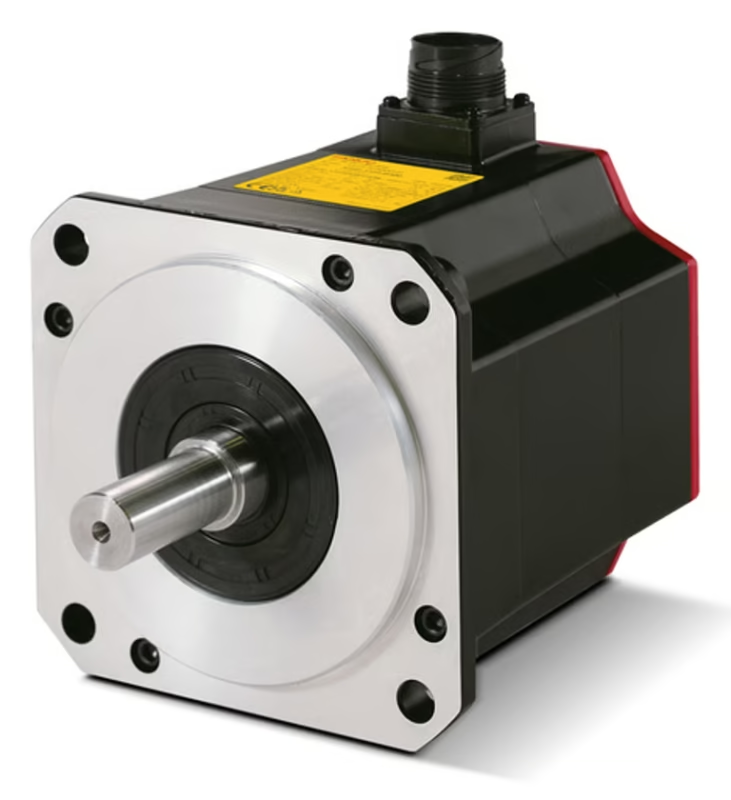
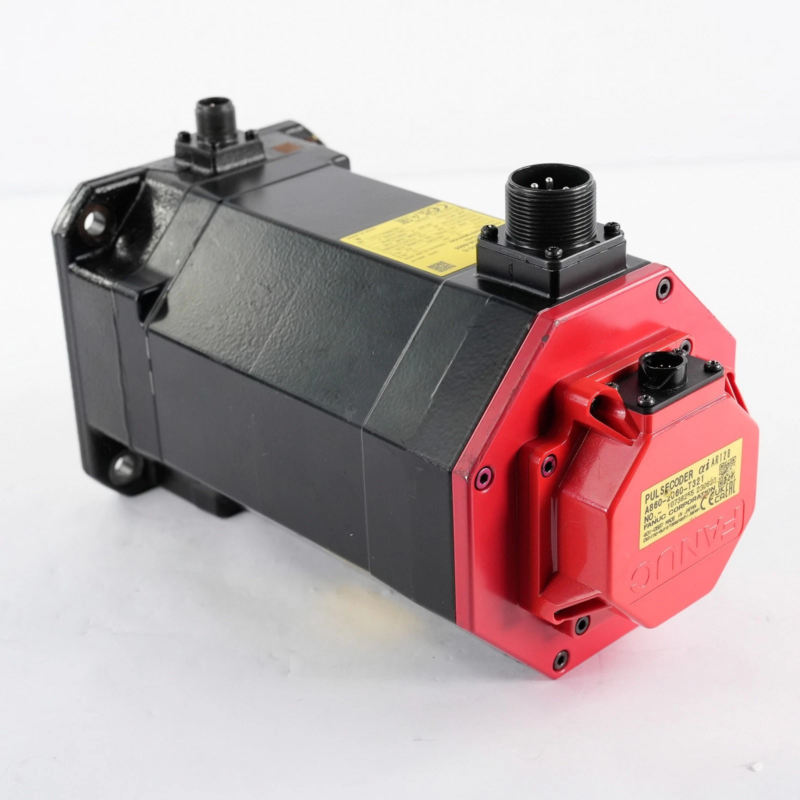
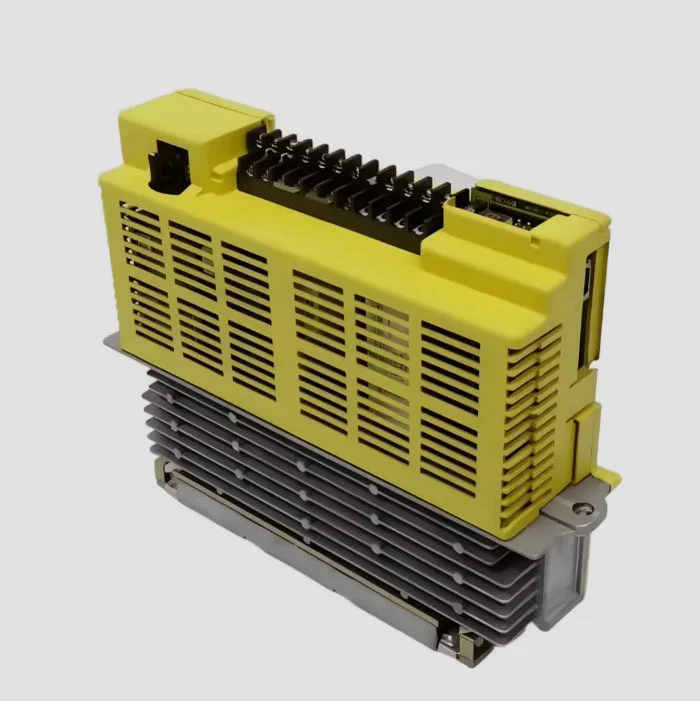
FANUC is one of the world’s largest manufacturers of industrial robots, CNC systems, and factory automation equipment, with a global installed base spanning automotive, electronics, metal fabrication, food processing, and logistics industries. This spare parts category covers the full range of components required to service and restore these robotic systems, including servo motors, pulse coders (encoders), control boards, power supply units, teach pendants, cables, connectors, batteries, gearboxes, and mechanical unit components such as bearings and seals.
Each part is manufactured or sourced to match FANUC’s original design tolerances, meaning replacement components integrate directly into existing robot models without requiring modification to mounting points, wiring harnesses, or control software. This compatibility is particularly important in facilities running mixed robot generations, where even minor deviations in part specification can cause calibration errors or reduced service life.
Technical Specifications
The technical characteristics of these spare parts vary by component type, but several specifications are consistently relevant across the product range:
- Servo Motors: Rated voltage typically between 200V–400V AC, with torque ratings matched to specific robot axis requirements (from small-payload wrist motors to high-torque base axis motors). Motors include integrated pulse coders for position feedback.
- Pulse Coders / Encoders: Absolute and incremental encoder types, with resolution specifications matched to the original robot controller’s positioning accuracy requirements (commonly within ±0.02 mm to ±0.05 mm repeatability at the tool center point).
- Control Boards and PCBs: Compatible with R-30iA, R-30iB, R-30iB Plus, and R-30iB Mate controller architectures, including main CPU boards, axis control boards, and I/O interface boards.
- Batteries: Lithium and lithium-thionyl chloride battery packs (typically 3V or 6V configurations) used for maintaining absolute position data during power-off states.
- Cables and Connectors: Shielded, robot-rated cabling designed to withstand continuous flexing cycles in robotic arm applications, with connector types matched to specific controller and mechanical unit interfaces.
- Gearboxes and Speed Reducers: Precision cycloidal and harmonic drive units rated for specific backlash tolerances, critical to maintaining repeatable positioning accuracy over the robot’s operational life.
These specifications are not interchangeable across robot series without verification, which is why sourcing parts against exact model and serial number data is a standard procurement practice.
Reliability and Precision
Reliability in robotic spare parts is measured primarily through two factors: dimensional and electrical conformity to original specifications, and consistency of performance under continuous industrial duty cycles. FANUC Robotics Spare Parts are tested against these criteria before deployment, since even small variances in encoder resolution or motor torque output can compound into positioning drift over thousands of operating cycles.
Precision is particularly critical in applications such as welding, dispensing, and precision assembly, where repeatability tolerances are often specified in fractions of a millimeter. Replacement components that fail to meet original tolerance bands can introduce cumulative errors, affecting weld placement accuracy, part fitment, or vision-guided pick-and-place operations. This is why technical documentation, including part numbers, revision levels, and compatibility charts, plays a central role in the procurement process for maintenance teams.
Typical Use Cases
FANUC robotic systems, and by extension their spare parts, are deployed across a broad range of industrial applications:
- Automotive Manufacturing: Spot welding, arc welding, material handling, and body-in-white assembly lines, where robot uptime directly affects production throughput.
- Electronics and Semiconductor Assembly: High-speed pick-and-place operations requiring tight repeatability tolerances.
- Metal Fabrication and Machining: CNC machine tending, part loading/unloading, and material handling.
- Food and Beverage Processing: Packaging, palletizing, and case-handling applications requiring washdown-rated components.
- Logistics and Warehousing: Palletizing robots and automated material transfer systems.
In each of these environments, spare parts inventory management is closely tied to preventive maintenance schedules, with components such as batteries, cables, and seals typically replaced on fixed intervals, while motors and boards are stocked as critical spares for reactive maintenance.
Applicability and Relevance for the UAE Market
The UAE’s industrial base — spanning Dubai’s manufacturing and logistics hubs, Abu Dhabi’s heavy industry and energy sectors, and the broader network of free zones such as JAFZA, KIZAD, and DIC — has seen sustained investment in automation across automotive assembly, metal processing, food production, and packaging industries. Facilities operating FANUC robotic systems in this region require dependable access to FANUC Robotics Spare Parts to minimize downtime, particularly given the operational demands of high-utilization production environments and the logistical lead times associated with sourcing components internationally.
Local and regional availability of these parts reduces dependency on long international shipping cycles, which is a significant consideration for maintenance planning in continuous-operation facilities. Additionally, the UAE’s climate conditions — including high ambient temperatures and dust exposure in certain industrial zones — make component quality and sealing specifications particularly relevant when selecting replacement parts for outdoor-adjacent or less climate-controlled production areas. Procurement teams in the UAE benefit from working with suppliers who maintain verified part compatibility data and can support both single-unit replacements and bulk spare parts inventory programs for multi-robot production lines.
For engineering and procurement teams managing FANUC robotic fleets across the region, maintaining a reliable local supply channel for these components supports both planned maintenance programs and emergency response scenarios, helping reduce mean time to repair (MTTR) across production-critical robotic cells.
Sourcing Considerations for Procurement Teams
When evaluating suppliers of FANUC Robotics Spare Parts, procurement managers typically assess several factors: verification of part numbers against the specific robot model and controller series, availability of technical documentation and compatibility confirmation, testing or quality-assurance processes prior to shipment, and lead time for both stocked and special-order components. Given the technical specificity of robotic components, working with suppliers who can cross-reference legacy and current part numbering systems is particularly valuable for facilities operating older robot generations alongside newer installations.
Frequently Asked Questions
Q: What types of components are included in this product category?
A: This category includes servo motors, pulse coders/encoders, control boards, power supply units, teach pendants, batteries, cables, connectors, gearboxes, and mechanical unit parts such as bearings and seals.
Q: Are FANUC spare parts compatible across different robot generations?
A: Compatibility depends on the specific robot model and controller series (such as R-30iA or R-30iB). Parts are matched by exact part number and revision level rather than assumed interchangeability.
Q: Why is positioning accuracy affected by spare part quality?
A: Components like encoders, motors, and gearboxes directly influence repeatability tolerances. Deviations from original specifications can cause cumulative positioning drift over operational cycles.
Q: How often should batteries and cables be replaced?
A: These components are typically replaced on fixed preventive maintenance intervals, since they are subject to gradual degradation from continuous duty cycles and power-off data retention requirements.
Q: What industries in the UAE commonly use FANUC robotic systems?
A: Automotive manufacturing, electronics assembly, metal fabrication, food and beverage packaging, and logistics/warehousing operations across major UAE industrial and free zone areas.
Q: What information is needed to source the correct spare part?
A: The robot model, controller series, and original part number (where available) are typically required to confirm exact compatibility before ordering.