
Introduction
Servo motors are the driving force behind precision motion control in modern manufacturing. Among the brands trusted globally for consistent performance, FANUC servo motors stand out for their engineering accuracy, durability, and compatibility with a wide range of automation systems. For industries across the UAE that depend on CNC machines, robotic arms, and automated production lines, sourcing genuine components from a dependable FANUC Servo Motor Supplier is essential to maintaining uptime and production quality.
This article provides a factual, technical overview of FANUC servo motors — covering specifications, reliability characteristics, precision capabilities, and real-world applications — with a specific focus on their relevance to buyers and procurement teams operating in the UAE market.
What Is a FANUC Servo Motor?
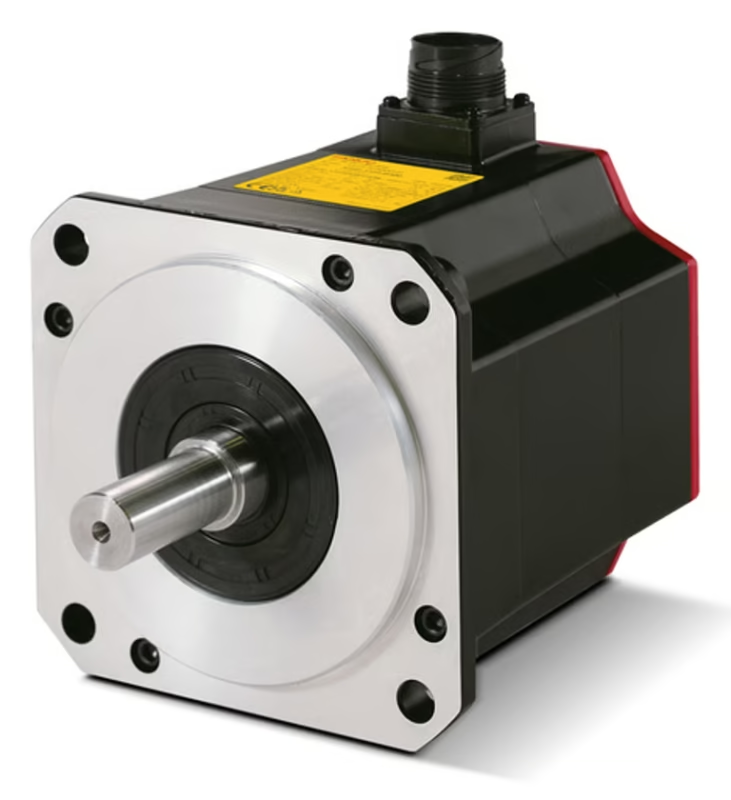
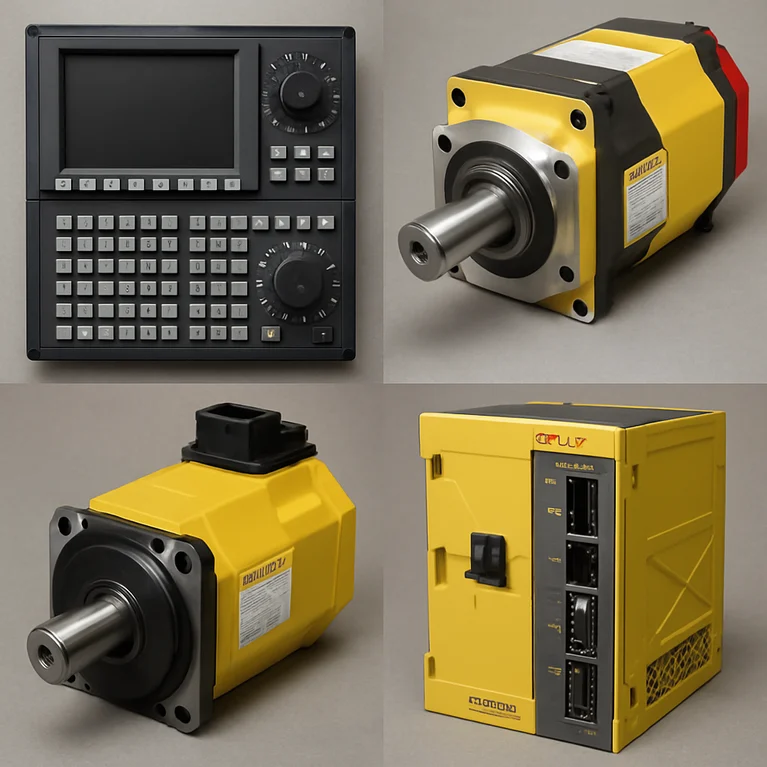
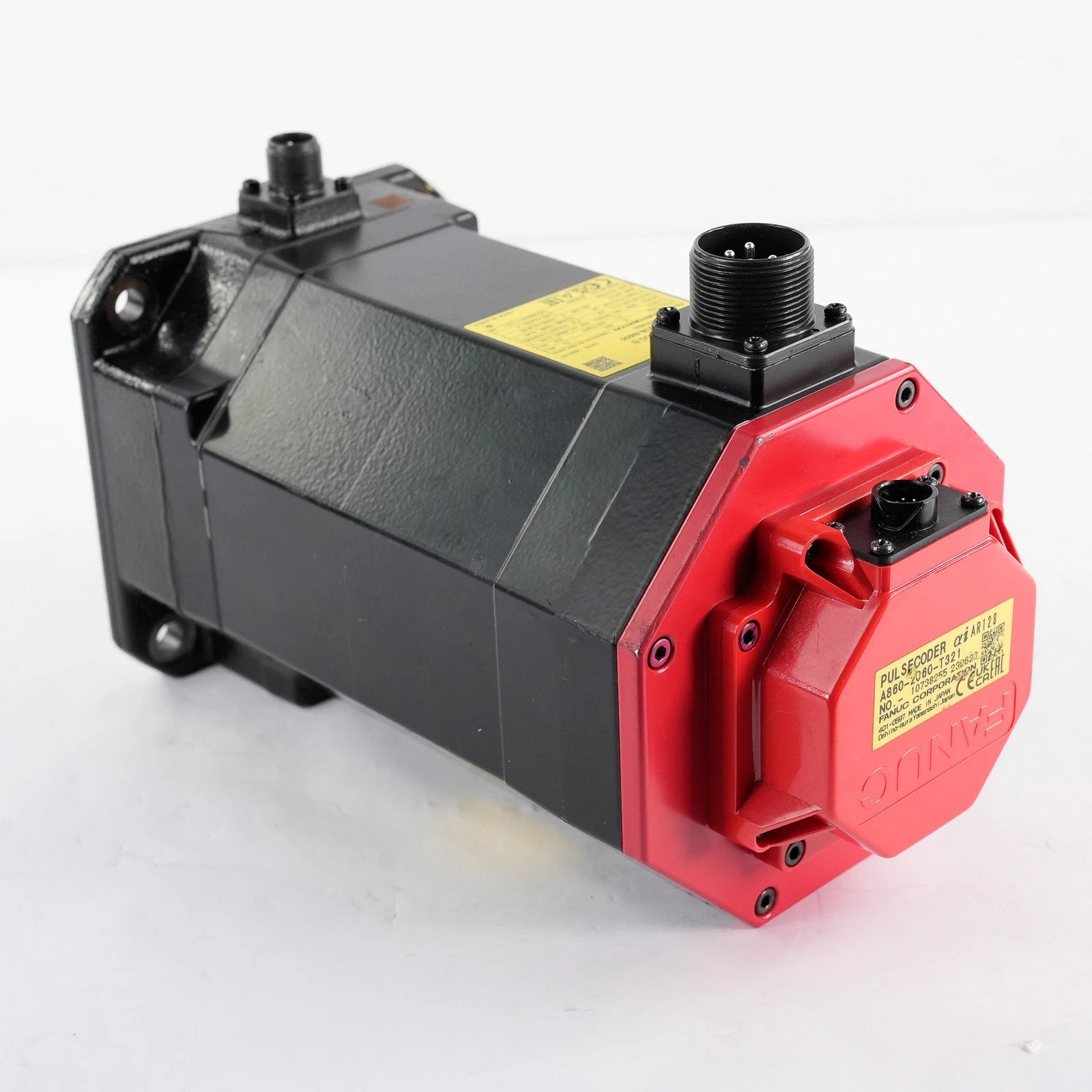
A FANUC servo motor is a rotary actuator designed to convert electrical signals into precise mechanical motion. These motors are engineered to work in closed-loop control systems, where feedback devices (typically encoders) continuously report position, velocity, and torque data back to the controller. This feedback loop allows the motor to correct deviations instantly, resulting in highly accurate and repeatable motion — a requirement in CNC machining, robotics, and packaging automation.
FANUC motors are built using AC synchronous motor technology, combined with high-resolution encoders and robust housing designed for industrial environments, including those with exposure to dust, vibration, and temperature fluctuations common in manufacturing facilities across the Gulf region.
Technical Specifications
While exact specifications vary by series and model (such as the αi series, βi series, and the newer α/βiS models), FANUC servo motors generally share the following technical characteristics:
- Voltage Rating: Typically 200V or 400V AC input, depending on the motor series and drive amplifier compatibility.
- Torque Range: Rated torque values commonly range from approximately 0.3 Nm to over 100 Nm across different frame sizes, supporting applications from light-load positioning to heavy-duty machining.
- Speed Range: Maximum rotational speeds generally fall between 2,000 RPM and 6,000 RPM, depending on the motor type and load requirements.
- Feedback System: High-resolution absolute or incremental encoders, often providing millions of pulses per revolution for precise position feedback.
- Insulation Class: Typically Class F or higher, allowing sustained operation in demanding thermal conditions.
- IP Rating: Many models are rated IP65 or higher, offering protection against dust and water ingress — a relevant factor for facilities in the UAE where sand and heat exposure can affect equipment longevity.
- Mounting Configuration: Standardized flange mounting compatible with FANUC CNC controllers and robot controllers (R-30iB series and others).
- Brake Options: Many models include an optional integrated holding brake for vertical axis applications.
These specifications make FANUC motors compatible with a wide range of machine tool builders and system integrators, which is a key reason procurement managers prefer working with an authorized FANUC Servo Motor rather than sourcing unverified components.
Reliability
Reliability is one of the most cited reasons manufacturers continue to specify FANUC servo motors in new and retrofit installations. Several design factors contribute to this:
- Sealed Construction: Robust sealing reduces the risk of contamination from coolant, dust, or metal shavings — common in machine shop environments.
- Thermal Management: Efficient heat dissipation design helps motors maintain consistent performance during extended production runs.
- Encoder Stability: High-quality encoders reduce signal drift over time, which helps sustain positioning accuracy across the motor’s operational life.
- Proven Track Record: FANUC motors are used extensively across automotive, electronics, aerospace component manufacturing, and general machining industries worldwide, providing a long history of field performance data.
For facilities operating multiple shifts, unplanned downtime due to motor failure can be costly. This is why many UAE-based manufacturers prioritize working with a verified FANUC Servo Motor Supplier who can provide genuine parts, proper documentation, and technical support rather than substitute components that may compromise long-term reliability.
Precision and Motion Control
Precision in servo motors is primarily determined by encoder resolution and the responsiveness of the control loop. FANUC servo motors are engineered to deliver:
- High Positioning Accuracy: Suitable for tight-tolerance machining operations, including mold and die work, aerospace components, and micro-machining.
- Smooth Velocity Control: Reduced vibration and overshoot during acceleration and deceleration phases, which is critical for surface finish quality in CNC operations.
- Consistent Repeatability: Motors maintain positional accuracy across repeated cycles, which is essential in high-volume production and robotic pick-and-place operations.
- Dynamic Response: Quick response to command changes, supporting complex multi-axis coordinated motion in robotics and 5-axis CNC systems.
This level of precision is why FANUC servo motors remain a standard choice in sectors where tolerance requirements are strict, such as precision engineering, medical device component manufacturing, and tool and die production.
Typical Use Cases
FANUC servo motors are used across a broad range of industrial applications, including:
- CNC Machining Centers: Driving X, Y, and Z axes in milling machines, lathes, and grinding equipment.
- Industrial Robotics: Powering joint movement in six-axis robotic arms used for welding, material handling, and assembly.
- Packaging Machinery: Enabling precise, high-speed motion in filling, labeling, and cartoning equipment.
- Injection Molding Machines: Controlling clamping and injection axes for consistent part quality.
- Automated Material Handling: Driving conveyor and positioning systems in warehouse and production-line automation.
- Retrofit Projects: Replacing aging servo systems in older machine tools to extend equipment life without full machine replacement.
UAE Applicability and Market Relevance
The UAE’s manufacturing and industrial sectors — spanning Dubai, Abu Dhabi, and Sharjah — continue to expand across automotive components, aerospace maintenance, general engineering, oil and gas equipment fabrication, and packaging industries. As local industries adopt more automation to improve efficiency and reduce labor dependency, the demand for dependable servo motor components has grown accordingly.
For businesses operating in this region, working with a regional FANUC Servo Motor offers several practical advantages:
- Faster Lead Times: Regional stock availability reduces downtime compared to importing directly from overseas manufacturers.
- Climate-Suited Components: Motors with appropriate IP ratings and thermal tolerances are better suited to withstand the UAE’s high ambient temperatures and dust conditions.
- Local Technical Support: Access to technicians familiar with FANUC systems reduces troubleshooting time during installation or maintenance.
- Compliance and Documentation: Authorized suppliers can provide proper certification and traceability, which is often required for procurement and audit purposes in industrial and government-linked projects.
- After-Sales Service: Availability of repair, testing, and replacement services locally minimizes production disruption.
Given the UAE’s strategic position as a regional trade and manufacturing hub, procurement managers increasingly look for suppliers who understand both the technical requirements of FANUC systems and the operational conditions specific to Gulf industries.
Why Procurement Teams Choose a Specialized Supplier
Procurement managers and maintenance engineers typically evaluate suppliers based on part authenticity, technical documentation, warranty terms, and responsiveness. A dedicated FANUC Servo Motor Supplier that stocks a range of models — from αi series to βi series — and understands cross-compatibility with different CNC controllers and robot controllers simplifies the sourcing process considerably. This reduces the risk of compatibility issues, shortens procurement cycles, and supports better long-term maintenance planning for facilities operating FANUC-based automation systems.
Frequently Asked Questions
1. What industries commonly use FANUC servo motors in the UAE?
FANUC servo motors are widely used in CNC machining, automotive component manufacturing, packaging, aerospace maintenance, and general industrial automation across the UAE.
2. How do I identify the correct FANUC servo motor model for my machine?
The model number is typically found on the motor nameplate. Cross-referencing this with the machine’s control system documentation or consulting a knowledgeable supplier helps confirm compatibility.
3. Are FANUC servo motors suitable for high-temperature environments?
Many FANUC motor models feature Class F insulation and appropriate IP ratings, making them suitable for warmer industrial environments such as those found in the UAE, provided proper ventilation and cooling practices are maintained.
4. What is the typical lead time for sourcing FANUC servo motors in the UAE?
Lead times vary depending on stock availability. Working with a regional supplier that maintains local inventory can significantly reduce wait times compared to direct overseas procurement.
5. Can FANUC servo motors be repaired instead of replaced?
In many cases, yes. Depending on the extent of damage, servo motor repair services can restore functionality, often at a lower cost than full replacement, provided the motor is assessed by qualified technicians.
6. Do FANUC servo motors require special maintenance?
Routine maintenance includes checking encoder cables, monitoring for unusual noise or vibration, ensuring proper cooling, and periodic inspection of brake mechanisms in vertical-axis applications.
Conclusion
FANUC servo motors continue to be a benchmark component in ‘industrial automation due to their engineering precision, reliability, and broad compatibility with CNC and robotic systems. For businesses in the UAE seeking consistent production performance, partnering with an experienced FANUC Servo Motor Supplier ensures access to genuine components, proper technical guidance, and regional support suited to local industrial conditions. As automation adoption continues across the Gulf region, having a dependable sourcing partner for servo motor components remains a practical necessity for maintaining efficient, precision-driven operations.