
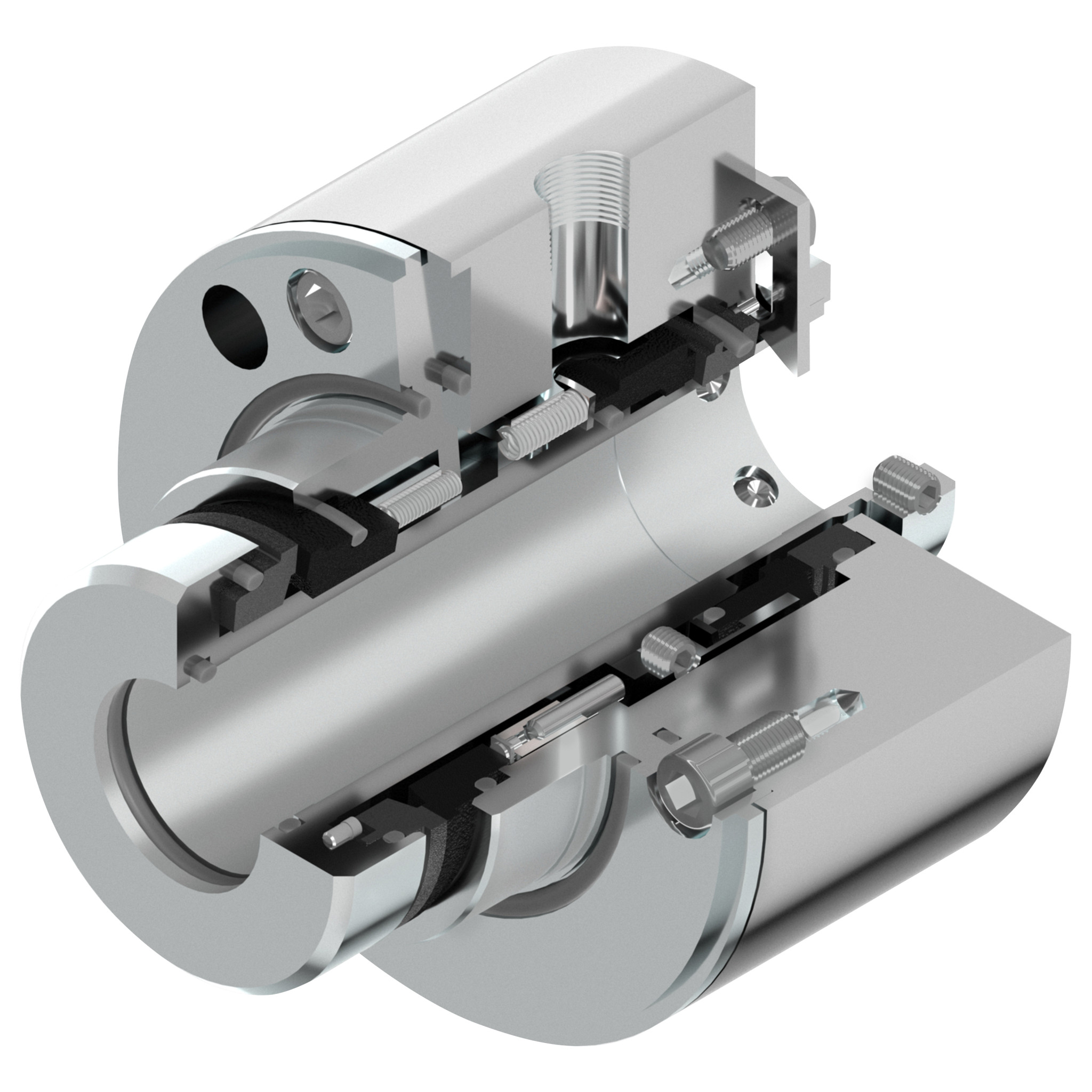
Rotating equipment reliability depends heavily on the quality of the mechanical seal fitted at the pump, mixer, or compressor shaft. For plant engineers, maintenance technicians, and procurement managers across the UAE, sourcing seals from a certified Flowserve Mechanical Seal Supplier is central to minimizing unplanned downtime and controlling lifecycle costs. This article provides a technical, non-promotional overview of Flowserve mechanical seals — their design, specifications, and applicability to UAE industrial operations — to help buyers make informed procurement decisions.
Why Equipment Owners Choose a Flowserve Mechanical Seal
Mechanical seals prevent process fluid leakage along a rotating shaft while allowing free rotation, replacing older packing-based sealing methods. Flowserve, a global manufacturer of flow control equipment, produces a wide range of seal types engineered for demanding process conditions, including high pressure, high temperature, and aggressive or abrasive media. Working with an authorized Flowserve Mechanical Seal Supplier ensures that end users receive genuine components, correct material certifications, and documentation that supports both operational safety and regulatory compliance — factors that matter particularly in UAE sectors governed by strict process safety standards, such as oil and gas, petrochemicals, power generation, and water treatment.
Technical Specifications and Design Features
Flowserve mechanical seals are available in several configurations to match specific application requirements:
- Seal Types: Single cartridge seals, dual (double) seals, gas seals, and split seals for shafts that cannot be disassembled.
- Pressure Ratings: Depending on the model, seals are rated from low-pressure duties up to several hundred bar for high-pressure process pumps.
- Temperature Range: Standard elastomer and metal configurations typically operate from approximately -40°C to over 400°C, with specialized high-temperature variants available for thermal oil and hydrocarbon processing.
- Shaft Sizes: Common ranges span from 20 mm to over 200 mm, covering equipment from small chemical dosing pumps to large boiler feed pumps.
- Face Materials: Options include carbon-graphite, reaction-bonded silicon carbide, tungsten carbide, and specialty ceramics, selected based on the chemical compatibility of the process fluid.
- Secondary Seal Elastomers: Viton, EPDM, Kalrez, and PTFE variants are available to suit corrosive, hydrocarbon-based, or high-purity media.
- API 682 Compliance: Many models are designed and tested to meet API 682 standards, the industry benchmark for pump shaft sealing systems in oil and gas applications.
These specifications allow a qualified regional distributor to match the correct seal configuration to the exact duty point of a pump or rotating machine, rather than offering a generic, one-size-fits-all product.
Reliability and Precision Engineering
Reliability in mechanical seal performance is largely a function of manufacturing tolerance and material selection. Flowserve seal faces are lapped to sub-micron flatness tolerances, which is necessary to maintain a stable, thin fluid film between the rotating and stationary faces during operation. This precision reduces friction, controls heat generation, and extends mean time between failures.
Cartridge-style designs further improve reliability by allowing the entire seal assembly to be pre-set and installed as a single unit, reducing the risk of installation errors that commonly cause premature seal failure in field-assembled designs. For UAE facilities operating in high-ambient-temperature environments — where cooling system performance and thermal expansion tolerances are more critical than in temperate climates — this precision becomes especially relevant to sustained equipment uptime.
Typical Use Cases
Flowserve mechanical seals are deployed across a broad range of industrial rotating equipment, including:
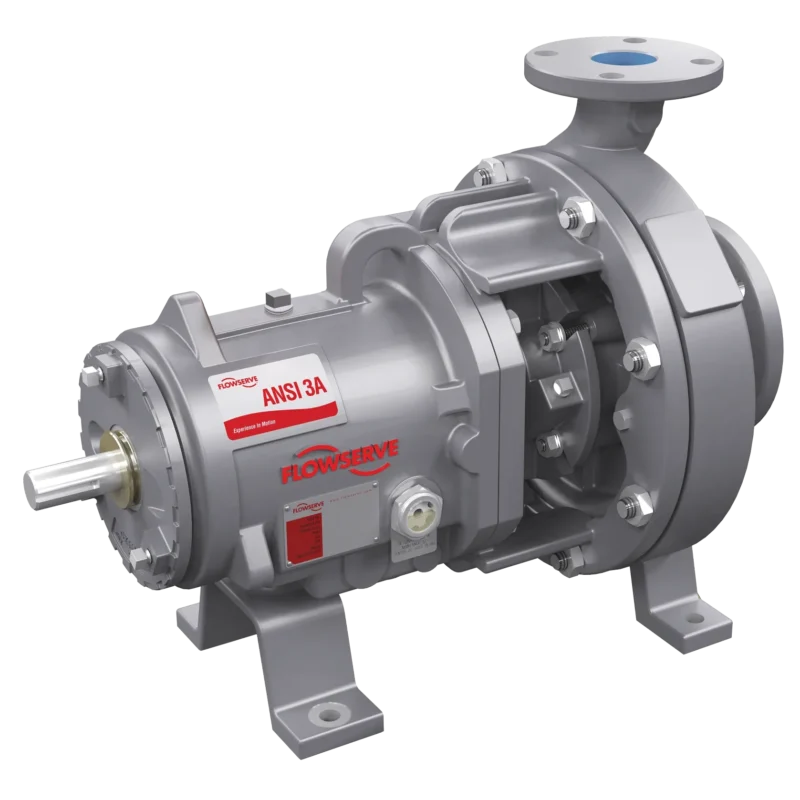
- Centrifugal Pumps: Used in refineries, desalination plants, and water/wastewater treatment facilities.
- Boiler Feed Water Pumps: Common in power generation plants, including UAE combined-cycle and district cooling facilities.
- Slurry and Mixer Applications: Used in mining, cement, and chemical processing where abrasive media are present.
- Compressors and Agitators: Sealing rotating shafts in gas processing and specialty chemical operations.
- API 610 Process Pumps: Widely specified in petrochemical and hydrocarbon processing plants.
Given the concentration of oil and gas, petrochemical, desalination, and power generation infrastructure in the UAE, demand for a dependable regional distributor of these components remains consistent across Abu Dhabi, Dubai, Sharjah, and the broader industrial zones of the Northern Emirates.
UAE Relevance: Sourcing Considerations for Procurement Teams
Procurement managers evaluating a supplier of these seals in the UAE should consider several practical factors:
- Authorized Distribution: Confirm the supplier has verifiable authorization to distribute genuine Flowserve components, along with traceable material certificates (mill test certificates, material compliance documentation).
- Local Stock Availability: For critical rotating equipment, availability of common seal sizes and materials from regional stock reduces downtime compared to sourcing from overseas on a made-to-order basis.
- Technical Support: Access to application engineering support for seal selection, especially for non-standard shaft sizes or unusual process chemistries, is valuable for both new installations and seal replacement programs.
- Compliance Documentation: UAE industrial operators, particularly in regulated sectors, require documentation aligned with API standards and local regulatory expectations.
- After-Sales Service: Installation guidance, failure analysis, and repair/reconditioning services extend the practical value of the supplier relationship beyond the initial purchase.
Evaflux positions itself to address these requirements for buyers seeking a reliable source of genuine Flowserve seals serving the UAE market, offering both product availability and technical coordination suited to regional industrial operations.
Maintenance and Replacement Considerations
Even well-engineered mechanical seals have a finite service life, influenced by operating temperature, fluid cleanliness, alignment accuracy, and start-up/shutdown frequency. Common indicators that a seal requires inspection or replacement include visible leakage at the seal chamber, unusual vibration, or a rise in seal chamber temperature. Maintenance teams are generally advised to keep critical spares on hand for high-duty pumps, particularly where process downtime carries significant operational cost. Working with a knowledgeable supplier helps ensure that replacement seals match original equipment specifications precisely, avoiding compatibility issues that can arise from substituting non-equivalent parts.
Conclusion
Selecting the right mechanical seal — and the right supplier — has a direct bearing on rotating equipment uptime, safety, and total cost of ownership. Flowserve’s engineering standards, material options, and compliance with recognized industry specifications make its seal product lines a common specification across UAE oil and gas, power, water, and process industries. For engineers and procurement teams evaluating options, working with an established Flowserve Mechanical Seal Supplier with regional stock, technical support, and verified product authenticity remains a practical foundation for long-term equipment reliability.
Frequently Asked Questions
Q1: What is a mechanical seal used for?
A mechanical seal prevents process fluid from leaking along a rotating shaft in pumps, mixers, and compressors, while allowing the shaft to rotate freely.
Q2: What standards do Flowserve mechanical seals comply with?
Many Flowserve seal models are designed to meet API 682 (shaft sealing systems) and are commonly specified alongside API 610 (centrifugal pumps) in oil, gas, and petrochemical applications.
Q3: How do I select the correct seal face material?
Face material selection depends on the process fluid’s chemical compatibility, temperature, and abrasiveness. Common options include carbon-graphite, silicon carbide, and tungsten carbide.
Q4: Are genuine Flowserve seals available locally in the UAE?
Authorized suppliers such as Evaflux maintain regional stock and sourcing channels for genuine Flowserve seal components to support UAE-based industrial facilities.
Q5: How often should mechanical seals be replaced?
Replacement intervals vary by application, but signs such as visible leakage, elevated vibration, or seal chamber temperature increases typically indicate the need for inspection or replacement.
Q6: What industries in the UAE commonly use Flowserve mechanical seals?
Oil and gas, petrochemicals, power generation, desalination, water/wastewater treatment, and mining/cement processing are among the primary users.