
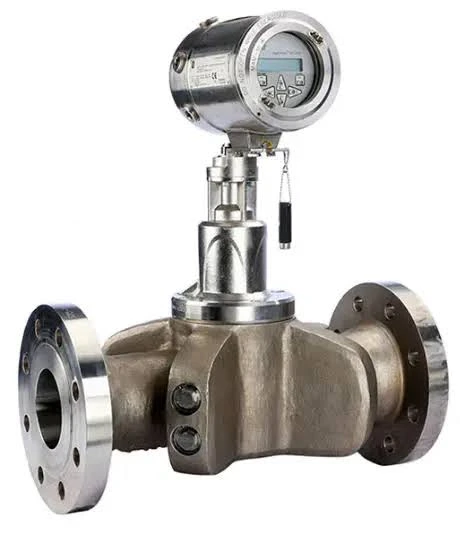
Accurate flow measurement is a foundational requirement across oil and gas, water treatment, power generation, and process manufacturing facilities. For engineers and procurement teams in the United Arab Emirates, sourcing dependable instrumentation from an established Panametrics Flow Meter Supplier is a key step in ensuring long-term measurement accuracy, regulatory compliance, and operational uptime. This article outlines the technical characteristics, performance capabilities, and regional relevance of Panametrics flow meters, and explains why working with a qualified, experienced supplier matters for industrial projects across the region.
What Are Panametrics Flow Meters?
Panametrics flow meters are ultrasonic transit-time and clamp-on flow measurement instruments originally developed by Panametrics Inc. and now manufactured under the Baker Hughes portfolio. These meters use ultrasonic transducers to measure the velocity of liquids or gases moving through a pipe by calculating the time difference between upstream and downstream sound wave transmissions. Because the technology does not require direct contact with the process fluid in clamp-on configurations, it is widely used in applications where pipe intrusion, pressure drop, or fluid contamination must be avoided.
Panametrics Flow Meter Suppliers are available in several product lines, including the GS868 (liquid), GF868 (gas), DigitalFlow XGM868i, AT600 series for steam and gas applications, and the PT900 portable transit-time flow meter. Each model is engineered for a specific combination of fluid type, pipe material, temperature range, and installation environment.
Technical Specifications
Understanding core specifications helps buyers evaluate whether a given model suits their process conditions. Typical technical parameters for Panametrics ultrasonic flow meters include:
- Measurement principle: Transit-time ultrasonic technology (clamp-on or wetted transducers)
- Pipe size range: Approximately 0.5 inches to over 300 inches, depending on model
- Accuracy: Typically ±1% to ±2% of reading for clamp-on configurations; higher accuracy achievable with in-line spool-piece designs
- Fluid temperature range: From cryogenic temperatures up to approximately 750°F (400°C), depending on transducer type
- Process pressure rating: Determined by pipe rating rather than the meter itself, since clamp-on sensors are non-intrusive
- Output signals: 4-20 mA, HART, Modbus, pulse output, and digital communication protocols
- Power supply options: AC and DC configurations, with explosion-proof and intrinsically safe enclosures available for hazardous locations
- Certifications: ATEX, IECEx, CSA, and other hazardous-area approvals depending on the specific model and region of deployment
These specifications make Panametrics meters suitable for a wide range of pipe materials, including carbon steel, stainless steel, PVC, and lined pipes, provided the correct transducer and mounting configuration is selected.
Reliability and Precision
Reliability in flow measurement instrumentation is determined by several factors: signal processing quality, transducer construction, environmental resistance, and calibration stability over time. Panametrics meters use digital signal processing algorithms designed to maintain measurement accuracy even in conditions with entrained gas, aeration, or moderate flow disturbances. Multi-path configurations, available in larger in-line meters, further improve accuracy by averaging velocity profiles across multiple ultrasonic paths rather than relying on a single measurement chord.
Because clamp-on transducers do not contact the process fluid directly, there is no moving part subject to mechanical wear, which reduces maintenance requirements and extends operational life. This is a significant advantage in industries where unplanned shutdowns for instrument replacement are costly, such as refining, petrochemical processing, and municipal water distribution.
Precision is also supported by factory calibration and, where required, third-party verification against traceable reference standards. For custody transfer or fiscal metering applications, buyers should confirm the specific model’s calibration certification and repeatability specifications with their supplier before procurement.
Typical Use Cases
Panametrics flow meters are deployed across a broad range of industrial sectors, including:
- Oil and gas: Measuring crude oil, refined products, natural gas, and produced water in upstream, midstream, and downstream operations
- Water and wastewater: Monitoring raw water intake, treated water distribution, and effluent discharge in municipal and industrial plants
- Power generation: Measuring cooling water, boiler feedwater, and steam flow in thermal and combined-cycle power plants
- Chemical and petrochemical processing: Monitoring corrosive or hazardous fluids without requiring pipe penetration
- HVAC and district cooling: Measuring chilled water flow in large commercial and industrial cooling systems
- Marine and desalination: Supporting flow measurement in seawater intake and brine discharge systems
These use cases are particularly relevant to industrial infrastructure across the UAE, where oil and gas production, desalination, district cooling, and large-scale water treatment represent core sectors of the national economy.
Why UAE Buyers Need a Qualified Panametrics Flow Meter Supplier
The UAE’s industrial landscape, spanning Abu Dhabi’s upstream oil and gas operations, Dubai’s district cooling and utility infrastructure, and free zones such as JAFZA and KIZAD, requires instrumentation suppliers who understand both the technical specifications of the equipment and the regulatory and environmental conditions specific to the region. High ambient temperatures, sandy or corrosive site conditions, and hazardous-area classifications common in petrochemical facilities all influence which flow meter configuration is appropriate.
A regionally established, qualified supplier provides more than just product delivery. It offers technical guidance on model selection, transducer material compatibility, hazardous-area certification requirements relevant to UAE and GCC standards, and after-sales calibration or maintenance support. For procurement managers, working with a supplier familiar with local project timelines, customs procedures, and industry-specific documentation requirements reduces lead time risk and simplifies vendor qualification processes.
Evaflux positions itself as a resource for engineers and procurement teams across the UAE seeking dependable flow measurement solutions, with product guidance tailored to regional industrial requirements. Buyers evaluating a Panametrics Flow Meter Supplier for a specific project are encouraged to share process conditions, including fluid type, pipe size, pressure, and hazardous-area classification, to receive an accurate model recommendation.
Conclusion
Panametrics flow meters remain a widely specified choice for ultrasonic flow measurement across industrial sectors due to their non-intrusive design, broad application range, and long-term reliability. For organizations operating in the UAE, selecting the right supplier involves evaluating not only the technical specifications of the meter itself, but also the supplier’s regional experience, certification knowledge, and support capabilities. A methodical, specification-driven approach to procurement helps ensure that the selected flow meter performs reliably under the specific process and environmental conditions of the installation site.
Frequently Asked Questions
1. What is the difference between clamp-on and in-line Panametrics flow meters?
Clamp-on meters mount externally on the pipe surface and do not contact the process fluid, making installation non-intrusive. In-line (spool-piece) meters are installed directly into the pipeline and generally offer higher accuracy, often used for custody transfer or fiscal metering applications.
2. Can Panametrics flow meters be used in hazardous areas common in UAE oil and gas facilities?
Yes. Many Panametrics models are available with ATEX, IECEx, or equivalent hazardous-area certifications suitable for classified zones found in refineries, gas processing plants, and offshore facilities.
3. What pipe materials are compatible with Panametrics ultrasonic flow meters?
Panametrics meters are compatible with a wide range of pipe materials, including carbon steel, stainless steel, PVC, and certain lined pipes, provided the correct transducer type and mounting configuration are specified for the application.
4. How often do Panametrics flow meters require calibration?
Calibration intervals depend on the application, regulatory requirements, and internal quality standards of the facility. Many industrial users follow a periodic verification schedule, typically annually, though custody transfer applications may require more frequent verification.
5. Is a portable Panametrics flow meter suitable for temporary flow verification?
Yes. Models such as the PT900 are designed for portable, non-intrusive flow verification and troubleshooting, allowing engineers to check flow rates at multiple points without permanent installation.