
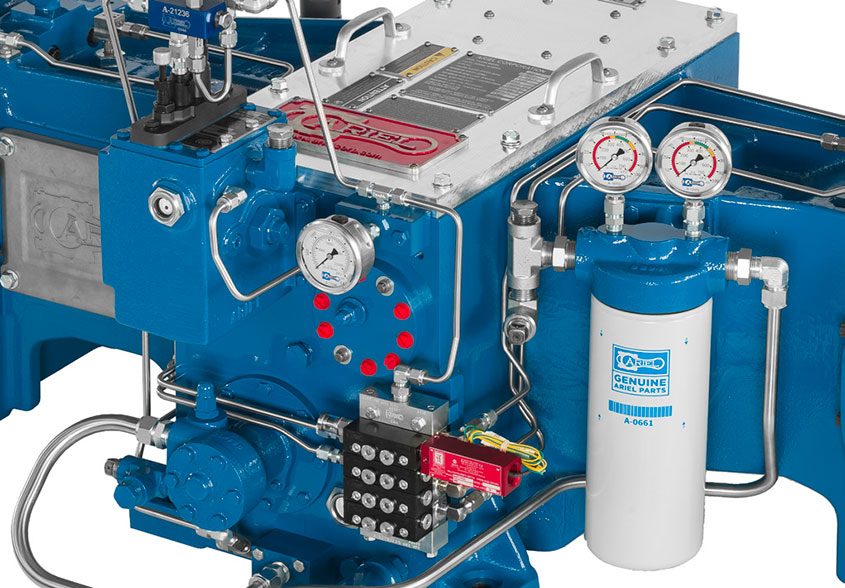
Reciprocating gas compressors form the backbone of gas gathering, gas lift, gas injection, and gas processing operations across the Middle East. Among the equipment brands most widely deployed in these applications, Ariel compressors are recognized for their rugged design and long service life. Sourcing genuine, precision-manufactured replacement components is essential to keeping these units running safely and efficiently, which is why operators across the region rely on a dependable Ariel Compressor Parts Supplier to support their maintenance and turnaround schedules.
This article provides a technical overview of Ariel compressor components, their specifications, performance characteristics, and typical applications, with specific attention to how these parts serve the operational demands of the UAE’s oil, gas, and industrial sectors.
Overview of Ariel Compressor Parts
Ariel reciprocating compressors are used extensively in upstream, midstream, and downstream gas handling systems. The compressor frame houses a crankshaft, connecting rods, crossheads, and cylinders, each of which requires periodically replaced wear components to maintain compression efficiency and mechanical integrity. Typical part categories include:
- Compressor valves – suction and discharge valves that control gas flow direction within each cylinder
- Piston rings and rider bands – wear components that maintain sealing and support piston alignment
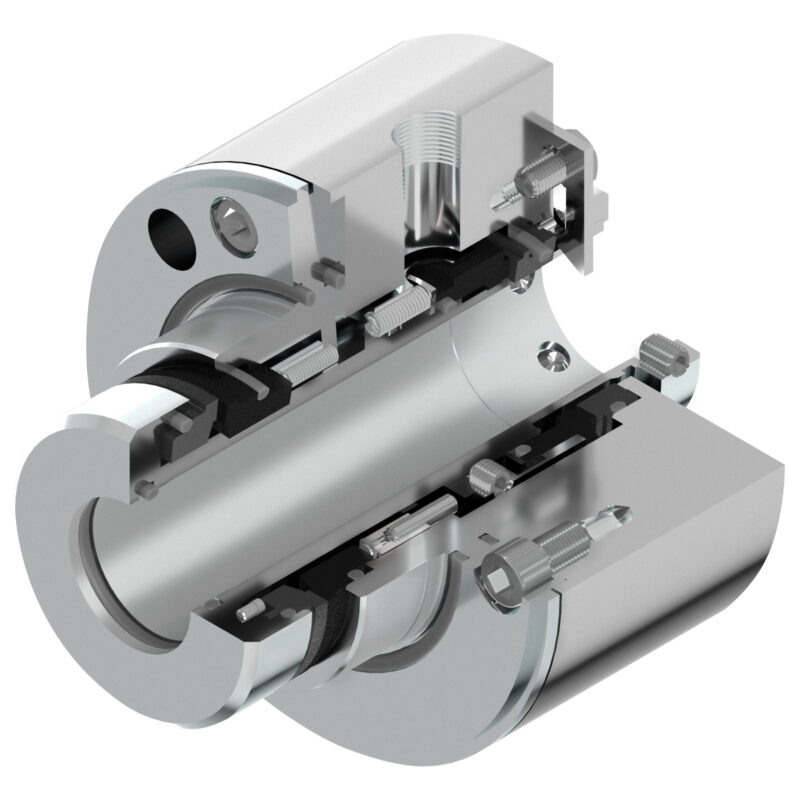
- Packing cases and packing rings – seal the piston rod where it passes through the cylinder, preventing gas leakage
- Cylinder liners and pistons – define the compression chamber and directly affect volumetric efficiency
- Valve unloaders and clearance pockets – used for capacity control during varying load conditions
- Gaskets, seals, and fasteners – maintain pressure boundaries throughout the compressor assembly
Each component is manufactured to strict dimensional tolerances so it can be installed as a direct fit replacement without modification to existing compressor frames.
Technical Specifications
Ariel compressor parts are engineered to match OEM specifications across a range of frame sizes and pressure classes. Key technical parameters typically include:
- Material construction: Valve plates and seats are commonly manufactured from PEEK, nitrile, or Teflon-based composites depending on gas composition and temperature; piston rings and rider bands use PTFE-based compounds or bronze alloys for durability under continuous cycling.
- Pressure ratings: Components are rated to accommodate discharge pressures ranging from low-pressure gas gathering (below 500 psi) up to high-pressure gas injection service (above 5,000 psi), depending on frame and cylinder configuration.
- Temperature tolerance: Parts are designed to operate reliably across a wide temperature range, an important consideration given the high ambient temperatures common across the UAE and broader Gulf region.
- Dimensional tolerances: Machining tolerances typically fall within ±0.001 to ±0.005 inches, ensuring proper sealing and reduced blow-by across the piston and rod assembly.
- Compatibility: Parts are cross-referenced to Ariel frame models such as JGK, JGT, JGP, KBB, KBV, and larger frame series, allowing accurate part matching by frame, cylinder, and serial number.
Reliability and Precision
Reliability in reciprocating compressor operations depends heavily on the consistency of replacement parts. Variations in valve timing, ring clearance, or packing fit can lead to reduced compression efficiency, increased vibration, or premature wear of adjacent components. For this reason, parts sourced from a qualified Ariel compressor parts supplier are manufactured under controlled quality processes, including:
- Dimensional inspection against OEM drawings
- Material certification and traceability
- Pressure and leak testing of valve assemblies where applicable
- Batch documentation to support maintenance record-keeping and regulatory compliance
Precision manufacturing directly affects compressor uptime. A properly matched valve or piston ring assembly reduces the frequency of unplanned shutdowns and helps operators plan maintenance intervals based on predictable wear patterns rather than reactive failures.
Typical Use Cases
Ariel compressor parts support a wide range of applications relevant to the UAE’s energy and industrial landscape:
- Upstream gas gathering and boosting: Compressing low-pressure wellhead gas for transport to processing facilities
- Gas injection for enhanced oil recovery: Injecting high-pressure gas into reservoirs to maintain formation pressure and improve recovery rates
- Gas lift systems: Supplying compressed gas to artificial lift operations in mature oil fields
- Vapor recovery units (VRUs): Capturing and compressing vapors from storage tanks to reduce emissions and recover hydrocarbons
- Natural gas processing plants: Supporting compression stages within gas sweetening, dehydration, and NGL recovery processes
- Industrial gas handling: Compression of process gases such as nitrogen, hydrogen, and CO2 in petrochemical facilities
Given the scale of gas processing infrastructure across Abu Dhabi, Dubai, and the wider UAE, consistent access to compatible replacement parts is a practical necessity for maintenance planning and turnaround scheduling.
UAE Relevance and Local Applicability
The UAE’s hydrocarbon sector, spanning onshore and offshore gas fields, gas processing plants, and petrochemical facilities, depends on reciprocating compressors operating continuously under demanding environmental conditions. High ambient temperatures, sand and dust exposure, and remote site logistics all place additional stress on compressor components, making timely access to quality replacement parts a priority for maintenance teams.
Working with a regional Ariel compressor offers several practical advantages for operators in this market:
- Reduced lead times compared to sourcing directly from overseas manufacturers, minimizing compressor downtime during scheduled or emergency maintenance
- Familiarity with regional operating conditions, including part selection suited to high-temperature and high-dust environments
- Local technical support for part cross-referencing, frame identification, and inventory planning
- Consolidated procurement for operators managing multiple compressor frames across different sites
For procurement managers and reliability engineers across the UAE, having a dependable local point of contact for Ariel compressor parts simplifies inventory management and supports compliance with maintenance schedules mandated by asset integrity programs.
Selecting the Right Supplier
When evaluating an Ariel compressor parts supplier, technical buyers typically assess the following criteria:
- Part traceability – documentation confirming material source and manufacturing standard
- Cross-reference accuracy – correct matching of part numbers to specific Ariel frame and cylinder configurations
- Inventory availability – stock levels for commonly replaced wear parts such as valves, rings, and packing
- Technical support – access to engineering guidance for part selection and troubleshooting
- Delivery reliability – consistent lead times, particularly important for planned turnarounds and unplanned outage response
These criteria help ensure that replacement components perform as expected once installed, reducing the risk of repeat failures or compatibility issues.
Frequently Asked Questions
What types of Ariel compressor parts are most commonly replaced?
Valves, piston rings, rider bands, and packing rings are typically replaced most frequently, as they experience continuous wear during compressor operation.
How do I identify the correct part for my Ariel compressor frame?
Part identification is based on the compressor frame model, cylinder bore size, and serial number, which should be cross-referenced against OEM specification sheets.
Are aftermarket Ariel compressor parts compatible with OEM equipment?
Parts manufactured to OEM dimensional and material specifications are designed as direct-fit replacements, though buyers should confirm certification and traceability documentation before installation.
Why does the UAE’s climate affect compressor part selection?
High ambient temperatures and dust exposure can accelerate wear on seals and packing, so material selection should account for these environmental conditions.
How often should Ariel compressor valves be inspected?
Inspection intervals vary by application and gas composition, but many operators follow OEM-recommended intervals combined with condition-based monitoring such as vibration analysis.
Conclusion
Reciprocating compressors remain central to gas gathering, injection, and processing operations throughout the UAE and the broader region. Selecting a qualified Ariel Compressor Parts Supplier supports consistent compressor performance, reduces unplanned downtime, and helps maintenance teams plan replacement cycles with confidence. Understanding the technical specifications, reliability requirements, and typical applications of these components allows engineers and procurement managers to make informed sourcing decisions suited to the demands of the region’s energy infrastructure.