
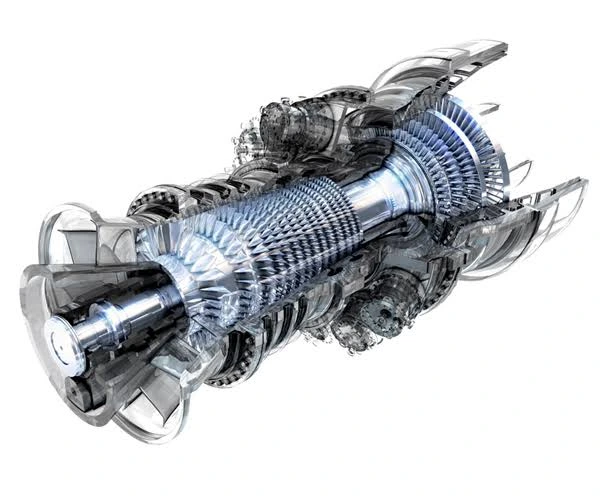
Gas turbines are the mechanical backbone of a significant share of the United States’ electricity generation infrastructure, and Siemens turbine platforms — including the SGT-800, SGT6-5000F, SGT6-2000E, and SGT-750 series — remain among the most widely deployed units in combined-cycle and simple-cycle plants across the country. For plant operators, EPC contractors, and maintenance teams, sourcing dependable OEM-grade turbine components is not a matter of convenience; it is a matter of operational continuity, safety compliance, and long-term asset performance. This article provides a factual, technical overview of these components, their specifications, and their relevance to U.S.-based procurement and maintenance operations.
Why These Components Matter for Domestic Power Infrastructure
The U.S. power sector operates under strict reliability mandates from NERC and regional ISOs, meaning unplanned outages carry substantial financial and regulatory consequences. Sourcing Siemens Gas Turbine Parts USA locally or through USA-focused distribution channels reduces lead times, simplifies customs and import logistics, and ensures compatibility with domestic maintenance schedules. Plants operating in Texas, the Gulf Coast, the Midwest, and the Northeast frequently require rapid part replacement during scheduled outages or forced shutdowns, making regional part availability a critical procurement factor rather than a secondary consideration.
Additionally, many U.S. facilities are subject to environmental and emissions compliance frameworks that depend on turbine components performing within calibrated tolerances. Components sourced through verified supply chains help plants maintain documented compliance records, which are frequently audited by both internal quality teams and external regulators.
Core Product Categories
Siemens gas turbine component families generally fall into several functional categories, each engineered to withstand specific thermal, mechanical, or aerodynamic loads within the turbine’s hot gas path or auxiliary systems.
Hot Gas Path Components
- Turbine blades and vanes — Manufactured from nickel-based superalloys (commonly IN738LC, GTD-111, or CM247LC), these components are designed to withstand operating temperatures exceeding 1,000°C. Many incorporate internal cooling channels and thermal barrier coatings (TBCs) to extend service life under sustained thermal cycling.
- Combustion liners and transition pieces — These direct and contain the combustion process, requiring high-temperature oxidation resistance and dimensional stability under repeated thermal expansion and contraction cycles.
- Nozzles and shrouds — Positioned adjacent to rotating blades, these parts maintain airflow efficiency and require tight clearance tolerances, typically measured in fractions of a millimeter.
Rotor and Casing Components
- Rotor discs and shafts — Forged from high-strength alloy steels, these components undergo rigorous non-destructive testing (ultrasonic and magnetic particle inspection) to detect subsurface defects before deployment.
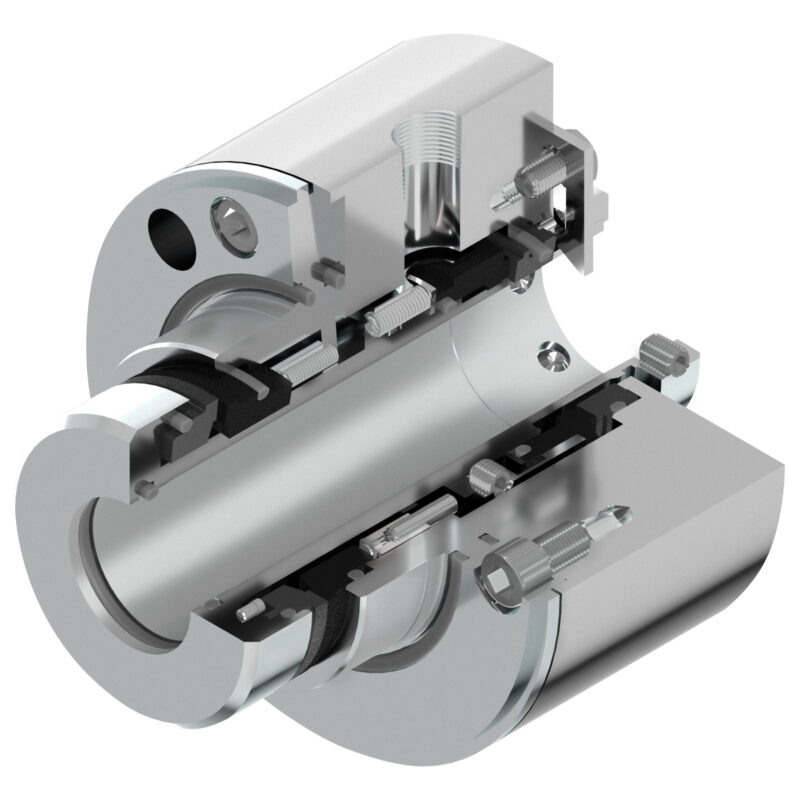
- Bearings and seals — Labyrinth seals, brush seals, and thrust bearings maintain rotor stability and minimize parasitic air leakage, directly affecting turbine efficiency.
Auxiliary and Control System Parts
- Fuel nozzles and igniters — Precision-machined to control fuel-air mixture ratios, critical for both combustion efficiency and NOx emissions control.
- Sensors and instrumentation — Temperature, vibration, and pressure sensors that feed data to the turbine’s control system for real-time performance monitoring.
Technical Specifications and Manufacturing Standards
Genuine and OEM-equivalent turbine components sourced for U.S. facilities are manufactured to specifications that align with Siemens Energy’s engineering documentation, including material certifications (ASTM, ASME, and AMS standards where applicable), dimensional tolerances typically within ±0.05 mm for precision-fit components, and surface finish requirements specified in Ra (roughness average) values appropriate to each part’s function.
Hot gas path components frequently require third-party material certification, including chemical composition analysis and mechanical property testing (tensile strength, creep resistance, and fatigue life data). Rotor components undergo balancing verification to ISO 21940 standards, ensuring vibration levels remain within acceptable operational thresholds. Coating systems applied to blades and vanes — typically MCrAlY bond coats with ceramic top coats — are evaluated for thickness consistency and adhesion strength using standardized pull-test and cross-sectional analysis methods.
Buyers evaluating suppliers should request documentation including certificates of conformance, material traceability records, and, where applicable, non-destructive testing reports specific to the part lot or serial number.
Reliability and Precision Considerations
Reliability in gas turbine components is measured primarily through service life prediction, failure mode consistency, and dimensional repeatability across production batches. For rotating components in particular, precision manufacturing directly correlates with reduced vibration, lower bearing wear, and extended maintenance intervals.
Precision-machined components — particularly those in the hot gas path — must maintain tight tolerances despite operating in environments with extreme thermal gradients. A blade with even minor dimensional deviation can affect aerodynamic efficiency across an entire turbine stage, leading to measurable heat rate degradation. This is why reputable suppliers of Siemens Gas Turbine Parts USA maintain documented quality management systems, often certified to ISO 9001, alongside industry-specific certifications relevant to power generation equipment manufacturing.
Typical Use Cases
Siemens turbine components are deployed across several U.S. power generation contexts:
- Combined-cycle power plants — Where gas turbines drive both electrical generation and heat recovery steam generators (HRSGs), requiring consistent turbine efficiency to optimize overall plant heat rate.
- Simple-cycle peaking plants — Facilities that respond to grid demand fluctuations, where components must tolerate frequent start-stop cycling and rapid thermal transients.
- Industrial cogeneration facilities — Refineries, chemical plants, and manufacturing sites that use gas turbines for combined heat and power (CHP) applications.
- Scheduled major overhauls (MOs) and hot gas path inspections (HGPIs) — Routine maintenance events where blades, vanes, and combustion components are replaced or refurbished according to OEM-recommended inspection intervals.
Sourcing Considerations for U.S. Buyers
Procurement teams evaluating suppliers of these components should prioritize several factors: verified material and manufacturing documentation, demonstrated experience supplying components compatible with specific Siemens turbine frame types, lead time reliability aligned with outage planning windows, and post-sale technical support for installation or fitment questions. Given the capital-intensive nature of turbine maintenance, working with suppliers who understand U.S. regulatory and logistical requirements — including domestic shipping, customs clearance for internationally sourced parts, and compliance documentation — reduces operational risk during critical maintenance windows.
Conclusion
Gas turbine reliability depends fundamentally on the quality, precision, and traceability of the components installed during maintenance and overhaul cycles. For U.S. power generation operators running Siemens turbine fleets, access to well-documented, precisely manufactured Siemens Gas Turbine Parts USA supports both operational continuity and regulatory compliance. Engineers, technicians, and procurement managers evaluating part suppliers should focus on verifiable technical documentation, manufacturing standards adherence, and logistical reliability rather than price alone, since component performance directly affects plant efficiency, emissions compliance, and long-term maintenance costs.