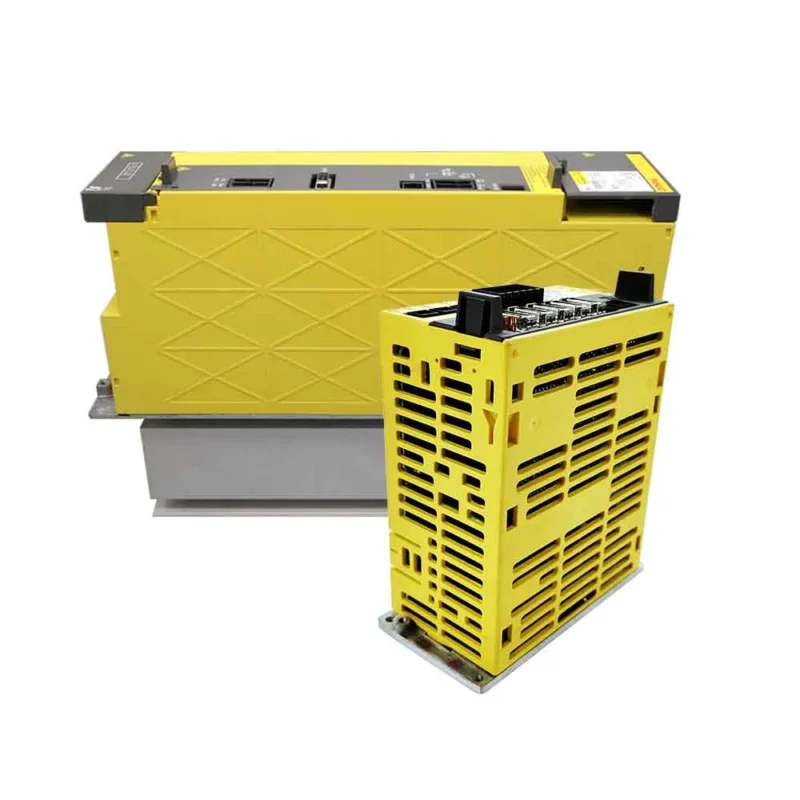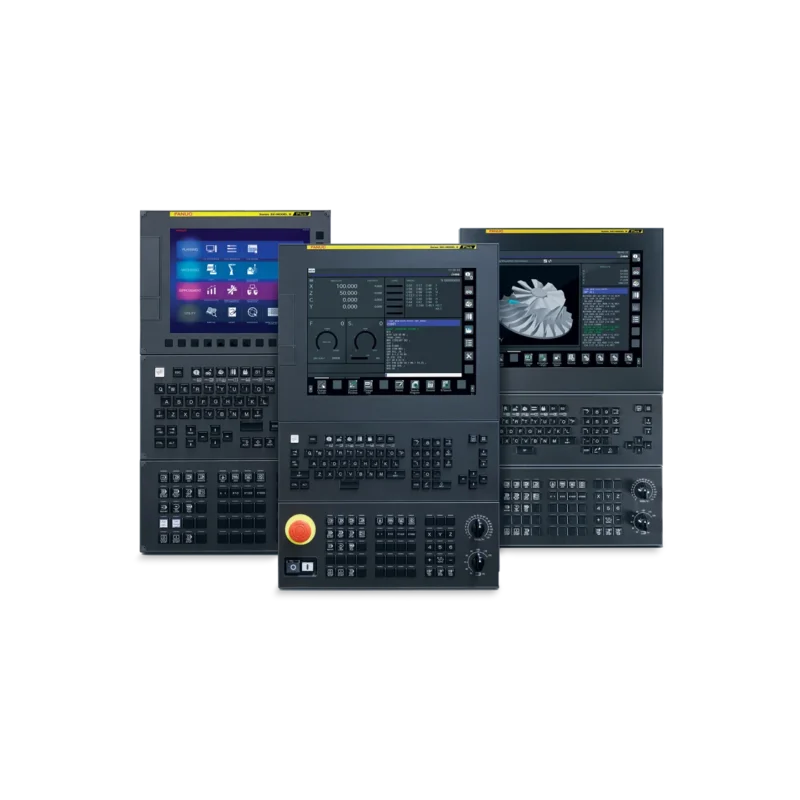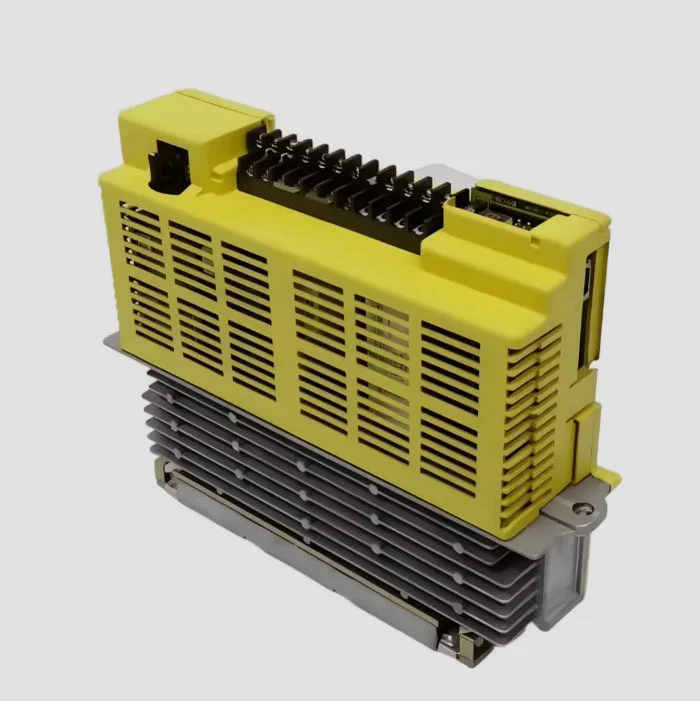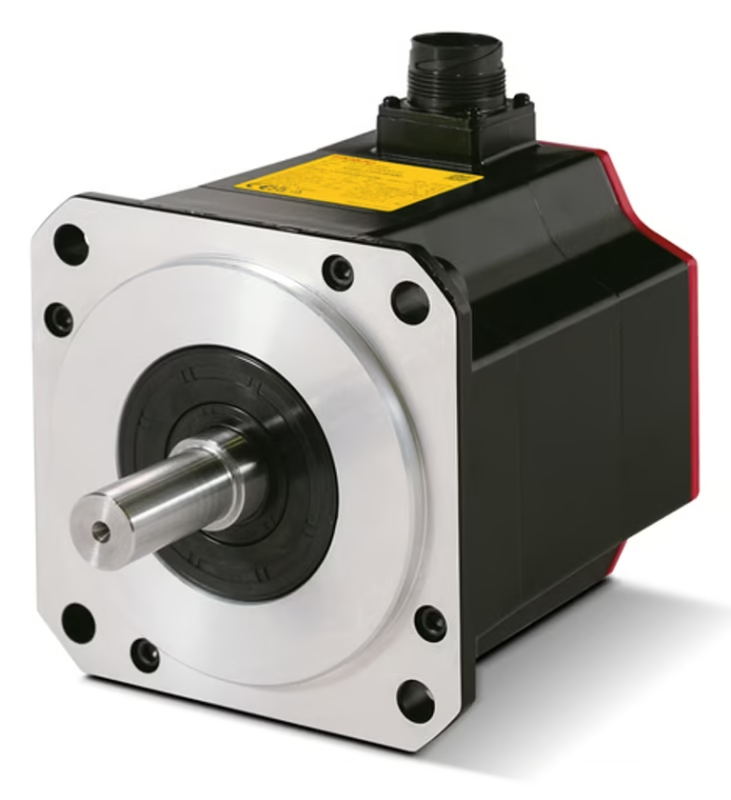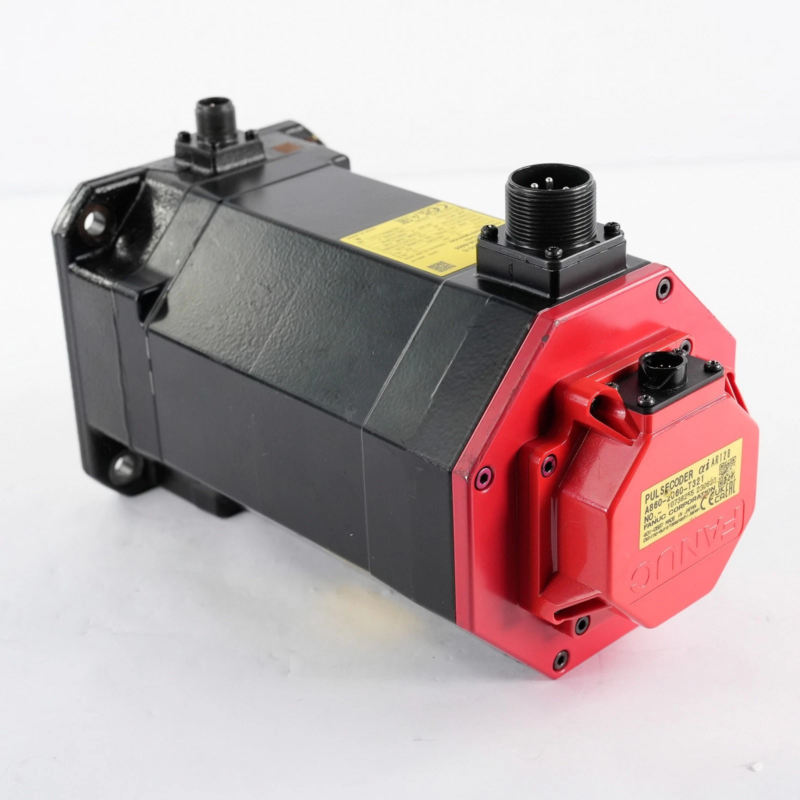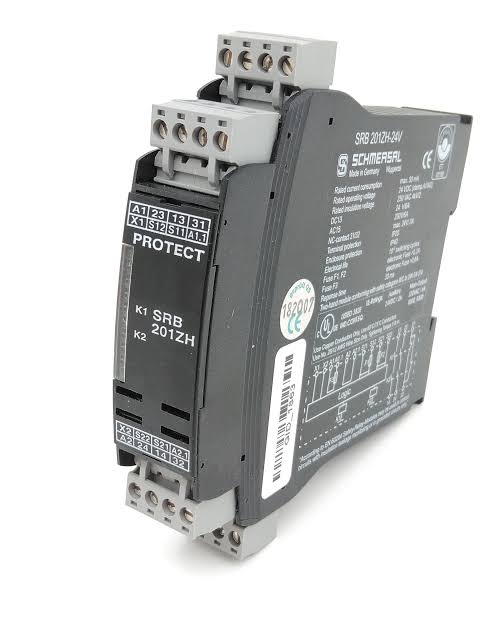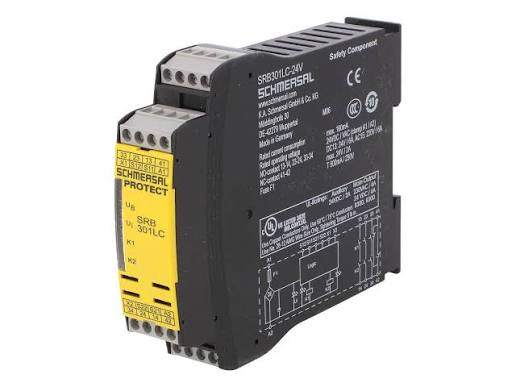

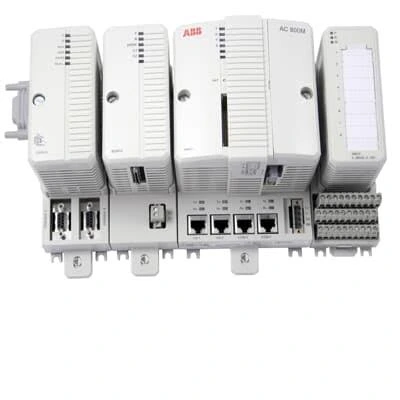
Industrial plants across Germany rely on ABB Distributed Control Systems (DCS) to manage complex process operations in chemicals, power generation, pulp and paper, oil and gas, and pharmaceutical manufacturing. When a control module, I/O card, or processor board fails, production downtime becomes costly within hours. This is why sourcing dependable ABB DCS Spare Parts Germany solutions has become a priority for maintenance engineers, automation technicians, and procurement managers who need components that match OEM specifications without long lead times.
This article provides a factual overview of ABB DCS spare parts, their technical characteristics, typical applications, and the specific considerations that apply when sourcing them for facilities operating in Germany.
Understanding ABB DCS Systems
ABB’s Distributed Control System platforms, including the Symphony Plus, Freelance 800F, and legacy Advant/MOD 300 series, are widely deployed across German industrial sectors. These systems coordinate process control, safety interlocks, and data acquisition through a network of controllers, I/O modules, communication interfaces, and human-machine interface (HMI) stations. Because these systems are engineered for continuous, 24/7 operation, component wear, thermal stress, and eventual hardware obsolescence are expected over a multi-decade service life.
Spare parts for these systems fall into several categories:
- Controller and processor modules – the central processing units that execute control logic
- I/O modules – analog and digital input/output cards that interface with field instrumentation
- Communication modules – network interface cards for Ethernet, Modbus, Profibus, and proprietary ABB bus protocols
- Power supply units – redundant DC power modules that maintain system uptime
- Termination units and cabling assemblies – field wiring interfaces between the DCS and plant instrumentation
- HMI and operator station hardware – display and workstation components for process visualization
Technical Specifications
ABB DCS components are built to defined industrial standards, and understanding their specifications helps buyers verify compatibility before procurement.
Operating Environment: Most modules are rated for operating temperatures between 0°C and 60°C, with humidity tolerance up to 95% non-condensing, allowing deployment in unconditioned process areas as well as climate-controlled control rooms.
Power Requirements: Controller and I/O modules typically operate on 24V DC nominal supply, with power consumption ranging from a few watts for simple digital I/O cards to over 20W for processor-intensive controller modules.
Communication Protocols: Depending on generation, modules support Ethernet TCP/IP, Profibus DP/PA, Modbus RTU/TCP, HART, and ABB’s proprietary Control Network (CNET) or System 800xA infrastructure.
Redundancy: Critical modules, including controllers and power supplies, are commonly configured in hot-standby redundant pairs, enabling bumpless failover in the event of a single component fault.
Signal Types: Analog I/O cards handle standard 4–20mA, 0–10V, and thermocouple/RTD inputs, while digital I/O cards manage 24V DC and relay-level contacts.
Mounting and Form Factor: Modules are designed for DIN rail or rack-mount installation within standardized cabinets, with hot-swappable designs on many newer product lines to minimize maintenance downtime.
Because ABB has continuously evolved its DCS architecture since the 1980s, part numbers and compatibility must be verified against the specific system generation installed at a given facility. A reputable supplier of ABB DCS Spare Parts Germany inventory will cross-reference part numbers, firmware revisions, and hardware compatibility before shipment to avoid integration issues.
Reliability and Precision
Reliability is the defining requirement for DCS hardware, since these systems govern safety-critical and production-critical processes. ABB designs its DCS modules with mean time between failures (MTBF) ratings typically exceeding 100,000 hours for controller hardware, achieved through conformal coating, industrial-grade components, and rigorous factory testing.
Precision is equally important. Analog I/O modules are manufactured to tight tolerance specifications, often within 0.1% to 0.25% of full-scale accuracy, ensuring that process measurements such as pressure, flow, temperature, and level remain within the narrow margins required for regulatory compliance and product quality, particularly in pharmaceutical and chemical processing environments common across Germany’s Rhine-Main and Ruhr industrial regions.
For replacement parts sourced from the secondary or refurbished market, reliability depends heavily on testing procedures. Reputable suppliers perform functional testing, burn-in cycles, and calibration verification before parts are released for shipment, replicating the quality assurance standards expected in original ABB manufacturing.
Typical Use Cases
ABB DCS spare parts are deployed across a broad range of industrial applications throughout Germany and neighboring European markets:
- Chemical and petrochemical plants requiring continuous process control with SIL-rated safety functions
- Power generation facilities, including combined-cycle and district heating plants, where DCS platforms manage turbine and boiler control loops
- Pulp and paper manufacturing, where precise control of drying, pressing, and coating processes depends on stable I/O performance
- Water and wastewater treatment, where DCS systems coordinate pumping, filtration, and chemical dosing
- Pharmaceutical and food processing, where batch control accuracy and traceability are regulatory requirements
- Metals and mining processing, where harsh environmental conditions demand ruggedized module reliability
In each of these sectors, unplanned downtime caused by a failed DCS module can halt production lines, trigger safety shutdowns, or compromise batch quality, making rapid access to verified spare parts an operational necessity rather than a convenience.
Why Germany-Specific Sourcing Matters
Germany’s industrial base includes thousands of facilities running ABB automation systems that were installed over multiple decades, meaning many plants operate legacy hardware that is no longer in active production by the OEM. This creates specific regional demand for ABB DCS Spare Parts Germany sourcing that addresses several practical needs:
Reduced Lead Times: Sourcing from suppliers with regional stock or EU-based logistics reduces shipping delays compared to sourcing directly from overseas distribution centers, which matters significantly during unplanned outages.
Regulatory and Documentation Compliance: German industrial operators, particularly in regulated sectors, require full documentation, certificates of conformity, and traceability for replacement components, which regional suppliers are better positioned to provide promptly.
Language and Technical Support: Direct communication with technical support teams familiar with German plant standards, safety codes (such as those referencing VDE and DIN/IEC standards), and local engineering practices streamlines the procurement and integration process.
Legacy System Support: Many German facilities continue operating Advant OCS and early Symphony Plus hardware. Regional suppliers with deep inventories of discontinued and hard-to-find modules provide continuity for plants that are not yet ready for a full DCS migration.
For procurement managers, working with a supplier that maintains verified stock of ABB DCS Spare Parts components means shorter downtime windows, clearer compatibility guidance, and more predictable maintenance budgeting.
Sourcing Considerations for Procurement Teams
When evaluating a supplier for DCS replacement components, engineers and procurement teams should confirm the following:
- Verification of exact part numbers and firmware/hardware revision compatibility
- Functional testing and calibration records for used or refurbished units
- Warranty terms covering the replacement component
- Availability of technical support for installation and commissioning
- Logistics capability for expedited shipping in emergency downtime scenarios
- Documentation packages suitable for internal quality and audit requirements
Conclusion
ABB Distributed Control Systems remain foundational to process automation across German industry, and maintaining access to reliable replacement hardware is essential for minimizing downtime and preserving process precision. Understanding the technical specifications, reliability characteristics, and application contexts of these components allows engineering and procurement teams to make informed sourcing decisions. For facilities seeking dependable ABB DCS Spare Parts Germany availability, prioritizing suppliers who combine verified testing procedures, regional logistics, and technical documentation will support long-term operational continuity across chemical, power, water treatment, and manufacturing environments throughout the country.