
Introduction
Industrial automation systems depend on the continuous availability of control hardware to keep production lines, power plants, water treatment facilities, and manufacturing operations running without interruption. A reliable PLC DCS SCADA Spare Parts Supplier plays a critical role in this ecosystem by supplying genuine and compatible components for Programmable Logic Controllers (PLCs), Distributed Control Systems (DCS), and Supervisory Control and Data Acquisition (SCADA) systems. This article provides a technical overview of what such a supplier offers, the specifications buyers should evaluate, and the industries that depend on these parts across the globe.
What Is a PLC DCS SCADA?
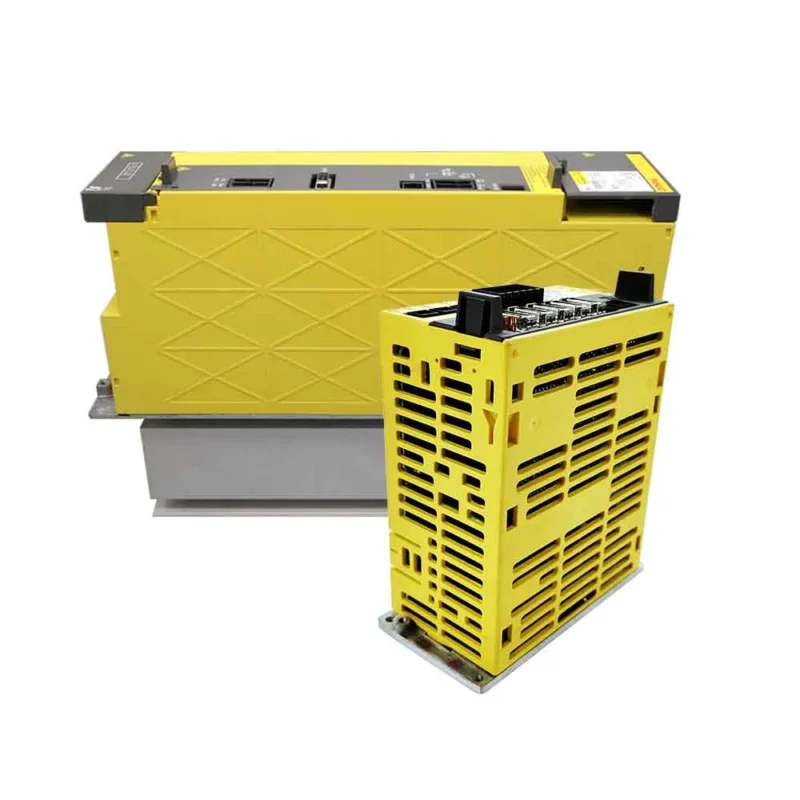
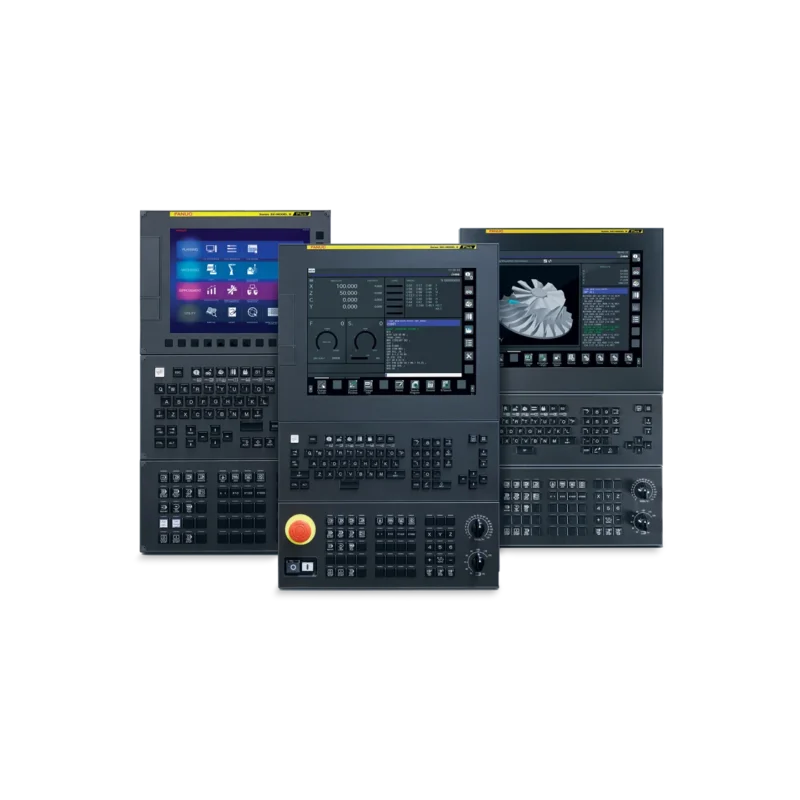
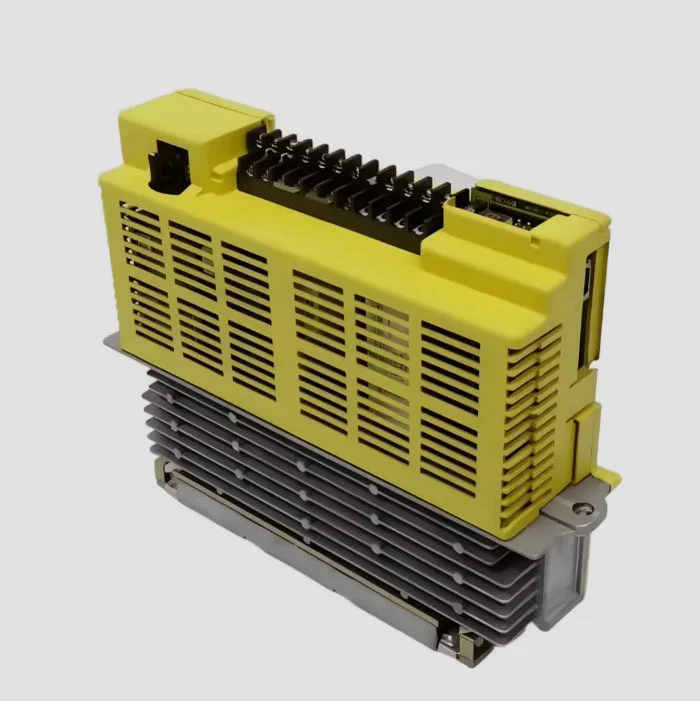
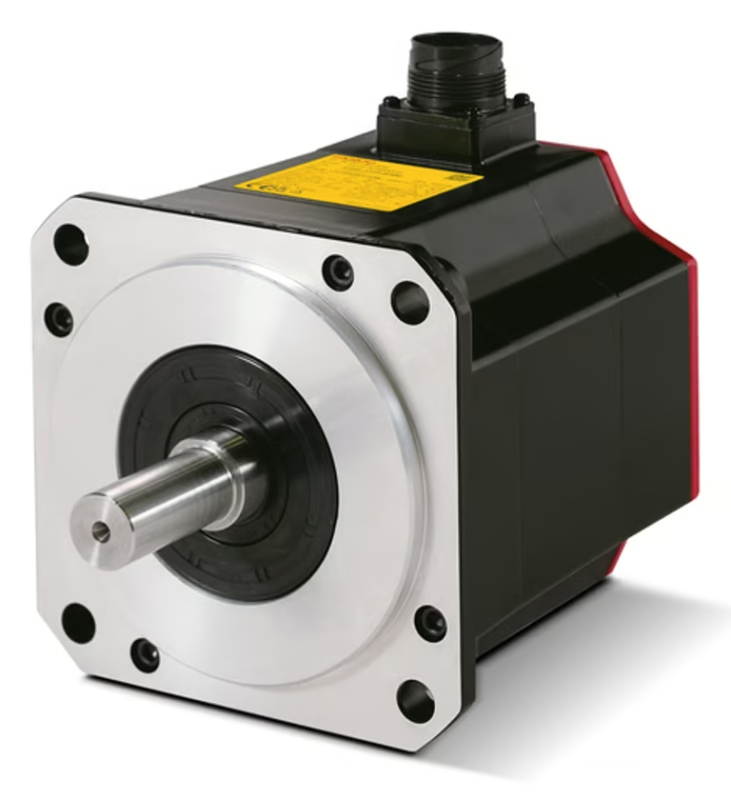
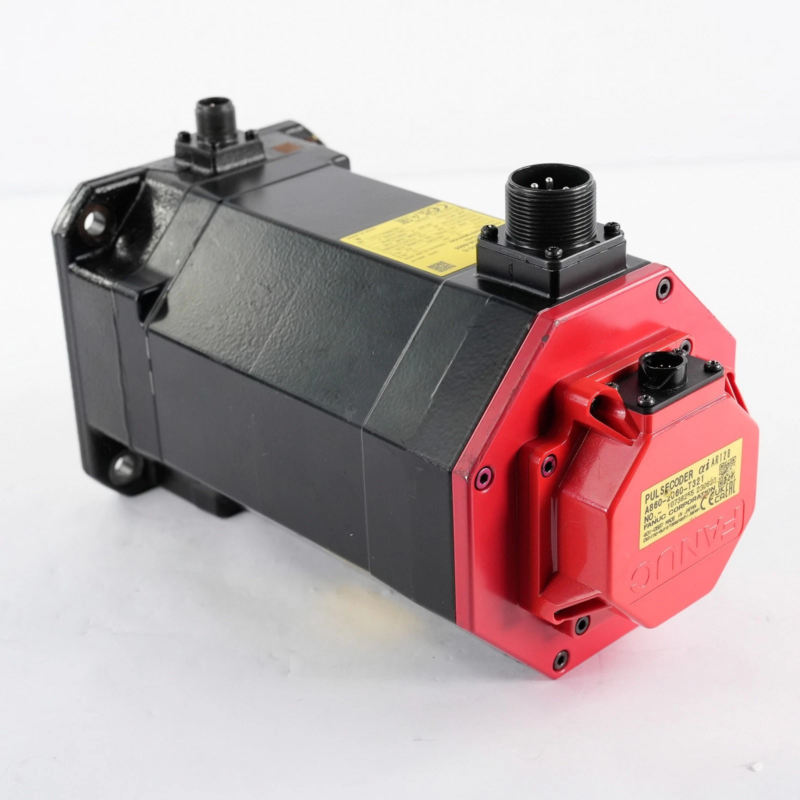
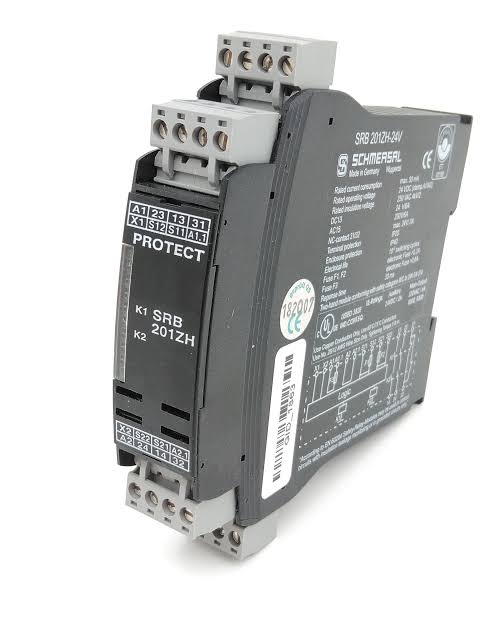
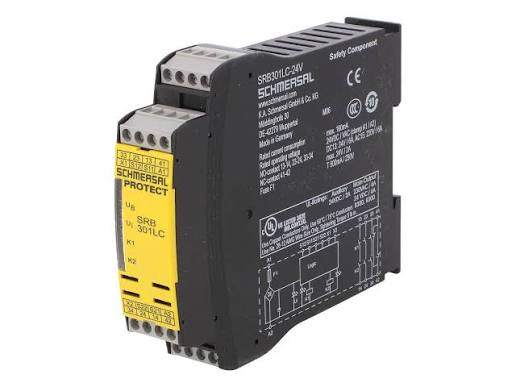
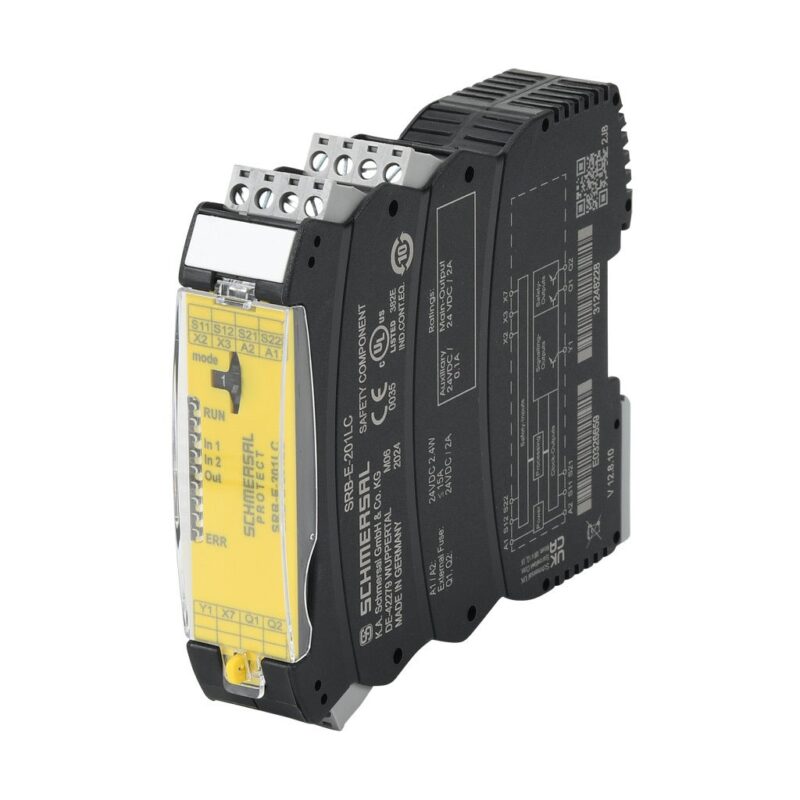
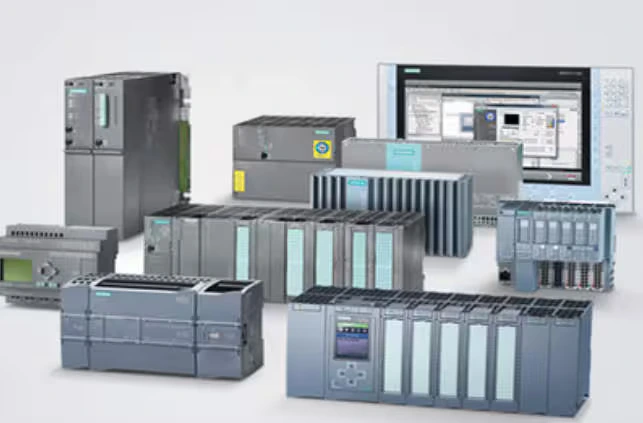
A PLC DCS SCADA is a specialized distributor that stocks and sources components for automation and process control systems. These components include central processing modules, input/output (I/O) cards, communication modules, power supplies, human-machine interface (HMI) panels, network switches, and redundancy modules used across major automation platforms. Rather than manufacturing new equipment, most suppliers in this category source legacy, discontinued, and current-generation parts from OEM channels, authorized distributors, and verified surplus inventories, allowing plant operators to maintain systems that may otherwise be difficult to service due to obsolescence.
Technical Specifications Buyers Should Evaluate
When sourcing components, procurement managers and engineers typically assess the following technical parameters:
- Processor and Memory Architecture: CPU clock speed, RAM/ROM capacity, and scan cycle time, which determine how quickly the controller executes logic.
- I/O Density and Signal Type: Digital and analog input/output counts, voltage ranges (commonly 24V DC, 110V AC, or 220V AC), and current ratings.
- Communication Protocols: Support for Modbus, Profibus, Profinet, Ethernet/IP, DeviceNet, HART, and OPC-UA, which govern interoperability between field devices and control rooms.
- Environmental Ratings: Operating temperature range (typically -20°C to 60°C), humidity tolerance, IP/NEMA enclosure ratings, and resistance to vibration or electromagnetic interference.
- Power Requirements: Input voltage tolerance, power consumption, and redundancy configuration for uninterrupted operation.
- Certification Standards: Compliance with IEC 61131, UL, CE, ATEX, and other regional safety and hazardous-area certifications.
Buyers should request datasheets and, where possible, verify serial numbers and firmware compatibility before purchase to ensure the part matches the exact system revision in use.
Reliability and Precision
Reliability is the primary factor driving purchasing decisions in this sector. Automation components are expected to operate continuously for years, often in harsh environments involving heat, dust, chemical exposure, or electrical noise. A dependable PLC DCS SCADA Spare Parts Supplier typically tests incoming inventory for functional integrity, checks for corrosion or physical damage, and verifies firmware versions before shipment. Precision matters equally: control modules must execute logic within strict timing tolerances, and analog I/O cards must maintain signal accuracy within specified error margins (often ±0.1% to ±0.5% of full scale) to avoid process deviations. Suppliers who provide calibration certificates, burn-in testing records, or warranty documentation give buyers greater confidence that replacement parts will perform to the same standard as the original equipment.
Typical Use Cases
Spare parts sourced through a PLC DCS SCADA are used across a wide range of operational scenarios, including:
- Unplanned Downtime Recovery: Replacing a failed I/O card or power supply to restore production quickly.
- Preventive Maintenance Stocking: Keeping critical spares on hand for aging systems where lead times from original manufacturers may be long.
- System Expansion: Adding I/O capacity or communication modules to existing racks without a full system overhaul.
- Legacy System Support: Sourcing discontinued components for control systems that remain in service well beyond their original support lifecycle.
- Redundancy and Failover Configuration: Supplying backup modules for systems requiring high availability, such as continuous chemical processes or power generation.
Worldwide Applicability Across Industries
Automation hardware standards are largely consistent across regions, which is why a PLC DCS SCADA serves a genuinely global customer base. Industries relying on these components include oil and gas extraction and refining, power generation and utilities, water and wastewater treatment, pulp and paper manufacturing, chemical and petrochemical processing, food and beverage production, mining and metals, pharmaceuticals, and automotive assembly. Because control systems from major manufacturers are deployed on every continent, facilities in North America, Europe, the Middle East, Asia-Pacific, and Africa often use identical or closely related hardware platforms. This global standardization means a single supplier network can support multinational plant operators, engineering, procurement, and construction (EPC) firms, and independent maintenance contractors regardless of geographic location, provided the supplier maintains export compliance, international shipping capability, and multilingual technical support.
Selecting a Dependable Supplier
When evaluating a PLC DCS SCADA Spare Parts Supplier, technical and procurement teams should consider inventory breadth across major automation brands, part traceability and testing procedures, warranty terms, response time for urgent orders, and the ability to source both current and obsolete components. Suppliers offering technical documentation, cross-reference support for equivalent part numbers, and clear return policies reduce risk for buyers managing critical infrastructure.
Conclusion
For engineers, technicians, and procurement managers responsible for maintaining automation systems, working with an established PLC DCS SCADA Spare Parts Supplier is a practical necessity rather than a convenience. From verifying technical specifications and signal compatibility to ensuring reliable, precisely tested components, the right supplier reduces downtime risk and extends the operational life of control systems used across industries worldwide. As industrial facilities continue to rely on both current and legacy automation platforms, the demand for accurate, well-documented, and globally accessible spare parts sourcing will remain a core requirement of industrial maintenance strategy.