

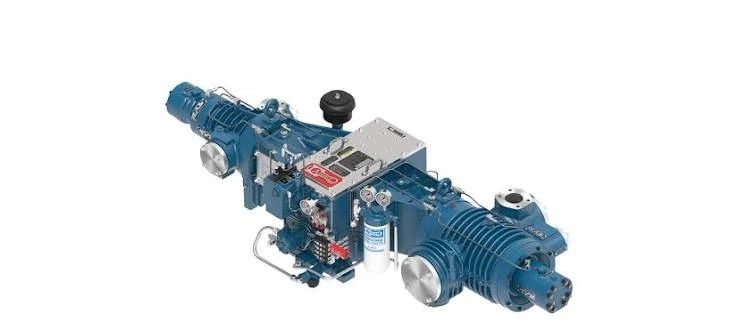
Reciprocating gas compressors are central to hydrocarbon processing, gathering, and injection operations across the Middle East, and the Ariel KBZ frame is one of the most widely deployed platforms in this category. For engineers, technicians, and procurement managers sourcing components for maintenance and overhaul programs, understanding the specifications, function, and sourcing considerations for Ariel KBZ Compressor Parts is essential to keeping compression trains running within design tolerances. This article provides a factual, technical review of the product line and its relevance to buyers operating in the United Arab Emirates.
What the Ariel KBZ Frame Is Used For
The KBZ is a two-throw, single-stage or multi-stage reciprocating compressor frame manufactured by Ariel Corporation, commonly rated for moderate to high horsepower gas compression duties. It is used in gas gathering, gas lift, vapor recovery, CNG, and gas injection services where continuous or intermittent operation is required. Because these frames run in demanding field conditions—variable suction pressures, sour gas, sand-laden streams, and high ambient temperatures—the parts installed in them must meet strict metallurgical and dimensional standards. This is precisely where sourcing verified, dimensionally accurate replacement components becomes a procurement priority rather than a routine purchase.
Core Components Covered Under This Product Category
A typical KBZ parts inventory includes the following component groups:
- Piston assemblies – forged or cast pistons matched to bore diameter and stroke length, often supplied with wear bands and rider rings.
- Piston rings and rider rings – manufactured from PEEK, bronze-filled PTFE, or filled nylon depending on gas composition and temperature.
- Packing cases and packing rings – sealing elements that prevent gas leakage along the piston rod, typically arranged in multi-ring cup configurations.
- Piston rods – precision-ground rods, commonly nitrided or chrome-plated for surface hardness and corrosion resistance.
- Valve assemblies – suction and discharge valves, including valve plates, springs, and seats, engineered for specific lift and flow characteristics.
- Cylinder liners and heads – replaceable liners that restore bore tolerances after wear, along with cylinder head gaskets and studs.
- Crosshead components – crosshead pins, shoes, and bushings that transfer motion from the connecting rod to the piston rod.
- Gaskets and seal kits – full sets used during scheduled overhauls to restore sealing integrity across the frame and cylinders.
Technical Specifications and Engineering Tolerances
Component specifications for the KBZ frame are governed by the original Ariel design tolerances, and reputable suppliers manufacture or source replacement components to match these figures precisely:
| Parameter | Typical Range |
| Bore diameters | 4.0 in to 12.25 in, depending on cylinder size |
| Stroke length | 5.0 in (127 mm) |
| Rod load capacity | Up to 140,000 lbs, model-dependent |
| Piston ring material | PEEK, filled PTFE, bronze-filled composites |
| Rod material | AISI 4140/4340 alloy steel, nitrided or hard-chrome finish |
| Valve type | Plate valves, poppet valves (model-specific) |
| Operating speed | 900–1,200 RPM typical range |
| Discharge pressure range | Up to 2,500 psig, application-dependent |
Dimensional accuracy is verified through CMM (coordinate measuring machine) inspection, material certification (mill test certificates), and, where applicable, non-destructive testing such as dye penetrant or ultrasonic testing on rods and pins. This documentation trail is what distinguishes engineered replacement parts from generic aftermarket substitutes.
Reliability and Precision Considerations
Reliability in reciprocating compressor service is a function of both design fidelity and manufacturing precision. Deviations of even a few thousandths of an inch in ring gap, rod runout, or valve lift can accelerate wear, cause excessive vibration, or lead to premature packing failure. For this reason, buyers evaluating replacement components for KBZ frames should request the following from any supplier:
- Material certifications traceable to heat number.
- Dimensional inspection reports referencing OEM tolerance bands.
- Surface hardness and coating thickness data for rods and liners.
- Balanced piston assembly weights where dynamic balancing is specified.
- Packaging and corrosion protection suitable for long transit and storage, particularly relevant for shipments into humid coastal environments.
Consistent adherence to these criteria reduces unplanned downtime, which is the primary cost driver in compression-dependent gas processing facilities.
Typical Use Cases in Gas Processing and Field Operations
KBZ-frame compressors and their associated parts are commonly found in:
- Gas gathering stations, where wellhead gas is compressed for pipeline transport.
- Gas lift systems, supporting artificial lift in mature oil fields.
- Vapor recovery units, capturing flash gas from storage tanks to reduce emissions.
- Gas injection projects, where compression supports reservoir pressure maintenance.
- CNG fueling and distribution, requiring high-pressure, high-reliability compression.
Each application places different demands on valve response, ring material selection, and packing configuration, which is why parts should be specified against actual operating conditions rather than by frame model alone.
Relevance to Compressor Operations in the UAE
The United Arab Emirates hosts a concentrated base of upstream, midstream, and gas processing infrastructure, including onshore and offshore gas gathering networks, gas injection schemes, and industrial gas users in Abu Dhabi, Dubai, and the Northern Emirates. Reciprocating compressors operating in this environment face specific conditions: high ambient temperatures, elevated humidity near coastal facilities, and gas streams that may contain H2S or CO2 in sour service fields. These conditions place additional demands on component selection—particularly elastomer and packing material compatibility, corrosion-resistant rod coatings, and ring materials rated for higher operating temperatures.
Sourcing Ariel KBZ Compressor Parts locally or through a supplier with regional stocking in the UAE offers practical advantages: reduced lead time for urgent maintenance turnarounds, easier compliance with local import and customs documentation, and access to technical support familiar with Gulf-region operating conditions. For procurement teams managing turnaround schedules at gas plants or gathering stations, having a verified regional source for these components directly supports plant availability targets and reduces the risk of extended outages caused by parts logistics delays.
Selecting a Supplier for KBZ Compressor Parts
When evaluating suppliers, procurement managers should assess:
- Whether parts are manufactured to OEM drawings or reverse-engineered from samples.
- Availability of technical documentation (material certs, dimensional reports, test data).
- Regional inventory holding and typical lead times for the UAE market.
- Track record supplying gas processing, oil field services, or industrial compression operators in the region.
- After-sales technical support for installation and troubleshooting queries.
These criteria help ensure that replacement components integrate correctly with existing compressor trains and meet the performance expectations set by the original equipment design.
Frequently Asked Questions
What compressor models use the KBZ frame designation?
The KBZ designation refers to a specific Ariel two-throw frame size within the broader Ariel product range. It is selected based on required horsepower, rod load, and application, and is commonly paired with various cylinder sizes depending on suction and discharge pressure requirements.
How often should packing and piston rings be replaced?
Replacement intervals depend on gas composition, operating hours, and running clearances, but many operators schedule inspection or replacement during planned turnarounds, commonly every 8,000 to 16,000 operating hours, with adjustments based on condition monitoring data such as vibration and rod drop readings.
Are aftermarket parts compatible with original Ariel KBZ frames?
Aftermarket components can be compatible if manufactured to the same dimensional tolerances and material specifications as OEM parts. Buyers should request certification and inspection documentation to confirm compatibility before installation.
Why does sourcing location matter for compressor parts in the UAE?
Regional sourcing reduces lead times for urgent repairs, simplifies customs and import processes, and often provides access to technical support familiar with local operating conditions such as ambient temperature and gas composition variations common in Gulf region fields.
What documentation should accompany a parts order?
A complete order should include material test certificates, dimensional inspection reports, and, where relevant, non-destructive testing results for critical components such as piston rods and crosshead pins.
Summary
Reciprocating compressors built on the Ariel KBZ frame remain a core asset in gas gathering, lift, and processing operations across the UAE and the wider Gulf region. Selecting well-documented, dimensionally verified Ariel KBZ Compressor Parts supports reliable operation, reduces unplanned downtime, and helps maintenance teams meet turnaround schedules. Procurement decisions should be based on technical documentation, material traceability, and supplier familiarity with regional operating conditions rather than price alone, ensuring that replacement components perform as intended over the compressor’s service life.